EN
EN

Table of Contents
- Understanding Submandibular Glands
- Why Is Submandibular Gland Removal Necessary?
- Diagnosis and Evaluation Before Surgery
- What Happens During Submandibular Gland Removal Surgery?
- Recovery Timeline After Surgery
- Managing Potential Side Effects and Complications
- What Should You Know About Scars After Surgery?
- FAQs About Submandibular Gland Removal
Submandibular gland removal surgery (submandibulectomy) is a procedure to remove the salivary gland beneath the jaw when stones, chronic infection, or a tumor make the gland problematic. This guide walks you through when the operation is genuinely needed, how it is diagnosed and performed, what recovery realistically looks like, and how the scar and any side effects are managed.
Understanding Submandibular Glands
The submandibular gland is one of the body’s three major salivary glands, playing a crucial role in maintaining oral health and supporting the digestive process. Located beneath the jawline, these glands contribute approximately 70% of your total saliva production, making them essential components of your oral health system.
Size and Location of the Submandibular Gland
The submandibular gland is typically:
- About the size of a walnut (approximately 7-15 grams in adults)
- Positioned beneath the lower jaw (mandible) on both sides of the neck
- Located in close proximity to important structures including the hypoglossal nerve and facial arteries
This strategic positioning helps the gland fulfill its role in saliva production, but also means that surgical procedures require precision to avoid damage to surrounding structures.
The Salivary Gland System
Your body has three pairs of major salivary glands that work together as an integrated system:
- Parotid Glands: The largest salivary glands near your ears, producing about 25% of your saliva.
- Submandibular Glands: Located under your jaw, producing approximately 70% of your saliva.
- Sublingual Glands: The smallest major salivary glands, found beneath your tongue and contributing about 5% of your saliva.
Each of these glands produces a unique mixture of secretions that collectively:
- Break down food during the initial stages of digestion
- Maintain oral hygiene by washing away bacteria and food particles
- Facilitate swallowing by moistening food
- Defend against pathogens with specialized enzymes and antibodies
When one component of this system experiences problems, it can affect your overall oral health and quality of life.
Why Is Submandibular Gland Removal Necessary?
Not every lump or swelling under the jaw calls for an operation. According to the medical literature, submandibular gland removal surgery is usually reserved for a few clear situations where the gland itself has become the source of the problem:
- Chronic salivary stones (sialolithiasis): Hardened mineral deposits that repeatedly block the duct and cause painful, recurring swelling, especially around meals.
- Chronic gland infection or inflammation (chronic sialadenitis): A gland that becomes inflamed again and again, often after repeated blockages, and no longer settles with conservative treatment.
- Salivary gland tumors: Any growth within the gland that needs to be removed for diagnosis or treatment.
One important point that surgical textbooks emphasize is that the submandibular gland behaves differently from the parotid gland near the ear. When a tumor involves the submandibular gland, the standard approach is generally to remove the entire gland rather than just part of it, because this offers the definitive treatment. Your surgeon confirms this on a case-by-case basis, and assessing whether surgery is needed always begins with a proper specialist evaluation.
It is also worth separating two things that are often confused. Disease-driven submandibular gland removal surgery (excision) treats a medical condition such as stones, infection, or a tumor. Cosmetic salivary gland treatment to refine a heavy jawline is a separate, elective option with its own indications. Knowing which category you fall into is the first step toward the right plan.
Diagnosis and Evaluation Before Surgery
Before proceeding with submandibular gland removal surgery, thorough diagnostic evaluation is essential to confirm the necessity of the procedure and plan the surgical approach. A careful work-up ensures that submandibular gland removal surgery is genuinely the right treatment for your condition, rather than something that could be managed with a less invasive option.
Comprehensive Diagnostic Process
- Medical History Review: Your surgeon will conduct a detailed assessment of your:
- Previous salivary gland issues
- Existing medical conditions
- Current medications
- Allergies
- Prior surgical procedures
- Physical Examination: A thorough examination of the head and neck region, with special attention to:
- Size and texture of the submandibular gland
- Presence of masses or stones
- Signs of inflammation or infection
- Saliva flow from the affected gland
What Happens During Submandibular Gland Removal Surgery?
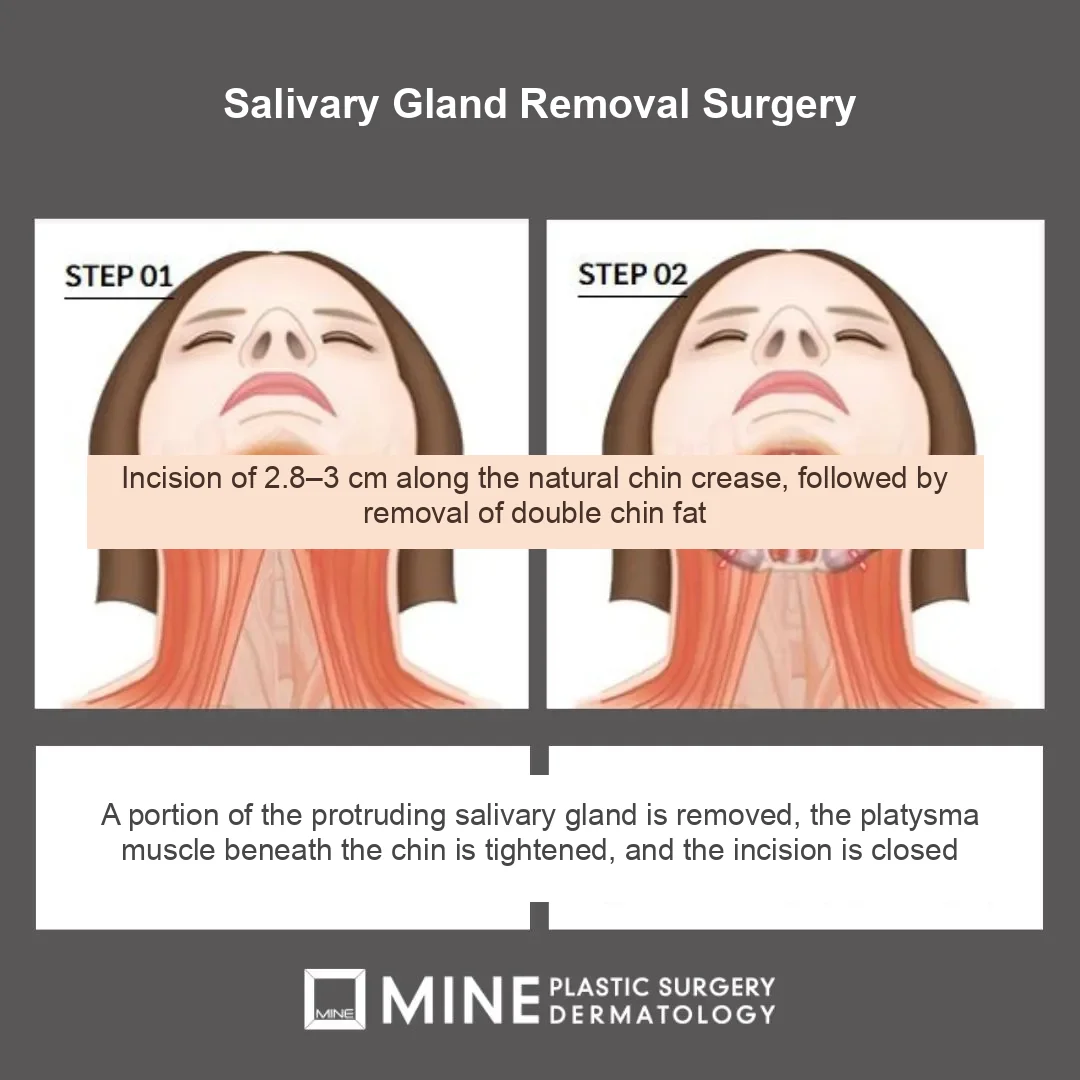
Submandibular gland removal surgery, also known as submandibulectomy, is a precise procedure performed by experienced head and neck surgeons. Understanding the surgical process helps patients prepare mentally for what to expect.
Surgical Procedure Step by Step
- Anesthesia Administration:
- The procedure is performed under general anesthesia, ensuring you remain comfortable and pain-free throughout the surgery
- An anesthesiologist monitors your vital signs continuously during the operation
- Surgical Approach:
- A carefully placed incision (typically 4-5 cm long) is made in a natural crease beneath the jawline to minimize visible scarring
- The surgeon identifies and preserves important nerves in the area, particularly the marginal mandibular branch of the facial nerve and the lingual nerve
- Facial vessels are identified and carefully managed during the procedure
- Gland Removal:
- The submandibular gland is carefully separated from surrounding tissues
- The surgeon follows the submandibular duct to ensure complete removal
- In cases involving tumors, additional tissue may be removed for comprehensive treatment and examination
- Wound Closure:
- A small drain may be placed temporarily to prevent fluid accumulation
- The incision is closed with layers of sutures to ensure proper healing
- Surgical adhesive or fine sutures are used for the outermost layer to minimize scarring
- Recovery Room Transfer:
- After surgery, you’ll be moved to a recovery area for close monitoring as you awaken from anesthesia
- Medical staff will manage any immediate post-operative concerns
Overall, submandibular gland removal surgery typically takes between 1-2 hours, depending on the complexity of your specific case and any additional procedures that may be necessary.
Recovery Timeline After Surgery

Understanding what to expect during recovery from submandibular gland removal helps patients prepare appropriately and recognize normal healing milestones.
Early Recovery Phase (First Week)
- Swelling and Bruising: Peak swelling occurs within 48-72 hours and gradually subsides
- Diet Modifications: Soft foods are recommended to minimize jaw movement and discomfort
- Wound Care: Keep the incision clean and dry, following specific instructions from your surgeon
- Activity Limitations: Avoid strenuous activities and heavy lifting (nothing over 10 pounds)
Intermediate Recovery (2-4 Weeks)
- Return to Work: Most patients can return to non-strenuous jobs within 1-2 weeks
- Gradual Activity Increase: Progressive return to normal activities as approved by your surgeon
- Scar Management: Begin scar care regimen as directed, which may include silicone sheets or special creams
- Follow-up Appointment: Initial post-operative evaluation to assess healing progress
Long-Term Recovery (1-3 Months)
- Full Activity Resumption: Return to exercise and more demanding physical activities
- Scar Maturation: The surgical scar begins to flatten and fade
- Adaptation: The body adjusts to the reduced salivary flow, with minimal noticeable effects for most patients
- Final Assessment: Comprehensive evaluation to confirm complete recovery and address any remaining concerns
For personalized recovery guidance and expert post-operative care, the team at mineclinic provides continuous support throughout your healing journey.
Expected Recovery Milestones
After submandibular gland removal surgery, most patients can expect:
- Resolution of Significant Pain: 3-7 days
- Return to Work (Non-Physical Jobs): 7-14 days
- Return to Moderate Physical Activities: 2-3 weeks
- Full Recovery: 4-6 weeks
“Most patients return to their normal daily activities within 2-4 weeks after submandibular gland removal surgery, with gradual improvement in swelling and discomfort. Complete healing of the surgical site internally may take up to 3 months, though this process is usually not noticeable to the patient.”
For optimal recovery outcomes, attending all scheduled follow-up appointments and following your surgeon’s specific recommendations is essential. Reviewing detailed post-operative recovery care also helps you know what is normal at each stage. Mineclinic’s surgical team provides comprehensive post-operative support to ensure your recovery progresses smoothly.
Managing Potential Side Effects and Complications
While submandibular gland removal surgery is generally safe, being aware of potential side effects and complications helps patients seek appropriate care if needed.
Common Side Effects
After submandibular gland removal surgery, most patients experience some degree of:
- Swelling and Bruising: Typically peaks within 2-3 days and gradually diminishes over 1-2 weeks
- Pain and Discomfort: Manageable with prescribed medications and typically improves significantly within the first week
- Temporary Numbness: May affect the surgical area due to local nerve manipulation during the procedure
- Altered Sensation: Some patients report changes in sensation around the incision site or lower lip that usually resolve over time
- Mild Dry Mouth: The remaining salivary glands typically compensate for the removed gland, but some patients notice slight dryness initially, which usually eases as those glands adapt.
Potential Complications
Less common but possible complications include:
- Infection: Signs include increased redness, warmth, swelling, and drainage from the incision site
- Hematoma: Collection of blood under the skin requiring possible drainage
- Nerve Injury: Temporary or permanent weakness affecting facial movement or tongue sensation
- Salivary Fistula: Abnormal connection between the surgical site and skin surface causing saliva leakage
- Ranula Formation: Development of a fluid-filled cyst under the tongue or floor of mouth
How Common Are These Complications?
Putting real numbers to these risks can be reassuring. In clinical studies of the traditional approach to submandibular gland removal surgery — removing the gland through a small incision in the neck — most complications are uncommon and manageable. Reported ranges include a hematoma (a pocket of blood under the skin) in roughly 2–10% of cases, wound infection in about 2–9%, and a salivary fistula (a small leak of saliva through the wound) in around 1–3%.
The nerve most often involved is the marginal mandibular branch of the facial nerve — the nerve that lifts the corner of your mouth. Temporary weakness of this nerve has been reported in about 1–10% of patients and usually recovers on its own within a few months; permanent injury is uncommon, reported in roughly 0–8% of cases. In one large surgical series, minor complications occurred in about 10.8% of patients — most often a small saliva-filled cyst (sialocele) or temporary nerve weakness — and every one of them resolved without further surgery within three months, with no patient reporting permanent dry mouth. These figures come from published surgical studies and, of course, vary with each patient’s anatomy and the surgeon’s experience.
Prevention and Management Strategies
To minimize complications and manage side effects:
- Follow Wound Care Instructions: Keep the incision clean and dry as directed
- Take Medications as Prescribed: Complete any antibiotic course and use pain medications appropriately
- Attend Follow-up Appointments: Allow your surgeon to monitor healing and address concerns promptly
- Stay Hydrated: Adequate fluid intake supports healing and helps manage any dry mouth symptoms
- Report Concerning Symptoms: Contact your healthcare provider immediately if you experience:
- Fever above 101°F (38.3°C)
- Excessive bleeding or drainage
- Severe, uncontrolled pain
- Significant swelling beyond what was expected
- Difficulty breathing or swallowing
For comprehensive information about managing recovery after submandibular gland surgery, the specialists at mineclinic provide personalized guidance throughout the healing process.
What Should You Know About Scars After Surgery?
Scarring is an inevitable aspect of any surgical procedure, including submandibular gland removal surgery. However, with proper surgical technique and aftercare, most patients achieve aesthetically pleasing results.
Expected Scar Appearance and Evolution
The surgical scar from submandibular gland removal surgery typically:
- Initial Stage (0-2 weeks): Appears as a thin red line with possible swelling and sutures or adhesive strips
- Early Maturation (2-6 weeks): Becomes slightly raised, firmer, and may appear pink or red
- Intermediate Stage (6 weeks to 3 months): Gradually flattens and begins to fade from red to pink
- Mature Stage (6-12 months): Typically settles into a thin, flat, pale line that is minimally noticeable
Factors Influencing Scar Appearance
Several factors affect how your scar will ultimately look:
- Surgical Technique: Careful incision placement and closure by experienced surgeons minimize scarring
- Individual Healing Characteristics: Some people naturally form more noticeable scars
- Scar Care Compliance: Following recommended aftercare protocols improves outcomes
- Skin Type: Different skin types and tones may develop different scar appearances
- Age: Younger skin often has greater elasticity and healing capacity
Effective Scar Management Strategies
To optimize your scar’s appearance:
- Silicone-Based Products:
- Silicone sheets or gels applied to the healed incision help flatten and fade scars
- Most effective when started after complete wound closure (typically 2-4 weeks post-surgery)
- Should be used consistently for 2-3 months for optimal results
- Sun Protection:
- UV exposure can darken and thicken scars
- Apply SPF 30+ sunscreen to the scar for at least one year after surgery
- Consider physical coverage with clothing when possible
- Scar Massage:
- Gentle massage of the healed scar can break up adhesions and improve appearance
- Begin only after complete wound healing (typically 3-4 weeks post-surgery)
- Use firm but gentle pressure with a moisturizing agent
- Specialized Treatments:
- For suboptimal scarring, treatments like laser therapy or steroid injections may be recommended
- These interventions are typically considered after the scar has fully matured (6-12 months)
- Consult with your surgeon before pursuing any additional scar treatments
The surgical team at mineclinic prioritizes both functional and aesthetic outcomes, employing techniques that minimize visible scarring while ensuring complete removal of the submandibular gland. For more detailed medical information.
FAQs About Submandibular Gland Removal
Here are the questions patients ask most often about submandibular gland removal surgery.
How long does recovery from submandibular gland removal surgery take?
Most patients recover from submandibular gland removal surgery and return to everyday life within 2–4 weeks. Swelling and bruising usually fade over the first 1–2 weeks, while the deeper tissues quietly finish healing over roughly three months. Office work is often possible within 1–2 weeks, with strenuous exercise resumed a little later once your surgeon approves.
Will I get dry mouth after the gland is removed?
Rarely in any lasting way. When one submandibular gland is removed, the remaining salivary glands compensate, so day-to-day life is generally unaffected. In one large surgical series, no patient reported permanent dry mouth. You can read more about functional changes after removal if this is a concern.
How noticeable is the scar after submandibulectomy?
The scar from submandibular gland removal surgery is discreet by design. The incision (usually 4–5 cm) is placed in a natural crease beneath the jawline so it blends in as it heals. Over 6–12 months the scar typically flattens and fades to a thin, pale line. Consistent use of silicone products and sun protection help it settle as discreetly as possible.
What are the risks of nerve injury?
The main nerve near the gland is the marginal mandibular branch (the nerve that lifts the corner of the mouth). Temporary weakness is reported in about 1–10% of patients and usually recovers within a few months. Permanent injury is uncommon, reported in roughly 0–8% of cases, which is why careful surgical technique matters so much.
Do I really need surgery, or are there alternatives?
That depends on the underlying reason. Disease-driven excision for stones, chronic infection, or a tumor should always be judged by a specialist. If your concern is purely a heavier jawline rather than a diseased gland, cosmetic salivary gland treatment is a separate option. A board-certified specialist can tell you which path fits your situation.
If you are weighing submandibular gland removal surgery and want a clear, honest assessment, a consultation with a board-certified specialist is the recommended next step to understand your options, likely recovery, and expected outcome.
Disclaimer: This article is provided for informational purposes by MINE Plastic Surgery & Dermatology and does not replace professional medical advice, diagnosis, or treatment. All surgical and non-surgical procedures carry potential risks including inflammation, bleeding, infection, scarring, and nerve damage. Individual results may vary significantly. A thorough consultation with a board-certified specialist is required before undergoing any procedure.
※ This content is for informational purposes only and does not replace professional medical advice, diagnosis, or treatment. Individual results may vary, and side effects may occur. Please consult with a board-certified plastic surgeon for personalized advice.