EN
EN

Table of contents
- Preparing for Facelift Surgery
- Dietary Restrictions: Foods to Avoid and Foods That Help
- Nutrition and Hydration During Recovery
- Activities to Avoid: Protecting Your Facelift Recovery
- Skincare and Hygiene Precautions
- The Importance of Following Post-Operative Instructions
- When to Seek Medical Attention
- Long-Term Care for Lasting Results
- Emotional Aspects of Recovery
- Frequently Asked Questions: Facelift Recovery
- Conclusion: Your Path to a Refreshed Appearance
Facelift recovery is the critical healing period following facial lifting surgery — typically 2 to 6 weeks — during which your diet, activity level, and skincare routine directly influence both your safety and the longevity of your results. Careful attention to what you eat and do during this time can make a meaningful difference in how smoothly you heal.
To understand why the rules below matter, it helps to know the main early risk. In plastic surgery textbooks, the most common complication after a facelift is a hematoma — a pocket of blood that collects under the skin. That is exactly why anything that thins the blood or raises blood pressure (alcohol, certain supplements, and strenuous activity) is restricted in the first weeks. Smoking and nicotine get a special warning of their own: they narrow blood vessels and cut the oxygen supply to healing skin, which in some cases can slow healing or cause the skin along the incisions to break down. Keeping these simple cause-and-effect links in mind makes the rest of this guide easy to follow.
Proper post-operative care helps you achieve a satisfying outcome, minimize complications, and support a smooth healing process. In this comprehensive guide, we’ll look in detail at the foods and activities you should avoid during your facelift recovery, along with expert recommendations to promote optimal healing and long-lasting results.
Preparing for Facelift Surgery
Understanding the Procedure and Recovery Process
Preparing for facelift surgery is a crucial step in ensuring a smooth and successful recovery. Understanding the procedure and what to expect during the recovery process can help you feel more confident and prepared. Here are some key points to consider:
- Facelift Surgery is a Major Surgery: Facelift surgery is a significant cosmetic surgical procedure that requires careful planning and preparation. It’s essential to be aware that the recovery process will take time and effort, and being mentally and physically prepared can make a big difference.
- Understand the Type of Facelift Procedure: There are various types of facelift procedures, including traditional facelifts, mini-facelifts, and lower facelifts. Each type has its own recovery timeline and specific care requirements. Discuss with your surgeon to understand which procedure is best for you and what to expect during the recovery period.
- Know What to Expect During the Recovery Period: The recovery period for facelift surgery can range from several weeks to several months. During this time, you may experience pain, swelling, and bruising. Understanding these aspects can help you prepare mentally and physically for the healing process.
- Follow Pre-Operative Instructions: Your surgeon will provide you with specific pre-operative instructions to follow before the surgery. These may include guidelines on medications, diet, and activities. One common instruction is to stop blood-thinning medicines such as aspirin and other non-steroidal anti-inflammatory drugs (NSAIDs), as well as certain supplements, for a few weeks beforehand, because they can make bleeding more likely. Adhering to these instructions is crucial for a smooth and safe recovery.
- Arrange for Post-Operative Care: After the surgery, you will need someone to drive you home and stay with you for the first 48 hours. It’s also important to arrange for post-operative care, including follow-up appointments and any prescribed pain medication. Having a support system in place can significantly ease your recovery process.
By understanding the procedure and preparing adequately, you can set the stage for a successful facelift surgery and a smoother recovery journey.
Dietary Restrictions: Nourishing Your Body for Facelift Recovery
Foods to Avoid
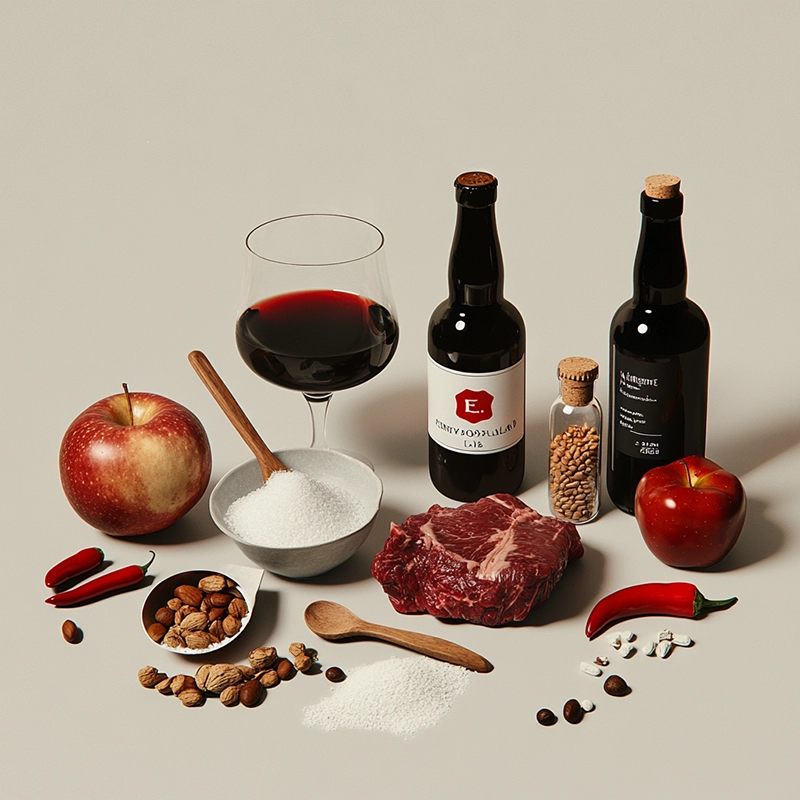
After your facelift surgery, it’s essential to be mindful of what you eat. Certain foods can interfere with healing, increase inflammation, or put unnecessary strain on your incisions. Here’s an expanded list of items to steer clear of:
- Salt and Sodium-Rich Foods: Excessive sodium makes your body hold on to extra fluid, which can worsen swelling and potentially compromise your results. Avoid processed foods, canned soups, salty snacks, and condiments high in sodium. Be particularly cautious with restaurant meals, which often contain hidden sodium.
- Sugar and Refined Carbohydrates: These can promote inflammation and slow down the healing process. Limit your intake of sweets, white bread, pastries, sugary drinks, and processed snacks. Even seemingly healthy options like fruit juices can be high in sugar, so opt for whole fruits instead.
- Alcohol: Alcoholic beverages thin your blood and widen blood vessels, which raises the risk of bleeding, bruising, and the blood-pocket complication (hematoma) doctors most want to prevent. It’s best to abstain from alcohol for at least two weeks after surgery, or longer if recommended by your surgeon. This includes all forms of alcohol — beer, wine, and spirits.
- Spicy Foods: Spicy dishes can cause increased blood flow to the face, potentially exacerbating swelling and discomfort. Avoid hot peppers, curry, and other spicy ingredients until your surgeon gives you the go-ahead.
- Hard or Chewy Foods: Foods that require excessive chewing can strain your facial muscles and incisions. Avoid nuts, tough meats, chewy candies, and hard fruits like apples. Opt for softer alternatives during the initial recovery period.
- Caffeine: While not as critical as other items on this list, caffeine can potentially increase blood pressure and interfere with sleep, both of which can impact healing. Consider reducing your caffeine intake, especially in the first week post-surgery.
- Vitamin E and Blood-Thinning Supplements: While vitamin E is generally beneficial, high doses can increase the risk of bleeding, as can supplements such as fish oil, ginkgo, and high-dose garlic. Consult your surgeon about temporarily pausing these supplements around the time of surgery.
Recommended Foods for Optimal Healing

Instead of focusing on restrictions, let’s explore nutrient-rich foods that support healing and promote optimal recovery:
- Lean Proteins: Chicken, fish, tofu, and lean cuts of meat provide essential amino acids for tissue repair. Aim to include a protein source in each meal.
- Fresh Fruits and Vegetables: These are packed with vitamins, minerals, and antioxidants that support healing. Berries, citrus fruits, leafy greens, and colorful vegetables should be staples in your post-surgery diet.
- Whole Grains: Opt for complex carbohydrates like quinoa, brown rice, and whole wheat bread to provide sustained energy without causing inflammation.
- Healthy Fats: Incorporate sources of omega-3 fatty acids such as avocado, olive oil, and fatty fish to reduce inflammation and support skin health.
- Probiotic-Rich Foods: Yogurt, kefir, and fermented vegetables can support your immune system and overall health during recovery.
- Hydration: Drink plenty of water, herbal teas, and clear broths to stay hydrated and support your body’s healing processes.
Nutrition and Hydration During Recovery
Importance of Proper Nutrition for Healing
Proper nutrition and hydration play a vital role in the healing process after facelift surgery. Ensuring that your body receives the necessary nutrients can help minimize swelling, promote tissue repair, and support overall recovery. Here are some essential tips to keep in mind:
According to plastic surgery medical literature, adequate protein intake is especially important during facelift recovery: when protein is in short supply, the body’s repair cells (fibroblasts, which rebuild skin tissue) work less effectively and the early inflammatory stage of healing can drag on. Research on nutrition and wound healing also notes that omega-3 fatty acids and certain amino acids (the building blocks of protein) are linked to better healing and immune support, while vitamins A, B, and C and the mineral zinc help move the skin through its natural recovery stages.
- Eat a Balanced Diet: A balanced diet rich in fruits, vegetables, whole grains, and lean proteins provides the essential nutrients your body needs to heal. Incorporate a variety of colorful fruits and vegetables to ensure you get a wide range of vitamins and minerals.
- Stay Hydrated: Drinking plenty of water and other fluids is crucial for minimizing swelling and supporting the healing process. Aim to drink at least eight glasses of water a day, and consider incorporating herbal teas and clear broths to stay hydrated.
- Avoid Certain Foods: Some foods can irritate your skin and slow down the healing process. Spicy or acidic foods, for example, can cause discomfort and should be avoided during the recovery period. Stick to gentle, easy-to-digest foods that won’t strain your body.
- Take Supplements: Your surgeon may recommend specific supplements, such as vitamin C or zinc, to promote healing and reduce the risk of complications. These supplements can support your immune system and aid in tissue repair.
- Follow a Post-Operative Diet: Your surgeon may provide you with a detailed post-operative diet plan tailored to your needs. Following this diet carefully can help ensure a smooth and safe recovery. Pay attention to any specific recommendations regarding portion sizes, meal frequency, and food choices.
By focusing on proper nutrition and hydration, you can support your body’s healing process and enhance the results of your facelift surgery. Remember, a healthy diet is a key component of a successful recovery and long-lasting results.
Activities to Avoid: Protecting Your Facelift Recovery
Physical Restrictions
To protect your healing tissues and ensure the best possible outcome, it’s crucial to avoid certain activities during your recovery period. Here’s a detailed look at what to avoid:
- Strenuous Exercise: Vigorous workouts can increase blood pressure and potentially cause bleeding or swelling. Avoid heavy lifting, high-impact activities, and intense cardio for at least 3-4 weeks. This includes:
- Running or jogging
- Weightlifting
- High-intensity interval training (HIIT)
- Contact sports
- Bending and Lifting: These actions can increase pressure in your face and potentially disrupt healing. Avoid bending over or lifting objects heavier than 5-10 pounds for the first few weeks. This includes:
- Picking up children
- Carrying heavy groceries
- Gardening activities that require bending
- Swimming and Saunas: Submerging your face in water or exposing it to excessive heat can increase the risk of infection and affect your incisions. Wait at least 4-6 weeks before engaging in these activities. This includes:
- Swimming pools
- Hot tubs
- Steam rooms
- Saunas
- Excessive Sun Exposure: UV rays can damage your healing skin and affect scar formation. Avoid direct sunlight and use sun protection when outdoors. This means:
- Staying indoors during peak sun hours (10 am to 4 pm)
- Wearing a wide-brimmed hat when outside
- Using a high-SPF sunscreen recommended by your surgeon
- Smoking and Nicotine Products: This is one of the most important restrictions. Nicotine narrows blood vessels and reduces the oxygen reaching healing tissues, which significantly slows recovery and, in some cases, can cause the skin near the incisions to break down. It’s crucial to quit smoking before surgery and abstain during the entire recovery period. This includes:
- Cigarettes
- E-cigarettes
- Nicotine patches or gum
- Secondhand smoke exposure
- Excessive Talking or Facial Expressions: While it may seem unusual, excessive talking or making exaggerated facial expressions can strain your healing tissues. Try to:
- Limit long phone conversations
- Avoid animated storytelling or excessive laughing
- Be mindful of facial movements, especially in the first week
- Air Travel: The pressure changes and dry air in airplanes can affect your healing. If possible, avoid air travel for at least two weeks after your surgery, or consult your surgeon for specific recommendations.
Additionally, some very minor swelling can persist for up to a year and is typically only noticeable to the patient.
Recommended Activities for a Smooth Recovery

While many activities are restricted, there are still ways to stay active and promote healing during recovery:
- Gentle Walks: Short, easy walks can promote circulation and prevent blood clots. Start with 5-10 minutes and gradually increase as you feel comfortable.
- Light Stretching: Focus on gentle body stretches, avoiding head and neck movements. This can help prevent stiffness and promote relaxation.
- Relaxation Techniques: Practices like meditation, deep breathing exercises, or guided imagery can reduce stress and support healing.
- Reading or Listening to Audiobooks: These activities can keep your mind engaged without straining your face or body.
- Gentle Arm Exercises: Light arm movements while seated can help maintain some muscle tone without risking your facial healing.
Skincare and Hygiene Precautions: Nurturing Your Incision Sites
Proper skincare is essential during facelift recovery to protect your investment and ensure optimal healing:
- Avoid Makeup: Refrain from applying makeup for at least two weeks to prevent irritation and infection. When you do start wearing makeup again, use new products to minimize the risk of contamination.
- Gentle Cleansing: Use only the products recommended by your surgeon for cleansing your face. Typically, this will involve a mild, fragrance-free cleanser and lukewarm water. Avoid scrubbing or using washcloths; instead, use your fingertips to gently cleanse your facial skin.
- No Facial Treatments: Avoid facials, chemical peels, microdermabrasion, or other skin treatments until your surgeon gives you the green light. This usually means waiting at least 6-8 weeks post-surgery.
- Moisturize Carefully: If your surgeon approves, use a gentle, hypoallergenic moisturizer to keep your skin hydrated. Be careful not to tug or pull at your skin when applying products. Incision sites may initially appear bunched or puckered but will smooth out over time.
- Scar Care: Follow your surgeon’s instructions for scar management, which may include silicone sheets or specific ointments to minimize scarring.
- Hair Care: Be cautious when washing and styling your hair to avoid putting pressure on your incisions or getting hair products on healing skin.
- Sleep Position: Sleep with your head elevated on a few pillows to reduce swelling. Avoid sleeping on your side or stomach for at least two weeks.
The Importance of Following Post-Operative Instructions
Adhering to your surgeon’s post-operative instructions is crucial for achieving the best possible results from your cosmetic surgery, such as a facelift surgery. These guidelines are designed to minimize complications and ensure optimal healing. Surgeons often prescribe pain medication to manage discomfort during the initial recovery period. Remember that every patient’s recovery is unique, and your surgeon’s personalized advice should always take precedence.
When to Seek Medical Attention and Pain Medication
While some discomfort is normal during recovery, certain symptoms warrant immediate medical attention. In particular, sudden swelling on one side of the face, tightness, or rapidly spreading bruising can be early signs of a hematoma and should be checked promptly. Watch for:
- Excessive pain or swelling that doesn’t improve with prescribed medications
- Signs of infection, such as fever, increased redness, warmth, or pus around incisions
- Bleeding or oozing from incisions that doesn’t stop with gentle pressure
- Difficulty breathing or swallowing
- Sudden asymmetry or changes in facial appearance
- Severe bruising or discoloration that spreads
If you experience any of these symptoms, contact your surgeon immediately. It’s always better to err on the side of caution when it comes to your health and the success of your procedure.
Long-Term Care for Lasting Results During the Recovery Period
As you progress in your recovery, it’s important to maintain a healthy lifestyle to prolong the effects of your facelift. While a facelift can rejuvenate your appearance, it does not stop the natural aging process. This includes:
- A balanced diet rich in antioxidants and nutrients
- Regular exercise to maintain overall health and skin elasticity
- Proper skincare routine, including daily sun protection
- Staying hydrated and avoiding excessive alcohol consumption
- Managing stress through relaxation techniques or mindfulness practices
- Regular follow-ups with your surgeon to monitor your results
Maintaining a healthy lifestyle can help manage facial aging over time.
For more information on maximizing the longevity of your results, check out our article on “The Effects of Facelift: How Much Younger Can You Really Look?”.
Emotional Aspects of Recovery
It’s important to acknowledge that recovery from a facelift isn’t just physical—it can also be an emotional journey. Some patients may experience temporary feelings of doubt or anxiety during the healing process. This is normal and usually subsides as swelling decreases and results become more apparent. Consider the following tips:
- Stay connected with supportive friends and family
- Keep a recovery journal to track your progress
- Set realistic expectations and be patient with the healing process
- Engage in relaxing activities that boost your mood
- Consider joining a support group for plastic surgery patients
If you find yourself struggling emotionally, don’t hesitate to reach out to your surgeon or a mental health professional for support.
Frequently Asked Questions: Facelift Recovery
What foods should I avoid during facelift recovery?
During facelift recovery, it’s best to avoid alcohol for at least two weeks, along with excessive salt, sugar and refined carbohydrates, spicy foods, and hard or chewy foods. High-dose vitamin E and other blood-thinning supplements may also increase bleeding risk, so discuss any supplements with your surgeon first.
When can I exercise after a facelift?
Avoid strenuous exercise for about 3 to 4 weeks, as increased blood pressure can lead to bleeding or swelling. Gentle walks of 5 to 10 minutes can usually begin in the first days, with light stretching after a week. Resume full exercise only once your surgeon clears you, typically around 4 to 6 weeks.
How long does facelift recovery take?
Most visible swelling and bruising ease within 2 to 3 weeks, and many patients feel socially presentable by 2 to 4 weeks. Some very minor swelling can linger for up to a year and is usually noticeable only to the patient. Every recovery timeline is individual.
Why is smoking so harmful during facelift recovery?
Nicotine narrows blood vessels and lowers the oxygen that reaches your healing skin. Because a facelift lifts and repositions the skin, that reduced blood supply can slow healing and, in some cases, cause the skin along the incisions to break down. Surgeons therefore advise stopping smoking and all nicotine products before surgery and throughout recovery.
Can I wear makeup after facelift surgery?
Refrain from applying makeup for at least two weeks to avoid irritating or contaminating your incision sites. When you do resume, consider using fresh products to reduce the risk of introducing bacteria to healing skin.
What nutrients help facelift healing?
Medical research suggests that protein (and its amino acid building blocks), omega-3 fatty acids, vitamins A, B, and C, and zinc all support wound healing. Protein in particular is important for collagen production and tissue repair, so including a protein source at each meal is generally encouraged during facelift recovery.
Conclusion: Your Path to a Refreshed Appearance
By following these comprehensive guidelines and avoiding potentially harmful foods and activities, you can ensure a smooth recovery and optimal results from your facelift surgery. Remember, patience is key during the healing process, and following your surgeon’s instructions diligently will help you achieve the rejuvenated appearance you desire.
Your facelift journey doesn’t end with the surgery—it’s a commitment to ongoing self-care and maintenance. By adopting healthy habits and taking proper care of your skin, you can enjoy your refreshed appearance for years to come. Incorporating Korean face lift techniques into your skincare routine can further enhance your results and promote a youthful glow. These methods often emphasize hydration, rejuvenation, and the importance of targeted treatments, making them an excellent addition to your self-care regimen. Embrace this holistic approach to ensure that your facelift transformation remains vibrant and lasting.
※ This content is for informational purposes only and does not replace professional medical advice, diagnosis, or treatment. Individual results may vary, and side effects may occur. Please consult with a board-certified plastic surgeon for personalized advice.