EN
EN


Table of contents
Introduction
Salivary gland Botox is an injection of botulinum toxin into the parotid or submandibular salivary glands that temporarily reduces how much saliva they produce. Saliva output typically falls within about 3 to 5 days, and the effect lasts roughly 3 to 6 months before the injection needs repeating. The side effects worth understanding before you consent are pain or swelling at the injection site, dry mouth, temporary weakness in the muscles that move the lower lip, and swallowing discomfort. This guide explains each one, who should avoid salivary gland Botox altogether, and when salivary gland reduction surgery is the better answer.
It is worth saying plainly at the start: salivary gland Botox is a medical injection placed close to nerves, blood vessels and the muscles you swallow with. It is usually straightforward, but it is not a risk-free lunchtime beauty treatment. The sections below explain what the treatment can realistically do, what it cannot do, and which side effects are worth asking your doctor about before you book anything.
What Is Salivary Gland Botox?
Botox, short for botulinum toxin, is a neurotoxin that temporarily blocks nerve signals by stopping the release of a chemical messenger called acetylcholine. Most people know it for relaxing muscles, but acetylcholine also carries the “produce saliva now” signal along the parasympathetic nerve fibers that supply the salivary glands. The textbook Surgery of the Salivary Glands describes exactly this: because the toxin also blocks acetylcholine in the autonomic nervous system, it dampens the secretory nerve supply of the gland itself, not just nearby muscle.
When it is injected into a salivary gland, the gland receives fewer “keep working” signals for a while. Saliva output falls, and because a gland that is producing less saliva can also become slightly less full, some people notice the area under the jaw looks softer. This treatment is commonly used for:
- Hypersalivation (sialorrhea): A condition where excess saliva production affects daily activities and social interactions.
- Contour concerns: Softening the rounded fullness under the jawline when that fullness comes from an enlarged salivary gland rather than from fat or muscle.
- Medical conditions: Helping to manage drooling that comes with certain neurological disorders, usually as part of a wider care plan.
Clinical references on salivary gland disorders group botulinum toxin with other saliva-reducing options such as anticholinergic medicines, and note that it is one tool among several. They also stress that the effect is temporary and that injections have to be repeated after some months if the problem returns. That temporary nature is the single most important thing to understand before you decide.
Which Glands Does It Target?
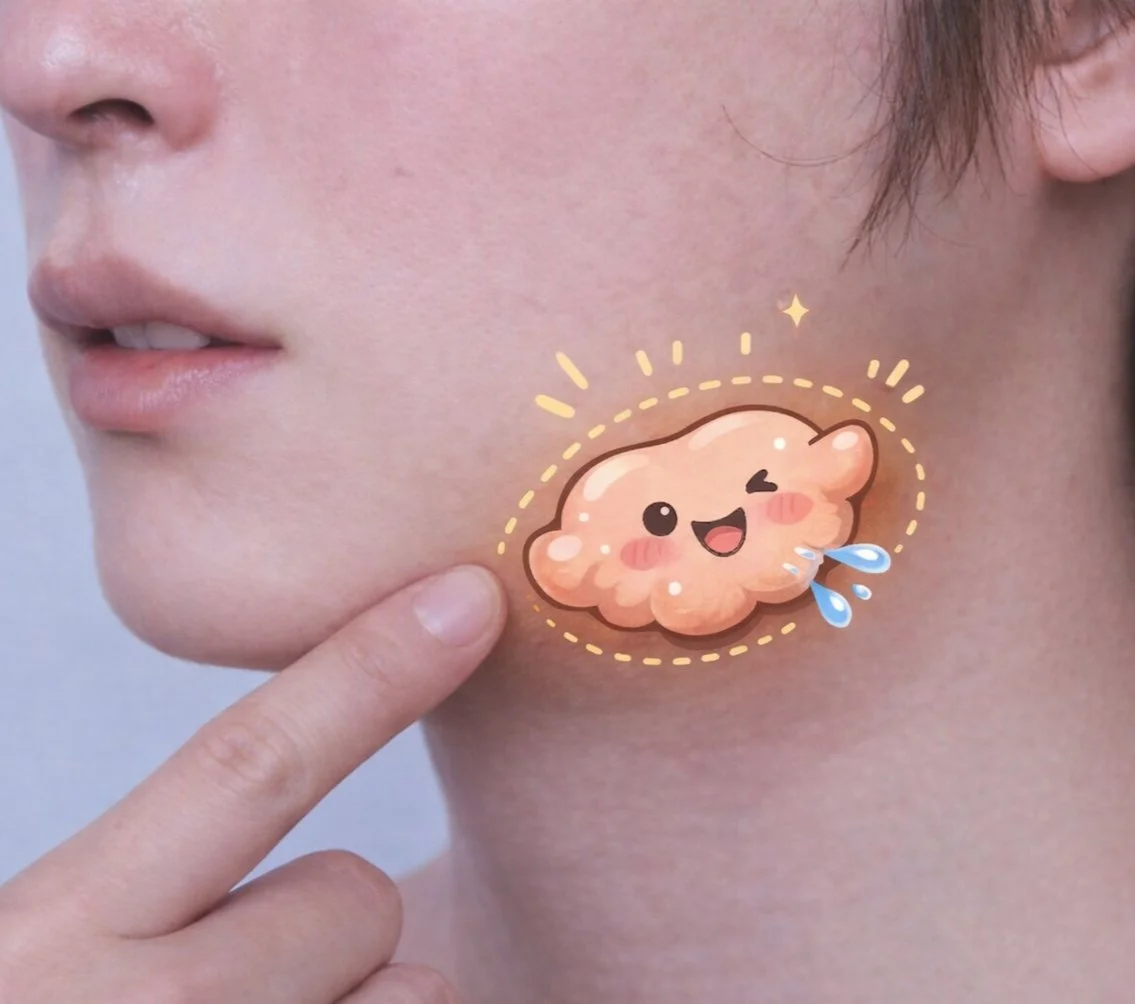
You have three pairs of major salivary glands, and only one pair matters for most jawline concerns. The parotid glands sit in front of and below the ears. The submandibular glands sit under the jawline, in a small anatomical space called the submandibular triangle. The sublingual glands sit under the tongue. Aesthetic treatment of the lower face almost always concerns the submandibular glands, because an enlarged or drooping submandibular gland can create a visible bulge under the jaw that no amount of weight loss will shift.
Anatomy is the reason this injection needs a skilled hand. Plastic surgery texts describe the submandibular triangle as containing not only the gland but also the facial artery and vein, the lingual nerve, and the marginal mandibular branch of the facial nerve. That facial nerve branch is one of the most commonly encountered branches in this region, and its path and depth vary a great deal between people. Surgical texts note it may run as a single branch or divide into 3 or 4 smaller ones, so there is no single “safe spot” that works for everyone.
How Botulinum Toxin Reduces Saliva
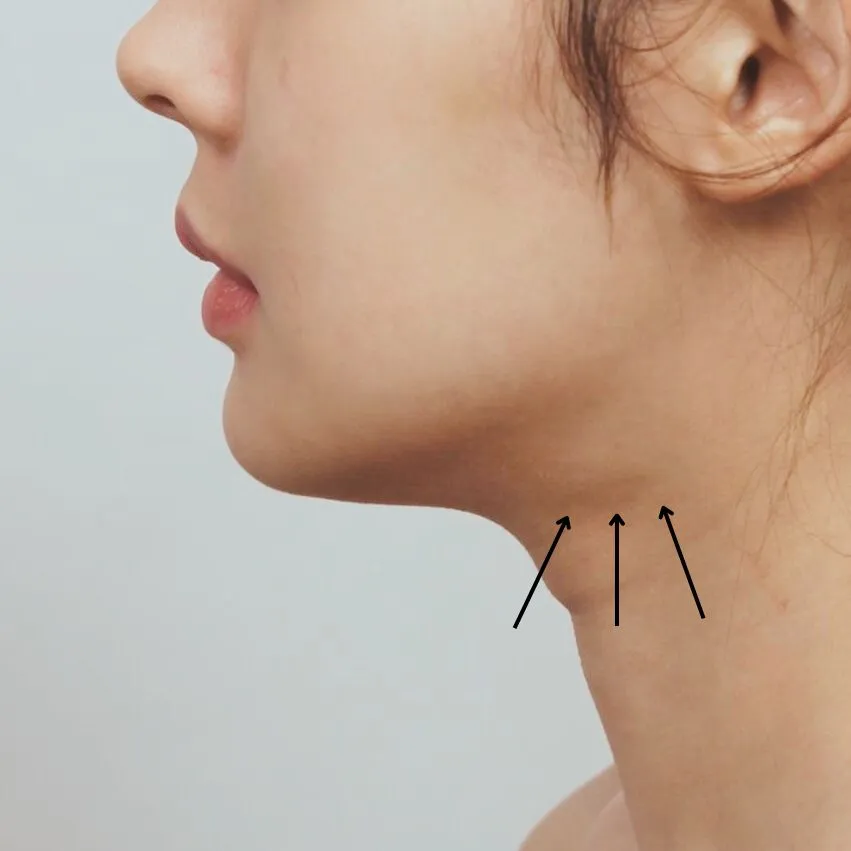
Think of the nerve ending as a switch that releases acetylcholine every time your body wants saliva. Botulinum toxin quietly disables that switch for a period of time. The gland is not removed, damaged or shrunk by surgery; it simply receives fewer instructions. Nerve endings gradually recover, the switch starts working again, and saliva production returns. This is why the medical literature consistently frames the treatment as repeatable rather than permanent.
The same mechanism explains why the toxin is used elsewhere for conditions driven by overactive nerve signaling, from excessive sweating to certain muscle spasm disorders. It is also occasionally used around the salivary glands after surgery to reduce saliva leakage while tissues heal. Understanding this one mechanism makes both the benefits and the side effects much easier to predict.
Salivary Gland Botox vs. Masseter Botox
This is the most common mix-up we see, and getting it wrong wastes both time and money. Masseter Botox targets the chewing muscle at the angle of the jaw. Salivary gland Botox targets a gland, which is glandular tissue, not muscle. They sit close together but they are different tissues with different jobs, so the same injection cannot address both problems well.
There is a simple check clinicians use during a consultation. Clench your back teeth and feel the fullness. If the area becomes firm and pushes out as you bite down, an enlarged masseter muscle is the likely culprit. If it stays soft while you clench, an enlarged salivary gland is more likely. A useful rule of thumb is that masseter enlargement tends to make a face look square and angular, while salivary gland enlargement tends to make the lower face look rounded and heavy, with a blurred line under the jaw.
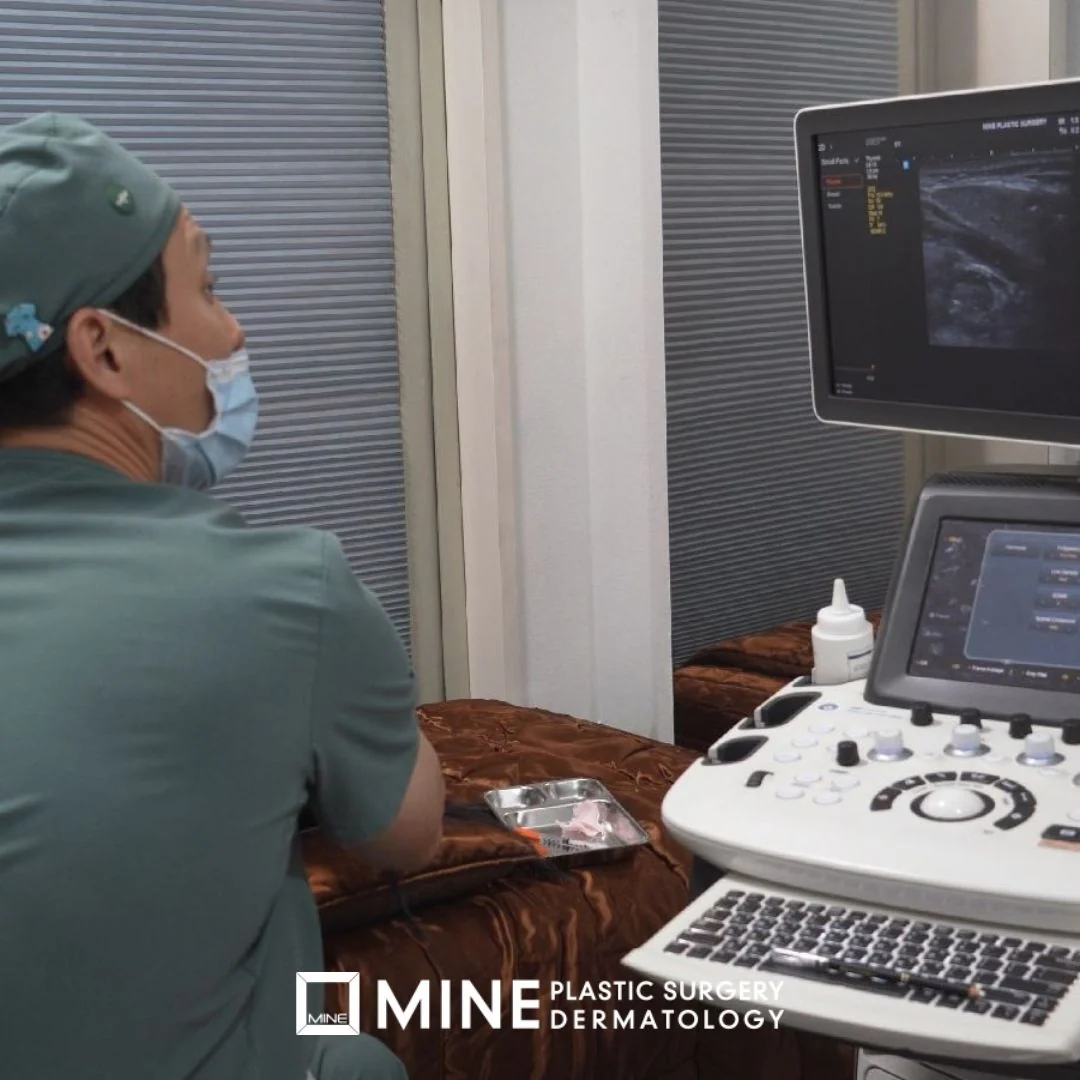
This self-check is a starting point for a conversation, not a diagnosis. Fat, sagging skin, lymph nodes and other conditions can all create fullness in the same area. That is why an ultrasound assessment before treatment matters so much: it shows whether the bulk really is glandular tissue and how deep the gland sits before anyone picks up a needle.
How Does the Procedure Work?
Initial Consultation
A specialist evaluates your condition and determines the appropriate dose and target areas for the injections. This step often includes imaging, most commonly ultrasound, to confirm that the fullness is glandular and to see how large and how deep each gland is. At this visit your doctor should also review your medical history and any medicines or supplements you take, so bring an accurate list with you.
Preparation
The procedure is performed in a clinical setting. A numbing agent may be applied to minimize discomfort. Ultrasound guidance is often used so the injector can watch the needle reach the gland instead of estimating from surface landmarks. Given how variable the nerves and vessels of the submandibular triangle are, being able to see the target is a meaningful safety advantage rather than a marketing extra.
Injection
Botox is injected into the target salivary glands, such as the parotid or submandibular glands, using a fine needle. The number of injection points and the dose vary with the size of the gland and the reason for treatment, and are decided by the treating doctor. Dosing for glands is not the same as dosing for muscles, which is another reason to see someone who does this procedure regularly.
Post-Treatment Care
Patients are usually advised to avoid rubbing the treated area, lying flat immediately afterwards, or doing strenuous exercise for about 24 hours, so the product stays where it was placed. Your clinic will give you its own instructions, and those instructions take priority over anything you read online. Contact the clinic promptly if you notice anything unexpected rather than waiting for your next scheduled visit.
The appointment itself usually takes less than an hour, and most people go back to their normal day straight afterwards.
Benefits of Salivary Gland Botox
Non-Surgical Solution
Compared with gland removal surgery, an injection is far less invasive. There is no incision, no general anesthetic and no scar, and most people need little or no time away from work. For anyone who wants to test whether reducing gland activity actually improves what is bothering them before committing to surgery, this is a reversible way to find out.
Quick Results
Reduced saliva production is commonly reported within about 3 to 5 days rather than immediately, and the effect is usually described as lasting roughly 3 to 6 months before injections need repeating. Clinical Management of Salivary Gland Disorders describes these injections as successful but needing repetition after several months. It gives no fixed interval, which is why the figures above are typical ranges rather than guarantees. How long it lasts in any individual depends on the dose, which gland was treated, and personal factors such as metabolism, so treat any specific number you read as an average rather than a promise.
Versatility
The dose and injection points can be tailored to the individual, and the same underlying mechanism serves both medical drooling problems and contour concerns. That flexibility has limits, though. It is not suitable for everyone, and eligibility depends on your age, health status, medicines and the reason for treatment, all of which your doctor assesses individually.
Improved Quality of Life
For people whose drooling is severe enough to interfere with speaking, eating or social life, reducing saliva output can make daily routines easier to manage. Clinical references treat this as one part of a broader plan that may also involve a physician, a dentist, a speech therapist and, where a neurological condition is involved, a neurologist. Results differ from person to person, and a good clinic will tell you what a realistic change looks like for your situation before you start.
Side Effects of Salivary Gland Botox
Every effect described below comes from the same mechanism as the benefit: acetylcholine signaling is blocked, and the block is not perfectly confined to the gland that was targeted. None of this means the treatment is unsafe in trained hands, but you should hear the full list before consenting rather than afterwards.
Localized Pain and Swelling
Mild discomfort, redness or swelling at the injection site is common and usually settles on its own. Bruising can happen too, particularly in an area as richly supplied with blood vessels as the submandibular triangle. Tell your doctor at your consultation about any medicine or supplement that affects bleeding, and let them decide whether anything needs to change. Never stop a prescribed medication on your own to prepare for a cosmetic appointment.
Dry Mouth (Xerostomia)
Suppressing saliva too much can leave your mouth dry. Saliva is not just moisture: it helps you taste, swallow and protect your teeth, so persistent dryness can affect speech, comfort and dental health. Common self-care measures include keeping well hydrated, chewing sugar-free gum, using over-the-counter saliva substitutes and cutting back on alcohol and caffeine. Regular dental check-ups are sensible while saliva output is reduced. If dryness is troublesome, let the clinic that treated you know.
Temporary Weakness in Nearby Muscles
Botulinum toxin can spread a short distance beyond the injection point. Near the jawline that can affect the marginal mandibular branch of the facial nerve, which controls part of the lower lip, and the result may be an uneven smile for a period of time. Because that nerve varies so much in position and depth from person to person, careful technique and imaging guidance matter more here than in most cosmetic injections.
Swallowing Discomfort
This is the side effect people most often overlook. The submandibular gland sits deep, close to the muscles used for swallowing, so toxin that spreads beyond the gland can make swallowing feel effortful or uncomfortable. It is usually temporary, but it is not trivial, and it is the main reason this injection should be placed by someone experienced in salivary gland anatomy rather than by whoever is available. If swallowing or breathing becomes difficult after any botulinum toxin treatment, seek medical care promptly.
Rare but Serious Risks
- Infection: Any injection breaks the skin. Sterile technique and a properly equipped clinic reduce this risk.
- Allergic reaction: Uncommon but possible. Symptoms may include rash, itching or difficulty breathing, and difficulty breathing is an emergency.
- Sialocele or gland inflammation: Surgical texts note that a needle or other instrument passing into the parotid or submandibular gland can lead to a pocket of collected saliva or local inflammation.
- Unintended effects: Changes in taste or sensation if nearby structures are affected.
Who Should Not Have Salivary Gland Botox
Some situations call for caution or rule the treatment out altogether. Raise all of the following with your doctor, who will decide what is appropriate for you. Do not use this list to rule yourself in or out on your own.
- A previous allergic reaction to a botulinum toxin product.
- A neuromuscular disorder such as myasthenia gravis or Lambert-Eaton syndrome, where the same nerve signaling is already impaired.
- Pregnancy or breastfeeding.
- An active infection or inflamed skin at the intended injection site.
- Existing difficulty swallowing, for any reason, since this treatment can add to it.
Bring a full list of your medicines and supplements to the consultation. Some products interact with botulinum toxin or affect bleeding, and your doctor needs the whole picture to plan safely.
Comparison with Surgical Options
When compared to surgical gland removal or reduction, salivary gland Botox has clear practical advantages. Some patients still choose surgery because they want a lasting structural change that a temporary injection cannot deliver. Both routes carry their own risks, and the honest comparison is not “safe versus dangerous” but “temporary and repeatable versus permanent and more invasive.” Our guide to functional problems after submandibular gland removal covers the surgical side in more detail.
| Aspect | Botox Treatment | Surgical Option |
|---|---|---|
| Invasiveness | Injection only, no incision | Requires anesthesia and an incision |
| Recovery time | Little to no downtime | Weeks to months |
| Duration | Wears off; repeat sessions needed | Structural and lasting |
| Cost pattern | Lower per session, but recurring | Higher one-time cost |
| Main risks | Dry mouth, swallowing discomfort, temporary nerve effects | Surgical side effects including nerve injury |
When Salivary Gland Botox Is Not Enough
Salivary gland Botox reduces how hard a gland works. It does not remove tissue. When a gland is large because of its inherent structure rather than because it is overactive, reducing its activity may change very little of what you see in the mirror. People in that situation sometimes go through two or three sessions, feel disappointed, and only then learn that their anatomy was never a good match for the treatment.
An honest consultation should raise this possibility before your first injection, not after your third. If ultrasound shows a genuinely large gland, it is reasonable to discuss salivary gland reduction surgery as an alternative from the outset. If you have already been treated without the result you hoped for, our article on salivary gland Botox not working walks through the usual reasons why.
It is also worth confirming what is actually causing the fullness in the first place. If the real issue is fat rather than gland, a different approach applies; our guide to salivary gland reduction for a double chin explains how to tell the two apart.
Key Considerations Before Getting Botox
- Consult a specialist: Ask specifically how often the doctor treats salivary glands, not just how much botulinum toxin they use overall. Ask whether your glands are a good match for injections or whether you should be considering salivary gland removal surgery instead.
- Ask for imaging: An ultrasound assessment tells you whether the fullness is gland, fat or muscle. Without it, the treatment plan is partly guesswork.
- Understand the costs: Treatment is typically not covered by insurance unless it is deemed medically necessary, and because the effect wears off, the real question is annual cost rather than the price of one session. Our breakdown of salivary gland surgery costs in Korea is a useful comparison point.
- Discuss expectations: Be clear about what the procedure can and cannot achieve. Realistic expectations are essential if you are going to be happy with the result.
- Review your medical history: Neuromuscular conditions, swallowing problems, pregnancy and previous reactions all change the picture. A thorough evaluation is essential, and nothing should be left off the form.
Salivary Gland Botox FAQ
How long does salivary gland Botox last?
Clinical sources describe the effect as lasting several months, commonly quoted as around 3 to 6 months, after which injections need to be repeated if the problem returns. The exact interval varies with dose, the gland treated and individual factors, so your own schedule is something to agree with your doctor rather than read off a chart.
Does salivary gland Botox slim the jawline?
It can soften fullness when that fullness genuinely comes from an enlarged submandibular gland. If the cause is fat, skin laxity or an enlarged masseter muscle, this particular injection is aimed at the wrong tissue and will not deliver what you are hoping for. Imaging before treatment is what separates these cases.
Is salivary gland Botox painful?
Most people describe it as brief discomfort rather than pain, and a topical numbing agent is often used. Some tenderness or bruising in the area afterwards is normal.
Can salivary gland Botox cause lasting dry mouth?
Because the effect on the nerve endings wears off, dryness related to the injection is generally expected to fade as saliva production returns. If dryness persists or bothers you, contact the clinic that treated you and mention it to your dentist as well, since reduced saliva affects dental health.
Who should perform the treatment?
A board-certified plastic surgeon trained in salivary gland and facial nerve anatomy, working in a properly equipped clinic, ideally with ultrasound. The submandibular triangle contains the facial artery and vein, the lingual nerve and a highly variable branch of the facial nerve, so experience in this specific area is not a luxury. At MINE Plastic Surgery in Seoul, Korea, salivary gland treatment is assessed and carried out by board-certified plastic surgeons led by Dr. Lee Sung-wook, who first establish whether the fullness under the jaw is gland, fat or muscle before recommending injections or surgery.
External Resources
- For general background on salivary gland conditions, see MedlinePlus: Salivary Gland Disorders.
- For patient information on dry mouth and how to manage it, see NIDCR (National Institutes of Health): Dry Mouth.
- For a general consumer overview of how botulinum toxin injections work, see WebMD’s Botox guide.
These are general references for background reading. They are not specific to salivary gland Botox as performed at any individual clinic, and they do not replace advice from the doctor who examines you.
※ This content is for informational purposes only and does not replace professional medical advice, diagnosis, or treatment. Individual results may vary, and side effects may occur. Please consult with a board-certified plastic surgeon for personalized advice.