EN
EN

Table of contents
- Understanding Facelift Surgery
- Expected Results and Benefits
- The Facelift Procedure: What to Expect
- Potential Side Effects and Precautions
- Cost Considerations and Insurance Coverage
- Choosing the Right Specialist
- Latest Techniques and Innovations
- Recovery and Aftercare
- Long-Term Maintenance
- Conclusion
Facelift surgery, also known as rhytidectomy, is a popular cosmetic procedure designed to rejuvenate the face and neck by addressing visible signs of aging. This comprehensive guide will explore the various aspects of facelift surgery, including its effects, potential side effects, costs, and methods, to help you make an informed decision about whether this transformative procedure is right for you.
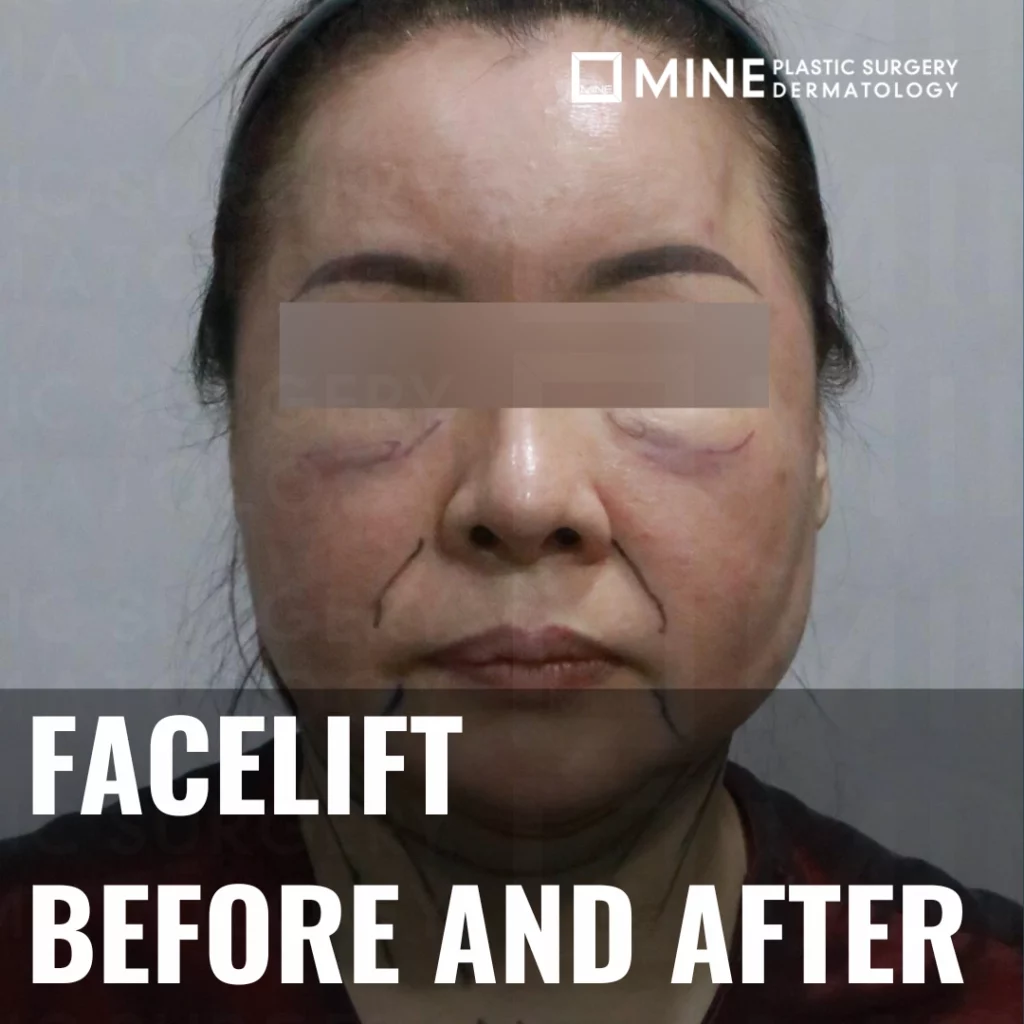
A facelift is a surgical procedure that aims to create a more youthful appearance by tightening loose skin and potentially removing excess fat in the face and neck areas. The effects of a facelift can be significant, with studies indicating that a well-executed procedure can make individuals appear up to a decade younger. This surgical intervention targets multiple areas of the face, including:
- Sagging in the midface
- Deep creases below the lower eyelids
- Deep creases along the nose extending to the corner of the mouth
- Fat that has fallen or is displaced
- Loss of muscle tone in the lower face that may create jowls
- Loose skin and excess fatty deposits under the chin and jaw
The procedure typically involves making incisions in the hairline at the temples, continuing around the ear and ending in the lower scalp. Through these incisions, your surgeon can sculpt or redistribute fat from the face, jowls, and neck, and reposition the underlying tissue.
What is Facelift Surgery?
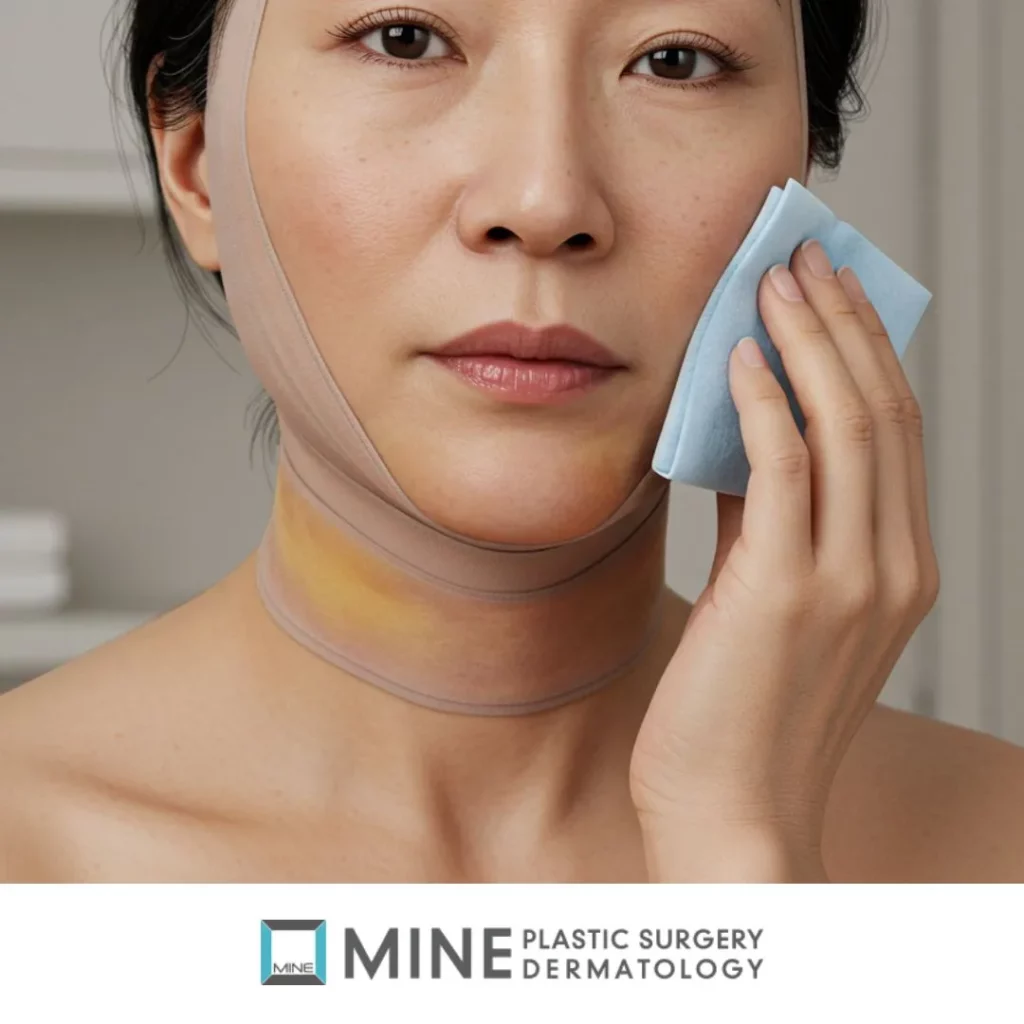
Facelift surgery, also known as rhytidectomy, is a surgical procedure designed to rejuvenate the face by lifting and firming sagging facial tissues. This procedure aims to restore a more naturally youthful appearance by addressing common signs of aging such as wrinkles, sagging skin, and loss of facial volume. By targeting these issues, facelift surgery can significantly enhance facial contours and improve overall skin texture. Each facelift is customized to meet the specific needs and concerns of the patient, making it a popular choice for those seeking comprehensive facial rejuvenation. Whether you’re dealing with deep creases, loose skin, or displaced fat, a facelift can offer a transformative solution that revitalizes your appearance.
Expected Results and Benefits of Facial Rejuvenation
Patients often wonder about the extent of rejuvenation they can achieve through a facelift. While results vary depending on individual factors such as age, skin quality, and lifestyle habits, common benefits include:
- Improved facial contours
- Tightened skin around the jawline and neck
- Reduction of deep wrinkles and folds
- Enhanced skin texture
- Restoration of a more youthful and rested appearance
- Improved self-confidence and body image
Facelift surgery is often part of a broader category of procedures known as facial rejuvenation surgery, which aims to improve various areas of the face for a more youthful appearance.
It’s important to have realistic expectations and understand that a facelift cannot stop the aging process entirely. However, it can provide a refreshed and more youthful appearance that can boost confidence and self-esteem. Many patients report feeling more comfortable in social and professional settings after their recovery.
Types of Facelift Procedures
There are several types of facelift procedures, each tailored to address specific aging concerns and achieve different levels of rejuvenation. Here are the most common types:
- Traditional Facelift: Also known as a full facelift, this comprehensive procedure targets the lower two-thirds of the face, including the cheeks, jawline, and neck. It is ideal for patients with significant sagging skin and deep wrinkles.
- Mini Facelift: A less invasive option, the mini facelift focuses on the lower face and neck. It is suitable for patients with mild to moderate signs of aging, offering quicker recovery times and less extensive surgery.
- Deep Plane Facelift: This advanced technique targets the deeper layers of facial tissues, including the facial muscles and fat pads. It provides more natural-looking and long-lasting results, making it ideal for those with significant sagging and volume loss.
- Neck Lift: Specifically designed to address sagging skin and excess fat in the neck area, a neck lift creates a more defined and youthful appearance. It can be performed alone or in conjunction with other facelift procedures for a more comprehensive rejuvenation.
Each of these facelift procedures offers unique benefits, allowing patients to choose the option that best suits their individual needs and desired outcomes.
The Facelift Procedure: What to Expect
Understanding the procedure itself can help alleviate anxiety and prepare you for the journey ahead. Here’s a general overview of what you can expect during a facelift surgery:
- Anesthesia: The procedure is typically performed under general anesthesia or intravenous sedation.
- Incisions: Your surgeon will make incisions based on the specific technique being used and your individual needs. One common technique involves a neck lift incision, which begins in front of the earlobe, wraps around behind the ear, and ends at the hairline, effectively addressing sagging jowls and loose neck skin.
- Tissue Manipulation: The underlying muscles and tissues are lifted and tightened to create a more youthful contour.
- Skin Redraping: Excess skin is removed, and the remaining skin is gently laid back over the newly rejuvenated facial structures.
- Closing the Incisions: Sutures or skin adhesives are used to close the incisions.
The entire procedure usually takes several hours, depending on the extent of the facelift and whether any additional procedures are being performed simultaneously.
Facelift Recovery and Aftercare
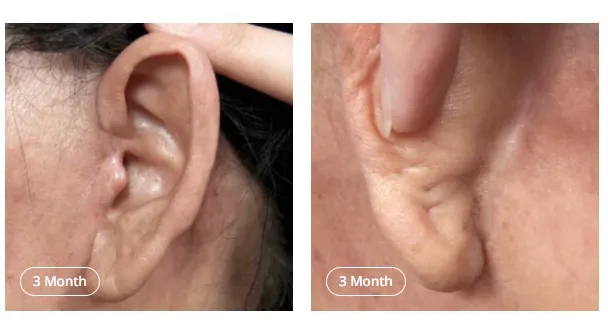
The recovery process after a facelift surgery is crucial for achieving the best possible results. Typically, patients can expect several weeks of recovery, during which they may experience swelling, bruising, and some discomfort. To ensure a smooth and safe recovery, it is essential to follow your surgeon’s instructions meticulously. Key aftercare steps include:
- Rest and Elevation: Keep your head elevated while resting to reduce swelling.
- Cold Compresses: Apply ice packs to minimize bruising and discomfort.
- Medication: Take prescribed pain medications as directed to manage any discomfort.
- Activity Restrictions: Avoid strenuous activities and heavy lifting for several weeks to allow proper healing.
- Follow-Up Appointments: Attend all scheduled follow-up visits to monitor your healing progress and have sutures or drains removed as needed.
Proper aftercare is vital for minimizing the risk of complications and ensuring the best possible outcome from your facelift procedure. By adhering to your surgeon’s guidelines, you can help facilitate a smoother recovery and enjoy your rejuvenated appearance sooner.
Potential Side Effects and Precautions
Like any surgical procedure, facelift surgery comes with potential risks and side effects. It’s essential to be aware of these possibilities and discuss them thoroughly with your surgeon. Common side effects include:
- Swelling and bruising
- Temporary numbness
- Scarring (although usually well-concealed)
- Dissatisfaction with aesthetic results
- Hair loss at the incision sites
- Skin irregularities and discoloration
- Prolonged healing time
More serious, but rare, complications can include:
- Hematoma (collection of blood under the skin)
- Infection
- Nerve injury
- Skin necrosis (tissue death)
- Adverse reaction to anesthesia
To minimize risks, it’s crucial to follow your surgeon’s pre and post-operative instructions carefully. Proper care during the recovery period can significantly impact the final results and reduce the likelihood of complications. This includes:
- Quitting smoking at least six weeks before surgery
- Avoiding certain medications and supplements that can increase bleeding
- Maintaining a healthy diet and exercise regimen
- Following all post-operative care instructions meticulously
Choosing the Right Specialist at Facial Plastic Surgery Clinics
Selecting a qualified and experienced surgeon is crucial for both safety and optimal results. Consulting with reputable facial plastic surgery clinics can ensure that you receive safe and effective services from qualified professionals. When choosing a specialist:
- Verify their credentials and board certification
- Review before and after photos of their previous work
- Schedule consultations with multiple surgeons to compare approaches
- Ask about their experience with specific techniques relevant to your needs
- Inquire about their complication rates and how they handle potential issues
- Assess their communication style and whether you feel comfortable with them
Remember, the cheapest option is not always the best when it comes to plastic surgery. Prioritize skill, experience, and safety over cost savings.
Latest Techniques and Innovations
Facelift techniques have evolved significantly over the years, with new methods offering more natural-looking results and faster recovery times. When considering facelift surgeries, it is crucial to select a cosmetic surgeon with specialized training and experience to ensure the best outcomes. Some innovative approaches include:
- Mini facelifts: Less invasive than traditional facelifts, these procedures are suitable for patients with mild to moderate signs of aging.
- Endoscopic techniques: Using small cameras and instruments, these methods result in minimal scarring and quicker recovery.
- SMAS (Superficial Musculo-Aponeurotic System) facelift: This technique addresses the deeper layers of facial tissue for more long-lasting results.
- Deep plane facelift: A more comprehensive approach that can provide dramatic improvements for patients with significant sagging.
- Combination procedures: Incorporating fat grafting, laser treatments, or other non-surgical interventions for enhanced results.
These advancements have made facelift surgery more accessible and appealing to a broader range of patients, including younger individuals seeking preventative measures.
The recovery process is a critical component of facelift surgery. Proper aftercare can significantly influence the final results and minimize complications. Key aspects of recovery include:
- Following a prescribed skincare regimen
- Avoiding strenuous activities for several weeks
- Attending all follow-up appointments with your surgeon
- Protecting your skin from sun exposure
- Managing swelling with cold compresses and elevation
- Taking prescribed medications as directed
- Maintaining a healthy diet to support healing
Most patients can return to normal activities within 2-3 weeks, although full recovery may take several months. It’s important to be patient during this time, as the final results of your facelift may not be fully apparent for up to six months post-surgery.
Can a Facelift Improve My Eyelids Too?
While a facelift surgery primarily focuses on rejuvenating the lower two-thirds of the face, including the cheeks, jawline, and neck, it does not directly address the eyelids. However, for those concerned about aging signs around the eyes, combining a facelift with eyelid surgery, also known as blepharoplasty, can provide a more comprehensive facial rejuvenation. Eyelid surgery targets excess skin, fat, and muscle around the eyes, helping to eliminate droopy eyelids and under-eye bags. This combination can create a more youthful and refreshed overall appearance, addressing both the lower face and the delicate eye area. If you’re looking to achieve a complete facial transformation, discussing the possibility of adding eyelid surgery to your facelift procedure with your surgeon can be a beneficial step.
Long-Term Maintenance
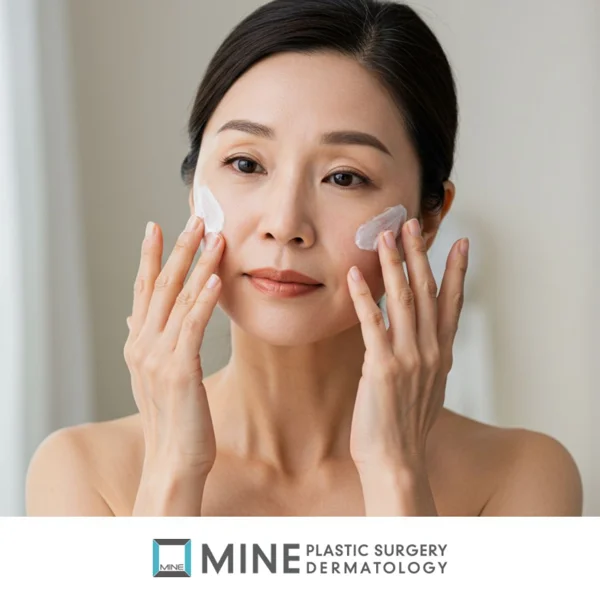
While a facelift can provide significant rejuvenation, maintaining the results requires ongoing effort. To prolong the effects of your facelift:
- Adopt a comprehensive skincare routine
- Protect your skin from sun damage
- Maintain a stable weight
- Stay hydrated and eat a balanced diet
- Consider non-surgical treatments like Botox or fillers for touch-ups
- Avoid smoking and excessive alcohol consumption
By taking good care of your skin and overall health, you can enjoy the benefits of your facelift for many years to come.
Conclusion
Facelift surgery can provide substantial benefits for those looking to address visible signs of aging and restore a more youthful appearance. However, it’s crucial to approach the decision with thorough research and realistic expectations. By understanding the procedure’s effects, potential risks, and financial considerations, you can make an informed choice about whether a facelift is right for you.
Remember that while a facelift can enhance your appearance, true beauty comes from within. A positive outlook, healthy lifestyle, and self-confidence are just as important as any surgical intervention.
For more detailed information on aesthetic surgeries, including facelifts, refer to the Essentials of Aesthetic Surgery, which provides comprehensive insights from experienced surgeons. Additionally, consulting with board-certified plastic surgeons and reading patient testimonials can offer valuable perspectives as you consider this transformative procedure.