EN
EN

Table of contents
When patients ask me about facelift results, the first thing they want to know is how much younger they can really look. My honest answer is that realistic facelift results make most people look roughly five to ten years younger, not a decade-and-a-half overnight. A facelift, or rhytidectomy, is a cosmetic procedure that repositions the deeper support layer of the face and removes excess skin to restore a more youthful, natural contour. In this guide, I’ll walk you through the various aspects of facelift procedures, what drives your facelift results, what you can realistically expect, and what shapes your long-term facelift results.
Understanding Facelift Procedures
Facelifts come in various forms, from traditional full facelifts to more modern limited incision facelifts (LIFs). These procedures share a common goal: to tighten sagging skin, reposition the deeper soft tissue, and restore a more youthful contour to the face and neck. It helps to picture the face as a set of layers — beneath the skin sits the SMAS (the muscle-and-membrane support layer that holds facial tissue in place). A facelift lifts and resecures this layer; it restores contour, but it does not stop the clock on aging.
The choice of procedure depends on individual needs, facial structure, and desired outcomes. In recent years, many patients have also shown interest in Korean face lift techniques, which emphasize subtle enhancements and natural-looking results. These methods often incorporate advanced skin rejuvenation therapies, such as thread lifts and innovative injectable treatments, to complement traditional surgical options. Ultimately, the right choice will align with the patient’s aesthetic goals and the expertise of their chosen surgeon.

Types of Facelifts
- Traditional Facelift: This comprehensive approach addresses the mid-face, jowls, and neck. It typically involves incisions along the hairline, around the ears, and under the chin. This technique allows for significant repositioning of deeper tissues and removal of excess skin, resulting in a more dramatic rejuvenation.
- Mini Facelift: A less invasive option focusing on the lower face and jowls. This procedure is ideal for patients with early signs of aging and involves shorter incisions, usually around the ears. While the results may be less dramatic than a full facelift, the recovery time is generally shorter.
- Limited Incision Facelift (LIF): A technique that aims to minimize scarring while still providing significant rejuvenation. LIFs often combine elements of both traditional and mini facelifts, tailoring the approach to the patient’s specific needs. This method has gained popularity due to its ability to provide substantial improvements with reduced downtime.
- Mid-face Lift: This procedure specifically targets the cheek area, addressing sagging in the middle portion of the face. It can be particularly effective for improving nasolabial folds and restoring volume to the cheeks.
- Neck Lift: Often performed in conjunction with a facelift, a neck lift focuses on removing excess skin and fat from the neck area, creating a more defined jawline and smoother neck contour.
Facelift Results: How Much Younger to Expect
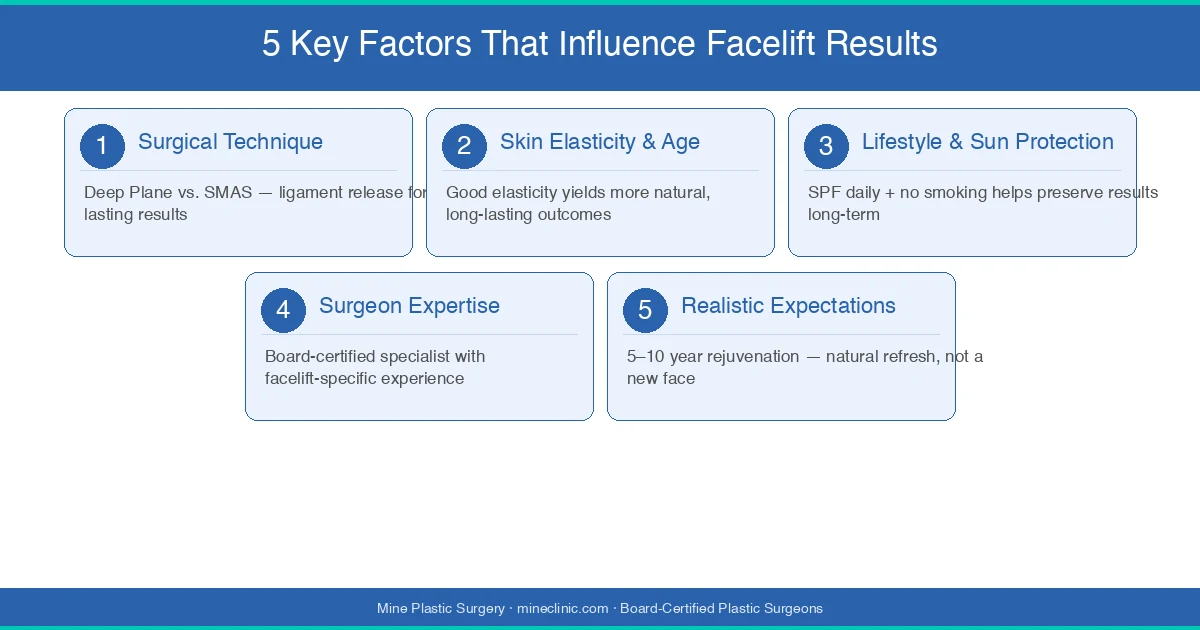
While a facelift can certainly make you look younger, it’s crucial to have realistic expectations about your facelift results. On average, patients can expect to look about 5-10 years younger after a facelift procedure. So when people ask about facelift results, this 5-10 year range is the realistic, honest answer. However, your facelift results can vary depending on several factors:
- Age at the time of surgery: Younger patients with good skin elasticity often see more dramatic results.
- Skin quality and elasticity: Patients with better skin quality typically achieve more natural-looking and longer-lasting results.
- Overall health and lifestyle: Non-smokers with a healthy lifestyle tend to heal better and maintain results longer.
- Surgical technique used: Advanced techniques can lead to more natural-looking outcomes.
- Skill of the surgeon: An experienced, board-certified plastic surgeon is more likely to achieve a strong result.
It’s important to note that a facelift cannot stop the aging process entirely. Your face will continue to age naturally after the procedure, but you will likely always look younger than you would have without the surgery. The goal is to “turn back the clock,” not to completely alter your appearance or make you look like a different person.
It also helps to know when your facelift results actually appear, because the “younger” look is not instant. In the first one to two weeks, swelling and bruising mask the change, and many patients feel they look worse before they look better — this is normal. Most of the swelling settles over the following weeks, and by around the second or third month the contour starts to look natural. The final facelift results usually keep refining for several months as the deeper tissues fully settle and any residual firmness softens. Because of this gradual timeline, I always tell patients to judge their outcome at the three-to-six-month mark rather than in the first few weeks.
How much younger you ultimately look comes down to where the aging is coming from. A facelift is very effective for sagging that originates in the deeper support layer — loose jowls, a heavy jawline, and a slack neck — because it lifts and re-anchors that layer. It does less for changes that live in the skin’s surface, such as fine lines, sun damage, and uneven tone, which is why surface treatments like resurfacing or skincare are often paired with surgery. Volume loss in the cheeks is another factor a lift alone cannot fully address. Matching the right tool to the right problem is what produces facelift results that look refreshed rather than “operated on.”
Factors Influencing Results
Surgical Technique
The choice of surgical technique can significantly impact the outcome of your facelift. Limited Incision Facelifts (LIFs) have gained popularity due to their ability to provide rejuvenation while minimizing scar visibility. These techniques can lead to decreased postoperative swelling and shorter recovery periods, which may contribute to a more natural-looking result.
Advanced techniques such as the deep plane facelift or SMAS (Superficial Musculo-Aponeurotic System) facelift tend to last longer, and it helps to understand why. Rather than simply pulling the skin tight, these methods work on the deeper support layer. The deep-plane approach releases the small anchoring tissues (the retaining ligaments) that tether the SMAS to the bone, so the whole layer can be lifted freely and then resettle into a higher position.
As the face heals, those anchoring tissues reattach and resume their natural job of resisting the downward pull of gravity. Because the lift is built on this deeper, re-anchored support rather than on skin tension alone, the result tends to be more stable and longer-lasting. This is exactly why deep-plane and SMAS techniques are favored for patients with significant sagging or those seeking more durable facelift results.
This also explains why some methods fade faster than others. Techniques that simply stitch the SMAS layer in place (a method called plication) without first releasing those anchoring ligaments are, in effect, pulling against the ligaments from the very start. Over the years, that constant downward tension can cause the stitches to slowly give way — surgeons sometimes describe this as the sutures “cheese-wiring” through soft tissue. The deep-plane approach sidesteps the problem: by releasing the ligaments first and letting them re-anchor on their own, the lifted tissue resists gravity by itself instead of leaning on stitches alone. This biomechanical difference is the main reason a deep-plane facelift tends to hold its lift far longer than plication-only techniques.
Surgeon’s Expertise
The skill and experience of your surgeon play a crucial role in achieving a strong, natural result. When choosing a facelift specialist, look for board-certified plastic surgeons with extensive experience in facial rejuvenation procedures. Key factors to consider include:
- Board certification in plastic surgery
- Specialization in facial procedures
- Before and after photos of previous patients
- Patient reviews and testimonials
- The surgeon’s approach to individualized treatment plans
A skilled surgeon will not only perform the procedure effectively but also guide you in choosing the most appropriate technique for your unique facial structure and goals.
Complementary Procedures
To maximize the rejuvenating effects of a facelift, many patients opt for complementary procedures such as:
- Brow lift: Addresses sagging in the forehead and eyebrow area.
- Eyelid surgery (blepharoplasty): Removes excess skin and fat from the upper and lower eyelids.
- Skin resurfacing treatments: Such as laser therapy or chemical peels to improve skin texture and tone.
- Fat grafting: Adds volume to areas of the face that have lost fullness due to aging.
- Dermal fillers: Can complement a facelift by addressing fine lines and wrinkles.
These additional treatments can enhance the overall youthful appearance achieved by the facelift, providing a more comprehensive rejuvenation.
Assessing Results
Objective Measurements
Researchers have developed methods to objectively assess facial rejuvenation after procedures like facelifts. These assessments can provide quantifiable data on the degree of improvement in facial features and perceived age. Some of these methods include:
- 3D imaging technology to measure changes in facial volume and contours
- Computerized analysis of wrinkle depth and skin texture
- Standardized photography to compare pre- and post-operative appearances
These objective measurements can help both patients and surgeons better understand the extent of improvement achieved through facelift surgery.
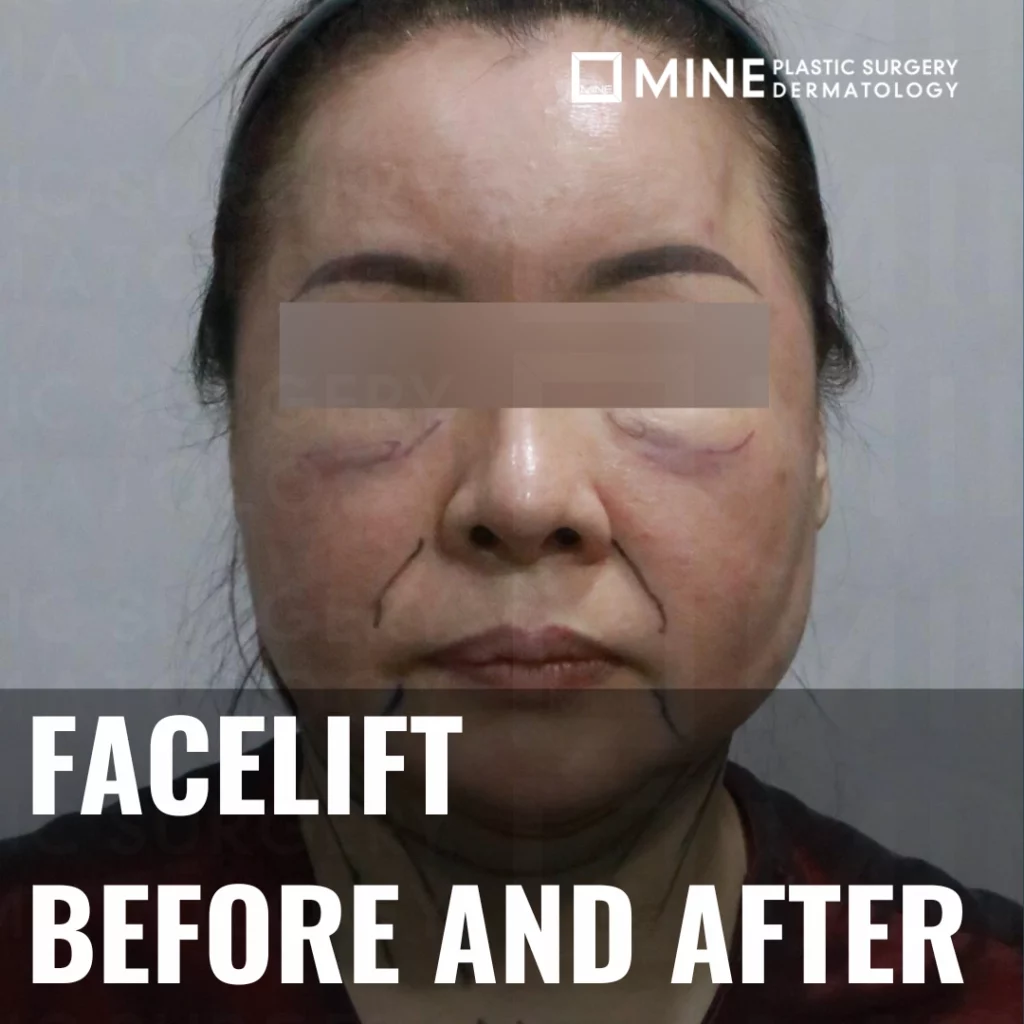
Before and After Photos
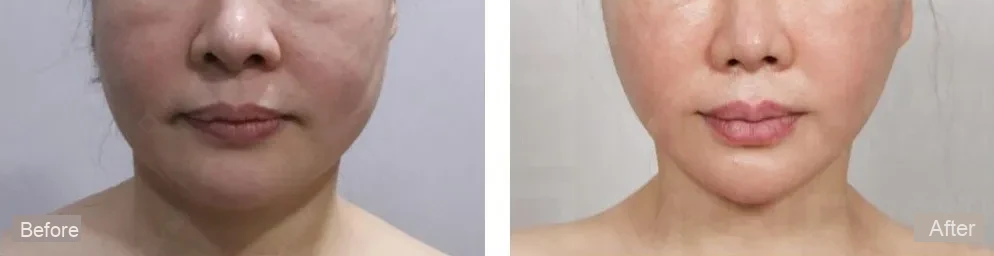
Analyzing before and after photos is an excellent way to understand the potential effects of a facelift. Look for patients with similar facial structures and concerns to get a realistic idea of what you might achieve. When reviewing these photos, pay attention to:
- Improvement in jowl definition
- Reduction of nasolabial folds (smile lines)
- Enhanced jawline contour
- Smoother neck appearance
- Overall facial harmony and natural-looking results
Remember that every patient is unique, and your results may vary. However, before and after photos can provide valuable insights into a surgeon’s skill and the potential outcomes of different facelift techniques.
Maintaining Results
Protecting your facelift results over the long term comes down to a combination of daily habits and periodic professional care. To prolong the effects of your facelift and maintain a youthful appearance, consider the following tips:
- Sun Protection: Always use a broad-spectrum sunscreen with at least SPF 30 and protect your face from excessive sun exposure. UV rays can accelerate skin aging and potentially compromise your facelift results.
- Skincare Routine: Maintain a good skincare regimen with quality products suited to your skin type. This may include:
- Gentle cleansers
- Moisturizers with hyaluronic acid or ceramides
- Retinoids for collagen stimulation
- Antioxidant serums to protect against free radical damage
- Healthy Lifestyle: Stay hydrated, eat a balanced diet rich in antioxidants, and avoid smoking. Regular exercise can improve circulation and contribute to overall skin health.
- Non-Surgical Treatments: Consider periodic non-invasive treatments like Botox or fillers to complement your facelift results. These can help address fine lines and wrinkles that may develop over time.
- Follow-up Care: Attend all scheduled follow-up appointments with your surgeon and follow their long-term care recommendations.
- Stress Management: Practice stress-reduction techniques like meditation or yoga, as chronic stress can accelerate the aging process.
- Sleep Habits: Get adequate sleep and consider using a silk pillowcase to reduce friction on your skin while sleeping.
Potential Complications
While facelifts can provide significant rejuvenation, it’s important to be aware of potential complications. The reported overall complication rate for Limited Incision Facelifts is relatively low at about 3.2%, with hematoma being the most commonly reported issue (around 2%). Other potential risks include:
- Infection
- Nerve injury
- Skin necrosis
- Asymmetry
- Unfavorable scarring
To minimize risks, follow your surgeon’s pre- and post-operative instructions carefully. This may include:
- Stopping certain medications before surgery
- Quitting smoking well in advance of the procedure
- Avoiding strenuous activities during the recovery period
- Wearing compression garments as directed
- Attending all follow-up appointments
Long-Term Results and Aging Process
While a facelift can provide significant rejuvenation, it’s important to understand that the natural aging process will continue. However, patients who undergo facelift surgery typically continue to look younger than their actual age for many years following the procedure.
The longevity of facelift results can vary, but many patients enjoy the benefits for about 7-10 years or more. It also helps to understand why the face keeps aging even after a successful lift. Facial aging is largely driven by the gradual loosening of the small anchoring tissues (the retaining ligaments) and the SMAS support layer beneath the skin. As these supports weaken with age, the deeper fat and skin they once held in place slowly drift downward, which is what creates sagging in the first place.
A facelift repositions and re-secures that support, but it cannot freeze the biological aging that continues afterward. This is why your face will keep changing over time, and why some patients later choose minor touch-ups to refresh their facelift results. Factors that can influence how long your facelift results last include:
- The type of facelift performed
- The patient’s age at the time of surgery
- Skin quality and elasticity
- Lifestyle factors (sun exposure, smoking, diet, etc.)
- Genetics
Some patients choose to have minor “touch-up” procedures or non-surgical treatments in the years following their facelift to maintain their results. Your plastic surgeon can advise you on a suitable long-term plan for maintaining your youthful appearance.
Psychological Impact
The effects of a facelift extend beyond physical appearance. Many patients report improved self-confidence and a more positive self-image following the procedure. However, it’s important to have realistic expectations and understand that a facelift is not a solution for deeper psychological issues.
Before undergoing a facelift, consider the following:
- Your motivations for seeking the procedure
- Your expectations for the outcome
- How you anticipate the surgery will impact your life
A consultation with a mental health professional can be beneficial for some patients to ensure they are in the right mindset for cosmetic surgery.

Frequently Asked Questions (FAQ)
Q1. How much younger will I actually look after a facelift?
Most patients look approximately 5–10 years younger after a facelift. The exact result depends on your age at the time of surgery, skin elasticity, the technique used, and your surgeon’s skill. A facelift turns back the clock — it doesn’t change who you are.
Q2. At what age should I consider getting a facelift?
There’s no fixed “right age.” Most patients are between their mid-40s and mid-60s, but candidacy depends more on skin laxity, facial volume loss, and overall health than on a specific number. Younger patients with early sagging may benefit from a mini facelift, while those with more advanced signs of aging may need a traditional or SMAS facelift. You can learn more about the right age for a facelift in our dedicated guide.
Q3. Will there be visible scars?
Incisions are carefully placed along the hairline, around the ears, and sometimes under the chin so that scars are well-hidden. With proper healing and post-operative care, scars usually fade significantly and become barely noticeable over time.
Q4. Can a facelift be combined with other procedures?
Yes. Many patients combine a facelift with a brow lift, eyelid surgery (blepharoplasty), neck lift, fat grafting, or skin resurfacing for more comprehensive rejuvenation. Combining procedures in a single surgical session can also reduce overall recovery time. For more detail, see our guide on combining a facelift with a neck lift.
Conclusion
A facelift can indeed help you look significantly younger, typically by about 5-10 years. However, the exact results will vary from person to person. By having realistic expectations, choosing a skilled surgeon, and maintaining a healthy lifestyle, you can maximize the rejuvenating effects of your facelift and enjoy a more youthful appearance for years to come.
Remember that a facelift is a significant decision that requires careful consideration. Take the time to research thoroughly, consult with board-certified plastic surgeons, and reflect on your personal goals before proceeding with the surgery. If you are also concerned about neck laxity, learn how our face and neck lift procedure can address both areas in a single session. To see real facelift results from our patients, you can review before and after cases or book a personal consultation with our specialists.
For more information on facelift procedures and their effects, visit the American Society of Plastic Surgeons for expert insights and resources. Additionally, consider scheduling consultations with multiple surgeons to discuss your options and find the most suitable approach for your individual needs.
※ This content is for informational purposes only and does not replace professional medical advice, diagnosis, or treatment. Individual results may vary, and side effects may occur. Please consult with a board-certified plastic surgeon for personalized advice.
※ This content is for informational purposes only and does not replace professional medical advice, diagnosis, or treatment. Individual results may vary, and side effects may occur. Please consult with a board-certified plastic surgeon for personalized advice.