EN
EN

Table of Contents
Understanding Salivary Gland Reduction and Double Chin Surgery
What is salivary gland reduction? Salivary gland reduction is a surgical procedure that partially trims the submandibular glands (the saliva-producing glands that sit just beneath the jaw) to slim a heavy or rounded jawline. In aesthetic surgery, only the superficial part of the gland is reduced, never the entire gland, so normal saliva production is preserved while the bulging contour disappears.
Many international patients seeking a refined jawline in Korea discover that achieving optimal results often requires addressing multiple concerns simultaneously. Salivary gland reduction specifically targets enlarged submandibular glands that create bulkiness along the lower face, while double chin surgery eliminates stubborn fat deposits beneath the chin that resist diet and exercise. As we explain in our guide on why liposuction alone doesn’t fully resolve a double chin, some of what looks like fatty fullness is actually enlarged glandular tissue.
The combination of these procedures creates a comprehensive jawline transformation that Korean plastic surgeons have perfected over decades. At Mine Clinic in Seoul, this dual approach addresses both structural and aesthetic concerns in a single surgical session, optimizing your recovery time and travel schedule.
Why patients combine these procedures:
- Enlarged salivary glands and submental fat often coexist, creating jawline heaviness
- Single recovery period instead of two separate surgeries
- More harmonious, balanced facial contour results
- Cost-effective for international medical tourists
- Comprehensive solution addressing the root causes of jawline concerns
Understanding proper post-operative care after salivary gland reduction is essential for achieving the defined, V-line jawline that brings many patients to Korea. This guide provides detailed instructions reviewed by board-certified surgeons to ensure your recovery is smooth and successful.
The Combined Procedure at Mine Clinic
At Mine Clinic, the combined salivary gland reduction and double chin surgery typically takes between 120 and 150 minutes under sedation anesthesia, depending on the extent of correction needed.
Surgical technique overview:
The procedure begins with double chin liposuction using micro-cannulas through tiny incisions beneath the ear. Advanced tumescent technique minimizes bleeding and trauma to surrounding tissues. Following the initial fat removal, the surgeon accesses the submandibular salivary glands through a separate incision placed along the first double chin crease, carefully reducing their size while preserving essential ductal function.
The glands are partially resected or debulked based on individual anatomy, never completely removed. This meticulous approach maintains normal saliva production while eliminating the bulging appearance.
What makes Mine Clinic’s approach unique:
- High-definition endoscopic monitoring throughout the procedure
- Preservation of marginal mandibular nerve to prevent smile asymmetry
- Strategic fat redistribution techniques when appropriate
- Compression garment customization for optimal healing
- Real-time assessment of jawline symmetry during surgery
Before leaving the operating room, your surgeon will apply sterile dressings and fit you with a specialized compression garment that plays a crucial role in your recovery process.
Immediate Post-Surgery Care (Days 1-3)
The first 72 hours after your combined salivary gland reduction and double chin surgery are critical for establishing proper healing patterns and minimizing complications. International patients staying in Seoul will receive detailed care instructions from Mine Clinic’s dedicated post-operative team.
Day 1 post-surgery priorities:
You’ll wake up wearing a compression garment that must remain in place continuously except during supervised cleaning. Expect moderate swelling, tightness, and numbness around your jawline and neck. These sensations are completely normal. A small drainage tube may be present to prevent fluid accumulation, typically removed within 24 to 48 hours at the clinic. The use of a medical drain is decided during surgery.
Keep your head elevated at 30 to 45 degrees even while sleeping. Use two to three pillows or a wedge pillow to maintain this position. Elevation significantly reduces swelling and promotes proper drainage. Avoid lying completely flat during the first week.
Managing discomfort and medication:
Mine Clinic prescribes medication including antibiotics to prevent infection, anti-inflammatory drugs to control swelling, strong pain relievers, and saliva-control medication. Take all medications exactly as prescribed. Pain typically peaks on day two and gradually diminishes thereafter.
Apply cold compresses around (not directly on) the surgical site for 15 minutes every hour while awake during the first 48 hours. Use ice packs wrapped in clean cloth to avoid direct skin contact. This reduces swelling and provides natural pain relief.
Compression garment protocol:
Your specialized jaw compression garment must be worn 24 hours daily for the first two weeks, then 12 hours daily for weeks three and four. This garment serves multiple critical functions: controlling swelling, supporting healing tissues, preventing fluid accumulation, and helping skin retract to your new contour.
Remove the garment only for gentle cleaning and garment washing as instructed by your surgeon. You may also remove the garment while eating, and short breaks from the compression band are permitted.
Warning signs requiring immediate attention:
Contact Mine Clinic’s 24/7 international patient contact (+82 10 3476 1175) immediately if you experience: excessive bleeding, severe asymmetric swelling on one side, fever above 38°C (100.4°F), difficulty breathing or swallowing, increasing pain not controlled by medication, or signs of infection including redness, warmth, or foul-smelling discharge.
Recovery Timeline: Week by Week
Understanding what to expect during each phase of recovery helps international patients plan their stay in Korea and manage expectations realistically.
Week 1: Initial healing phase
Swelling peaks between days three and five, then gradually begins subsiding. Your jawline will appear fuller than the final result due to inflammation. Bruising may extend down your neck and across your lower face, changing from purple to green-yellow as it resolves.
You’ll return to Mine Clinic on day three for your first follow-up appointment. During this visit, your surgeon removes hemostatic net sutures or drainage tubes and evaluates your healing progress. At the second follow-up appointment on day seven, all sutures are removed and the doctor will check on the healing process. High frequency massage treatment is done to help with drainage.
Most international patients feel comfortable enough to do light sightseeing in Seoul by day three, though you must continue wearing your compression garment and avoiding strenuous activities.
Week 2: Transition phase
Swelling decreases noticeably by day ten to fourteen. You’ll begin seeing hints of your new jawline contour, though residual fullness remains. Numbness and tightness around the surgical area are normal and will gradually resolve over several weeks to months.
If your schedule permits, you can schedule final check-up before your departure date.
Many international patients feel confident returning home after two weeks, though some choose to extend their stay in Korea to three weeks for additional monitoring and peace of mind.
Weeks 3-4: Visible improvement
By week three, approximately 50 to 60 percent of swelling has resolved. Your jawline definition becomes increasingly apparent. You can reduce compression garment wear to nighttime only if approved by your surgeon. Some patients experience minor asymmetric swelling that eventually balances out.
Months 2-3: Refined results
Residual swelling continues dissipating. Your jawline becomes progressively sharper and more defined. Firmness or induration (hardness) beneath the jaw is common at this stage and, according to surgical studies, can occasionally take up to three months to fully soften; gentle massage and careful head positioning help the tissues drain and settle. Sensation gradually returns to areas of temporary numbness, though some patients report altered sensation that may persist for six months. For a closer look at how the glands are reduced to refine the jaw, see our detailed guide to salivary gland reduction for the jawline.
Month 6 and beyond: Final outcome
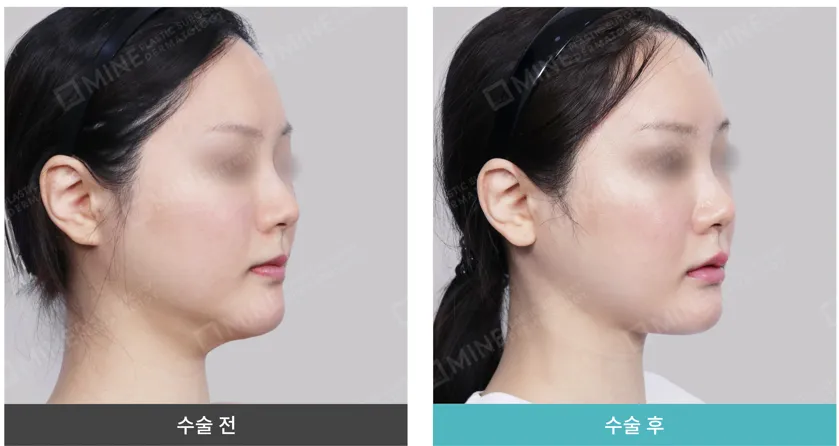
Your final results emerge around six months post-surgery when all swelling completely resolves and tissues fully settle into their new position. The combination of salivary gland reduction and double chin removal creates a lasting, naturally contoured jawline that maintains its appearance with stable weight.
Why Choose Korea and Mine Clinic for Jawline Contouring
South Korea’s reputation for facial contouring excellence stems from decades of surgical innovation, cultural emphasis on facial harmony, and surgeons who perform these specific procedures at exceptionally high volumes.
Korean expertise in combined jawline procedures:
Korean plastic surgeons pioneered many minimally invasive techniques for facial contouring that are now adopted worldwide. The combination of salivary gland reduction with liposuction requires precise anatomical knowledge and delicate surgical skill that comes from extensive experience.
At Mine Clinic in Gangnam, Seoul’s premier medical district, Dr. Lee performs jawline contouring procedures regularly, developing refined techniques that minimize complications and optimize aesthetic outcomes. This specialization translates to superior results compared to surgeons who perform these procedures occasionally.
Comprehensive international patient support:
Mine Clinic’s international patient services include English-speaking coordinators available throughout your journey, airport pickup arrangements, hotel recommendations near the clinic, emergency contact, and detailed post-operative instructions designed for travelers.
The clinic’s location in Gangnam provides convenient access to medical-tourism-friendly accommodations, pharmacies with English-speaking staff, and recovery-friendly restaurants offering appropriate post-surgery meals.
Cost considerations:
While consultation is required for personalized pricing, international patients typically find that comprehensive jawline procedures in Korea cost significantly less than equivalent treatments in Western countries, even accounting for travel expenses. The value proposition includes not only the procedure itself but also the expertise, technology, and recovery support that contribute to superior results.
Important: Risks, Side Effects & Safety Measures
As with any surgical procedure, salivary gland reduction combined with double chin surgery carries potential risks and side effects that must be understood before proceeding. According to the surgical literature, the recognized risks of submandibular gland reduction include temporary swelling and firmness, bruising, seroma or hematoma (fluid or blood collection), sialocele (a pocket of saliva), salivary fistula, temporary nerve weakness affecting the smile, and short-lived dry mouth — though serious complications are uncommon in experienced hands. Mine Clinic prioritizes transparency and patient safety by thoroughly discussing these concerns during your consultation.
Common expected side effects:
- Swelling and bruising lasting three to eight weeks
- Temporary numbness or altered sensation in the jaw, chin, and lower lip
- Tightness and mild discomfort during healing
- Temporary difficulty with full jaw opening
- Minor asymmetry during the healing process
- Firmness or hardness in treated areas that gradually softens
- Temporary mouth dryness
These effects are normal parts of recovery and resolve without intervention as healing progresses.
Potential complications (rare but possible):
- Infection: Prevented through prophylactic antibiotics and sterile technique. Signs include fever, increasing redness, warmth, and discharge.
- Hematoma or seroma: Blood or fluid collection requiring drainage. Minimized through compression garments and proper head elevation.
- Nerve injury: Temporary weakness in the lower lip or asymmetric smile if the marginal mandibular nerve is affected. Permanent injury is extremely rare with experienced surgeons using endoscopic visualization.
- Salivary gland complications: Altered saliva production or temporary duct obstruction. Careful surgical technique preserves gland function while reducing size.
- Contour irregularities: Uneven results requiring revision, prevented through meticulous surgical technique and appropriate post-operative care.
- Skin changes: Rarely, excessive skin removal or poor skin retraction may occur in patients with reduced skin elasticity.
According to the American Society of Plastic Surgeons, complication rates for facial contouring procedures performed by board-certified specialists remain low, typically under five percent.
Mine Clinic’s safety protocols:
Your safety begins with comprehensive pre-operative evaluation including medical history review, physical examination, laboratory testing, and realistic discussion of expected outcomes. Surgeons decline to operate if any contraindications exist.
During surgery, continuous monitoring of vital signs, use of proven surgical techniques, and focus on anatomical preservation minimize risk. Post-operatively, regular follow-up appointments catch potential issues early when they’re most easily addressed.
Mine Clinic’s surgical observation and safety systems ensure accountability and quality control throughout your surgical experience.
Optimizing your safety as an international patient:
Be completely honest about your medical history, current medications, and supplements. Certain substances increase bleeding risk or interfere with anesthesia. Follow all pre-operative instructions precisely, including fasting requirements and medication adjustments.
Diet and Nutrition During Recovery
Proper nutrition supports healing after salivary gland reduction while dietary modifications prevent stress on your surgical sites during the initial recovery period.
First 3 days: Liquid and soft food diet
Immediately after surgery, stick to cool or room-temperature liquids and very soft foods that require minimal chewing. Your jaw will be swollen and tender, making normal eating uncomfortable and potentially harmful to healing tissues.
Recommended foods:
- Protein shakes and smoothies (avoid using straws)
- Yogurt and pudding
- Lukewarm soup broths
- Mashed potatoes or sweet potatoes
- Soft-cooked eggs
- Well-blended porridge or congee (juk, easily found in Seoul)

Seoul offers numerous restaurants and convenience stores with recovery-friendly options. Your Mine Clinic coordinator can recommend nearby establishments familiar with post-surgery dietary needs.
Days 4-14: Gradual progression
As swelling decreases and comfort improves, gradually introduce soft foods requiring gentle chewing. Continue avoiding anything tough, chewy, crunchy, or requiring wide jaw opening.
Suitable options:
- Steamed fish
- Soft tofu dishes
- Well-cooked rice
- Soft fruits like bananas and melon
- Scrambled eggs
- Pasta with soft sauces
Foods to avoid for 3-4 weeks:
- Tough or chewy meats
- Raw vegetables and salads requiring significant chewing
- Crunchy foods like chips or nuts
- Sticky foods like caramel or gum
- Very hot foods or beverages that may increase swelling
- Alcohol, which interferes with healing and medication
- Spicy foods that may cause discomfort
Hydration and supplements:
Drink plenty of water throughout recovery to support healing and help flush medications from your system. Aim for eight to ten glasses daily. Your surgeon may recommend specific supplements like vitamin C or bromelain to support tissue repair and reduce inflammation.
Week 3 and beyond:
Most patients can return to normal eating by week three, though some continue experiencing mild jaw stiffness. Listen to your body and progress at a comfortable pace. If any foods cause pain or excessive jaw fatigue, continue avoiding them until healing advances further.
Activity Restrictions and When to Resume Normal Life
Gradually reintroducing activities after salivary gland reduction ensures proper healing while preventing complications that could compromise your results.
First week: Rest and restriction
Focus on rest and recovery. Avoid all strenuous activities including exercise, heavy lifting (over 5kg), bending, and vigorous household tasks. Even light activities can increase blood pressure and swelling.
Walking is encouraged for circulation but keep pace gentle and avoid overheating. Seoul’s extensive subway system and abundant taxis make getting around convenient without excessive physical exertion.
Weeks 2-3: Light activities resume
If healing progresses normally, you can gradually increase activity levels. Light walking for 20 to 30 minutes is beneficial. Continue avoiding exercise that elevates heart rate significantly or causes jarring movements.
Most international patients feel comfortable flying home after two weeks, though long flights may cause temporary increased facial swelling due to cabin pressure and dehydration. Stay well hydrated during travel and continue wearing your compression garment as directed.
Weeks 4-6: Return to moderate exercise
Around week four, pending surgeon approval, you can resume moderate cardiovascular exercise like brisk walking, stationary cycling, or light jogging. Avoid contact sports, activities with fall risk, or anything that could impact your face and jaw.
Weight training can gradually resume with lighter weights and higher repetitions. Avoid exercises requiring jaw clenching or teeth grinding, such as heavy deadlifts or maximal effort movements.
6 weeks: Full activity clearance
Most patients receive clearance for unrestricted activity around six weeks post-surgery. This includes contact sports, vigorous exercise, and any other physical activities. Your surgeon will confirm clearance based on your individual healing progress.
Additional lifestyle considerations:
- Sun exposure: Protect surgical areas from direct sun for three months to prevent hyperpigmentation. Use SPF 50+ sunscreen and wear hats when outdoors in Seoul.
- Smoking and alcohol: Avoid both for at least four weeks. Smoking severely impairs healing and increases complication risk.
- Dental work: Postpone routine dental appointments for six weeks or until your surgeon clears you. Inform your dentist about your recent surgery.
- Sleeping position: Continue sleeping with head elevated for two to three weeks even after acute swelling resolves.
Long-Term Results and Maintenance
The results of combined salivary gland reduction and double chin surgery are designed to be permanent, though maintaining them requires reasonable lifestyle practices.
What to expect long-term:
Once fully healed at six months, your refined jawline should remain stable indefinitely. The removed fat cells and reduced salivary gland tissue do not regenerate. Your facial contour will age naturally but maintain the improved definition created by surgery.
Weight fluctuations affect results. Significant weight gain (over 5-10 kg) may cause some fat accumulation in the neck and jawline area, though typically less than before surgery since fat cell numbers are reduced. Maintaining stable weight through healthy diet and regular exercise preserves optimal results.
Complementary treatments:
Some patients enhance and maintain their surgical results with non-invasive treatments available at Mine Clinic’s dermatology department. Options include Ulthera skin tightening, thread lifts for additional support, or strategic Botox in the masseter muscles if jaw clenching is a concern.
These maintenance treatments are optional and discussed during follow-up consultations based on your individual aging patterns and aesthetic goals.
When to consider revision:
Revision surgery is rarely needed after properly performed salivary gland reduction and double chin contouring. However, if you’re dissatisfied with your outcome after complete healing (six to twelve months), Mine Clinic offers revision consultations to discuss options.
Realistic expectations set during initial consultation prevent most dissatisfaction. The Real Story section showcasing actual patient results helps prospective patients understand achievable outcomes.
Aging and your results:
As you age, skin elasticity naturally decreases and facial tissues descend due to gravity. Your jawline will age more gracefully than without surgery, but you may eventually consider additional procedures like a mini neck lift or SMAS facelift to address age-related changes.
Many patients who undergo jawline contouring in their twenties or thirties enjoy their results for decades before considering additional anti-aging procedures.
Frequently Asked Questions
How long should I stay in Korea after combined salivary gland reduction and double chin surgery?
The recommended minimum stay is two weeks to allow for initial healing, suture removal, and first follow-up appointments at Mine Clinic. This timeframe lets your surgeon monitor early recovery and address any concerns before you travel home. Some patients choose to extend to three weeks for additional security, especially if traveling from distant locations. Extended stay also allows you to experience Seoul’s culture and attractions during your recovery period while remaining close to medical support.
Will I have visible scars from these procedures?
Incisions for both salivary gland reduction and double chin liposuction are strategically placed in natural creases beneath the chin and jaw where they become virtually imperceptible once healed. Korean surgeons excel at minimizing scarring through meticulous closure techniques and placement in shadow areas. Most scars fade to thin, barely visible lines within six to twelve months. Mine Clinic may recommend specific scar treatments during follow-up if needed, though significant scarring is rare.
Can I combine these procedures with other facial surgeries?
Yes, many international patients combine salivary gland reduction and double chin surgery with complementary procedures during the same surgical session. Common combinations include V-line jaw reduction, chin surgery, or mini facelift for comprehensive facial transformation. Combining procedures optimizes your time in Korea and recovery period. However, surgical combinations must be carefully evaluated for safety. During consultation, Mine Clinic’s surgeons assess whether additional procedures are appropriate based on surgical duration, anesthesia time, and individual health factors.
What happens if I experience complications after returning home?
Mine Clinic maintains contact with international patients throughout recovery regardless of location. If complications arise after you’ve returned home, immediately contact the clinic’s international patient coordinator via WhatsApp or email with photos and description of your concerns. In many cases, issues can be managed with guidance from the surgical team. For serious complications requiring in-person evaluation, Mine Clinic works with your local physicians to coordinate care and, if necessary, can arrange your return to Seoul for revision or treatment. This comprehensive aftercare commitment distinguishes Mine Clinic’s approach to international patient safety.
How does salivary gland reduction affect my ability to produce saliva?
Salivary gland reduction procedures at Mine Clinic involve partial size reduction, never complete removal of the glands. Your body has multiple salivary glands including the parotid, sublingual, and numerous minor glands throughout your mouth. The submandibular glands addressed in this procedure contribute only a portion of total saliva production. After carefully planned reduction, remaining gland tissue continues functioning normally. Most patients experience no noticeable change in saliva production or oral comfort. Temporary dryness occasionally occurs immediately post-surgery but resolves as tissues heal and glands adjust to their new size.
Schedule Your Consultation Today
Achieving a refined, contoured jawline through combined salivary gland reduction and double chin surgery requires expert surgical skill and comprehensive post-operative care. At Mine Clinic in Seoul, board-certified surgeons combine advanced Korean techniques with personalized attention to international patients, ensuring optimal results and smooth recovery. (submandibular gland removal)
Interested in this procedure? Contact Mine Clinic today for a personalized online consultation. We are ready to assist you on WhatsApp and guide you through your K-Beauty journey in Seoul.
Contact us on WhatsApp or by email!
※ This content is for informational purposes only and does not replace professional medical advice, diagnosis, or treatment. Individual results may vary, and side effects may occur. Please consult with a board-certified plastic surgeon for personalized advice.
Reviewed by Dr. Lee Sung-wook, Board Certified Plastic Surgeon at Mine Clinic