EN
EN

Ulthera (Ultherapy) is a non-surgical, FDA-cleared skin-tightening treatment that uses micro-focused ultrasound to heat the deep support layer of the face (the SMAS), and it is designed to firm skin rather than remove fat. So can Ulthera cause hollow cheeks? In a properly performed treatment it should not, but when the ultrasound energy is set too high or aimed too deep, the heat can reach the fat layer and trigger volume loss. With demand for minimally invasive aesthetic procedures rising, understanding the real relationship between Ulthera and facial volume is essential before you book. This guide explains the science behind Ulthera in plain language, separates the genuine risk of fat atrophy from simple skin-tightening effects, and shows the combination approaches that maximize lift while protecting your cheeks.
Table of Contents
Understanding Ulthera Technology
Ulthera, also known as Ultherapy, represents a breakthrough in non-surgical skin tightening technology. This FDA-cleared treatment uses micro-focused ultrasound energy to reach deeper skin layers that previously could only be addressed through surgical facelifts. If you want the full picture first, our ultimate Ultherapy guide walks through principles, results, and the treatment process, while our deep dive into the HIFU science behind collagen renewal explains exactly how the ultrasound stimulates new collagen.
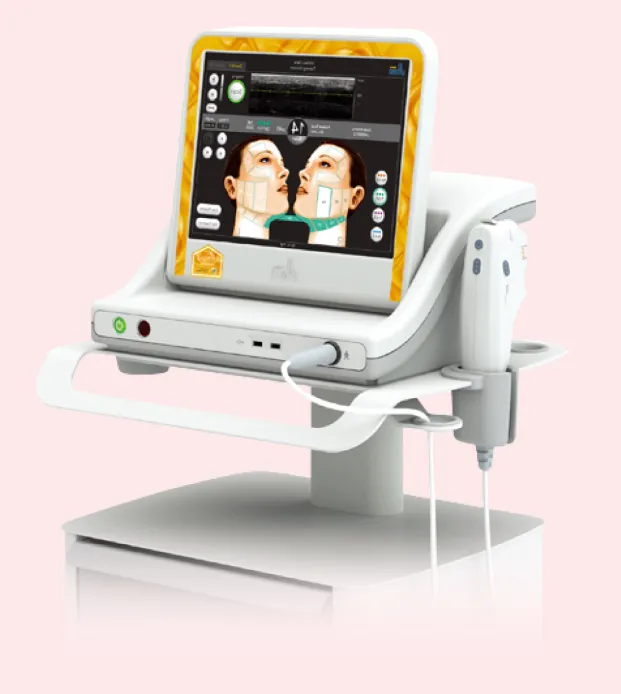
How Ulthera Works
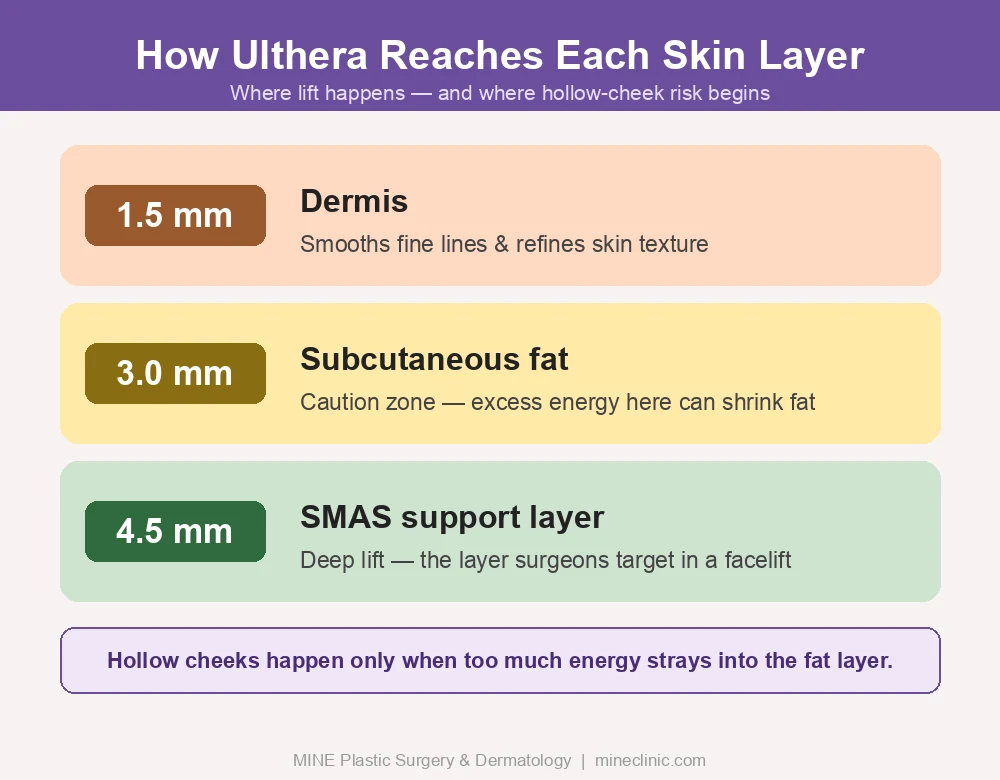
The technology delivers precise ultrasound energy at three distinct depths beneath the skin’s surface:
- 1.5mm depth: Targets the dermal layer to improve fine lines and skin texture
- 3.0mm depth: Addresses the subcutaneous tissue and superficial fat layer
- 4.5mm depth: Reaches the SMAS layer (superficial muscular aponeurotic system), the same foundational layer surgeons target during facelift procedures
This multi-layered approach stimulates natural collagen production, gradually tightening and lifting sagging skin over a period of 2-6 months. Unlike traditional lasers that work on the skin’s surface, Ulthera’s ultrasound technology bypasses the epidermis entirely, minimizing surface damage while maximizing deep tissue effects.
The Unique Advantage of Real-Time Imaging
What sets Ulthera apart from other skin tightening devices is its ultrasound imaging capability. Practitioners can visualize the tissue layers in real-time, ensuring energy is delivered to the exact depth needed for optimal results while avoiding unintended tissue damage. This precision is crucial for preventing complications, including unwanted fat loss.
The Hollow Cheeks Concern
Does Ulthera Actually Cause Fat Loss?
The relationship between Ulthera and facial fat is more nuanced than simple yes-or-no answers suggest. Current scientific evidence on Ultherapy results indicates that when performed correctly by experienced practitioners, Ulthera should not cause significant fat atrophy. However, isolated cases of volume loss are real, not a myth: surgical textbooks document patients whose cheeks became hollow after high-intensity focused ultrasound (the same family of technology Ulthera belongs to) when the energy reached the fat layer. These reports are uncommon and tied to how the treatment was delivered, but they explain why patient concern about hollow cheeks is understandable and worth addressing honestly.
Why Some Patients Experience Volume Changes
Several factors contribute to the perception of hollow cheeks following Ulthera treatment:
Skin Tightening Effect: The primary mechanism of Ulthera involves tightening skin and underlying SMAS tissue. This tightening can make pre-existing facial hollows more apparent, even though no actual fat loss has occurred. The improved skin firmness may reveal underlying facial structure that was previously masked by loose, sagging tissue.
Individual Facial Anatomy: Patients with naturally thin faces or minimal subcutaneous fat are more susceptible to visible changes. In these individuals, even minor tissue manipulation can create noticeable contour alterations.
Pre-existing Volume Loss: Many patients seeking Ulthera already experience age-related facial volume depletion. As the face ages, the fat sitting in your cheeks is held less tightly and slips downward, so the contour can already look slightly sunken before any treatment. When Ulthera then tightens the skin over that thinner fat, it can make the existing hollow more visible, even though no new fat has been lost. This is why people with naturally lean faces should be assessed especially carefully.
According to board-certified dermatologists and plastic surgeons, the focused nature of Ulthera’s ultrasound energy—when properly delivered—targets collagen-rich layers rather than fat deposits. The technology is specifically designed to heat tissue at precise depths without affecting adjacent structures.
Why Fat Atrophy Happens and How to Prevent It
The Science Behind Treatment-Related Fat Loss
When ultrasound energy penetrates too deeply or is applied with excessive intensity, it generates thermal injury extending into adipose tissue. Fat cells (adipocytes) are particularly sensitive to heat, and sustained temperature elevation can damage their outer membrane and cause them to die off. This process differs fundamentally from Ulthera’s intended mechanism of controlled, collagen-stimulating warmth. In simple terms, the cheeks lose padding only when too much energy is concentrated in the wrong layer.
Medical literature backs this up. Studies of tissue-tightening devices describe a clear “overtreatment effect,” where energy beyond the recommended range damages the fat beneath the skin instead of just firming it. There is also a documented surgical case of a woman in her late forties whose subcutaneous cheek fat thinned after high-intensity focused ultrasound, requiring fat grafting to restore the lost volume. The reassuring takeaway is that these outcomes trace back to how much energy was delivered and where, not to the technology being inherently unsafe. Conservative settings, correct depth, and an experienced hand are what keep your fat layer intact.
Critical Prevention Strategies:
Choose an Experienced Provider: The most important factor in preventing fat loss is selecting a board-certified dermatologist or plastic surgeon with extensive Ulthera experience. Practitioners should have completed comprehensive training and performed hundreds of treatments to develop the necessary expertise.
Proper Patient Selection: Not every patient is an ideal Ulthera candidate. Those with very thin faces, minimal facial fat, or significant pre-existing volume loss may benefit more from alternative treatments or combination approaches that include volume restoration.
Conservative Treatment Approach: Experienced practitioners employ conservative energy settings and avoid excessive pulse stacking (repeatedly treating the same location). This measured approach reduces heat accumulation in any single area, minimizing fat injury risk.
Real-Time Monitoring: Utilizing Ulthera’s imaging capability to continuously verify treatment depth ensures energy delivery remains in target zones, avoiding inadvertent fat layer treatment.
Recognizing High-Risk Scenarios
Certain situations warrant extra caution or alternative treatment approaches:
- Patients over 50 with significant facial fat loss
- Individuals with naturally hollow cheeks or temples
- Those who have previously experienced volume loss from aesthetic treatments
- Patients with extremely thin skin or minimal subcutaneous tissue
For these high-risk patients, consulting with specialists who can recommend appropriate alternatives or complementary treatments becomes especially important.
The Smart Solution: Combining Ulthera with Titanium Lifting
A Strategic Dual-Treatment Approach
Modern aesthetic medicine increasingly embraces combination therapies that leverage multiple technologies’ strengths while mitigating individual limitations. The strategic pairing of Ulthera with Titanium lifting exemplifies this approach, offering comprehensive facial rejuvenation with enhanced safety profiles. If you are still weighing your options, our detailed comparison of Ulthera versus Thermage, HIFU, and thread lifts shows where each procedure fits and how they handle the volume question differently.
What Is Titanium Lifting?
Titanium lifting, also known as Soprano Titanium lifting, represents the latest evolution in non-invasive skin tightening technology. This innovative treatment employs triple-wavelength laser technology (755nm, 810nm, and 1064nm) to simultaneously target multiple skin layers with distinct benefits:
- 755nm wavelength: Brightens skin tone by targeting superficial pigmentation
- 810nm wavelength: Tightens mid-dermal layers, stimulating collagen synthesis
- 1064nm wavelength: Reaches deepest layers for fat metabolism and facial contouring
Unlike Ulthera’s focused ultrasound approach, Titanium lifting uses gentle laser energy delivered through an advanced cooling system, creating a comfortable, virtually painless treatment experience. The procedure typically takes just 20 minutes but does require numbing cream.
Why Combine These Technologies?
The synergistic combination of Ulthera and Titanium lifting addresses facial aging through complementary mechanisms:
Targeted Lifting Where Needed: Ulthera excels at addressing the jawline, under-chin area, and neck—regions requiring deep SMAS-level lifting. These areas benefit most from Ulthera’s ability to reach foundational tissue layers.
Preservation of Facial Volume: Titanium lifting can be applied to the mid-face, cheek, and temple areas where hollow cheek concerns are most relevant. Its gentler approach doesn’t penetrate as deeply, reducing fat atrophy risk while still providing tightening and brightness enhancement.
Comprehensive Skin Quality Improvement: While Ulthera focuses primarily on lifting and tightening, Titanium lifting adds skin tone improvement, pore reduction, and immediate radiance boost—addressing multiple aging concerns simultaneously.
Enhanced Safety Profile: By reserving Ulthera for areas requiring maximum lift and using Titanium lifting for volume-sensitive regions, practitioners can customize treatment to each patient’s unique anatomy and concerns.
Treatment Protocol for Combination Therapy
Optimal results with combination therapy typically follow this approach:
- Initial Assessment: Comprehensive facial analysis identifies areas requiring deep lifting versus those needing gentler treatment
- Strategic Ulthera Application: Treatment focuses on jawline, jowls, neck, and potentially the brow area where deep lifting provides maximum benefit
- Titanium Lifting for Mid-Face: Cheeks, temples, and under-eye areas receive Titanium lifting to tighten and brighten without volume loss risk
- Appropriate Timing: Treatments can be performed on the same day with proper planning, or spaced according to patient preference and practitioner recommendation
This personalized approach maximizes facial rejuvenation results while minimizing potential complications, including the hollow cheek concerns associated with Ulthera monotherapy.
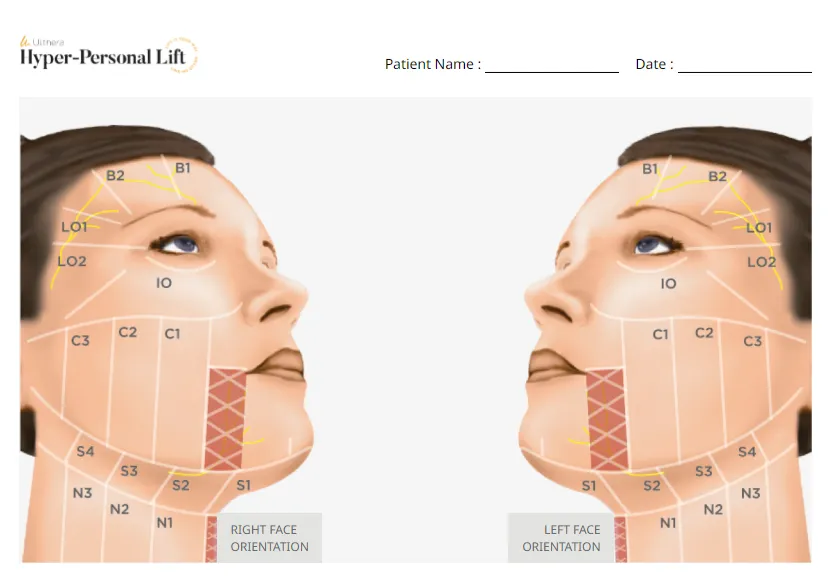
A treatment-planning map divides the face into strategic zones: Ulthera is directed at the jawline, jowls, and neck, where deep SMAS lifting is needed, while Titanium lifting is reserved for the cheeks, mid-face, and temples, where preserving volume is the priority.
Who Should Consider Ulthera Treatment
Ideal Candidates for Ulthera
Ulthera delivers optimal results for specific patient profiles:
Age Range: Typically most effective for patients aged 30-60 experiencing mild to moderate skin laxity. Younger patients may use it preventatively, while older patients might require more aggressive interventions.
Skin Concerns: Ideal for addressing sagging jowls, undefined jawlines, neck laxity, drooping brows, and early signs of facial aging where skin tightening—rather than volume restoration—is the primary goal.
Realistic Expectations: Best suited for individuals understanding that results develop gradually over several months and may require maintenance treatments every 12-18 months.
Good Overall Health: Patients without contraindications such as severe infections, implanted medical devices in treatment areas, or open wounds.
When Alternative or Combination Treatments Are Better
Certain scenarios call for different approaches:
Significant Volume Loss: Patients with hollow cheeks, sunken temples, or substantial facial fat loss benefit more from volume-restoring treatments like dermal fillers or fat grafting, either alone or combined with lifting procedures.
Very Thin Facial Structure: Individuals with naturally thin faces and minimal fat may achieve better results with gentler technologies like Titanium lifting or combination approaches that preserve existing volume.
Advanced Skin Laxity: Severe sagging often requires surgical intervention; non-surgical treatments like Ulthera work best for mild to moderate concerns.
Recent Filler Treatments: Patients who have received dermal fillers in the past few months should discuss timing carefully, as the interaction between Ulthera and fillers is still not fully understood and warrants careful consideration.
The Importance of Professional Consultation
A thorough consultation with a board-certified specialist is essential for determining the most appropriate treatment plan. During this consultation, practitioners should:
- Assess facial anatomy, skin quality, and degree of laxity
- Discuss aesthetic goals and expectations
- Review medical history and potential contraindications
- Explain treatment options, including combination approaches
- Provide realistic outcome projections based on individual factors
What to Expect During and After Treatment
The Treatment Experience
Pre-Treatment Preparation: The treatment area is cleansed thoroughly, and ultrasound gel is applied to facilitate device contact. Some practitioners offer topical numbing cream or oral pain medication for sensitive patients, though many find Ulthera tolerable without anesthesia.
During the Procedure: Treatment typically lasts 30-90 minutes depending on the treatment area. Patients describe sensations ranging from warmth and tingling to brief, sharp heat pulses when ultrasound energy is delivered. The discomfort is temporary, occurring only during energy delivery moments.
Immediate Post-Treatment: Mild redness, swelling, or tenderness commonly occurs but typically resolves within hours to a few days. Most patients resume normal activities immediately, making Ulthera highly convenient for busy individuals.
The Timeline of Results
Initial Response (Days 1-7): Some patients notice immediate subtle tightening due to initial collagen contraction, though this isn’t universal.
Progressive Improvement (Weeks 2-12): Collagen production begins, with gradual tightening becoming more apparent. This is when friends and family typically start noticing positive changes.
Peak Results (Months 3-6): Maximum lifting and tightening effects become evident as new collagen matures and remodels. Skin appears firmer, contours more defined, and overall facial appearance more youthful.
Aging continues naturally, but the clock has effectively been turned back, and maintenance treatments can prolong the benefits.
Post-Treatment Care Recommendations
Immediate Aftercare (First 24-48 Hours):
- Apply gentle skincare products; avoid harsh ingredients
- Stay well-hydrated
- Avoid excessive heat exposure (saunas, hot yoga, direct sun)
Ongoing Skin Care:
- Maintain consistent sun protection (SPF 30+ daily)
- Follow a comprehensive skincare regimen supporting collagen production
- Stay hydrated and maintain a healthy diet rich in antioxidants
- Avoid smoking, which accelerates collagen breakdown
Follow-Up Appointments: Schedule recommended follow-up visits to monitor progress and determine if additional treatments would enhance results.
Frequently Asked Questions
Can Ulthera permanently damage facial fat?
When performed by experienced practitioners using appropriate techniques, permanent fat damage from Ulthera is extremely rare. The focused ultrasound energy targets collagen-rich layers, not fat deposits. Reported cases of fat loss typically involve improper device use, excessive energy settings, or treatment of inappropriate candidates. Choosing a board-certified provider minimizes this risk significantly.
How long should I wait between Ulthera and other facial treatments?
Timing recommendations vary by treatment type. Generally, dermal fillers should be administered at least 2-4 weeks after Ulthera to allow tissue settling. Some practitioners prefer performing fillers first, then Ulthera. For treatments like Titanium lifting, same-day combination therapy is often possible when properly planned. Always follow your provider’s specific recommendations based on your treatment plan.
Is the combination of Ulthera and Titanium lifting more effective than either treatment alone?
Combination therapy offers several advantages over monotherapy. By strategically applying each technology to areas where it performs best, patients can achieve more comprehensive rejuvenation. Ulthera provides deep lifting for the lower face and neck, while Titanium lifting addresses mid-face concerns with lower fat loss risk. Many patients find this approach delivers superior overall results compared to single-treatment options.
Can hollow cheeks from Ulthera be reversed?
If genuine fat loss occurs, volume can be restored through various methods including hyaluronic acid fillers for temporary correction, longer-lasting options like Sculptra for collagen stimulation, or autologous fat transfer for permanent restoration. The appropriate solution depends on the degree of volume loss and individual patient factors. Prevention through proper treatment technique remains the best approach.
If you’re considering facial rejuvenation treatments and want to explore whether Ulthera, Titanium lifting, or a combination approach is right for you, consulting with experienced specialists can help you navigate these options confidently. Professional guidance ensures your treatment plan aligns with your aesthetic goals while prioritizing safety and natural-looking results.
For more information about facial rejuvenation options and to schedule a personalized consultation, visit Mine Plastic Surgery & Dermatology, where board-certified specialists provide comprehensive aesthetic solutions tailored to your unique needs.
Medical Disclaimer: This information is provided for general educational purposes and does not constitute professional medical advice. Individual results may vary based on numerous factors including age, skin condition, lifestyle, and treatment adherence. Always consult with qualified medical professionals to discuss your specific situation and determine the most appropriate treatment options for your needs.
References:
Information in this article is based on research from peer-reviewed medical literature, FDA-cleared device guidelines, and clinical experience from board-certified dermatologists and plastic surgeons. For the most current information on aesthetic procedures and to verify practitioner credentials, visit the Korean Society of Plastic and Reconstructive Surgeons.
※ This content is for informational purposes only and does not replace professional medical advice, diagnosis, or treatment. Individual results may vary, and side effects may occur. Please consult with a board-certified plastic surgeon for personalized advice.