EN
EN

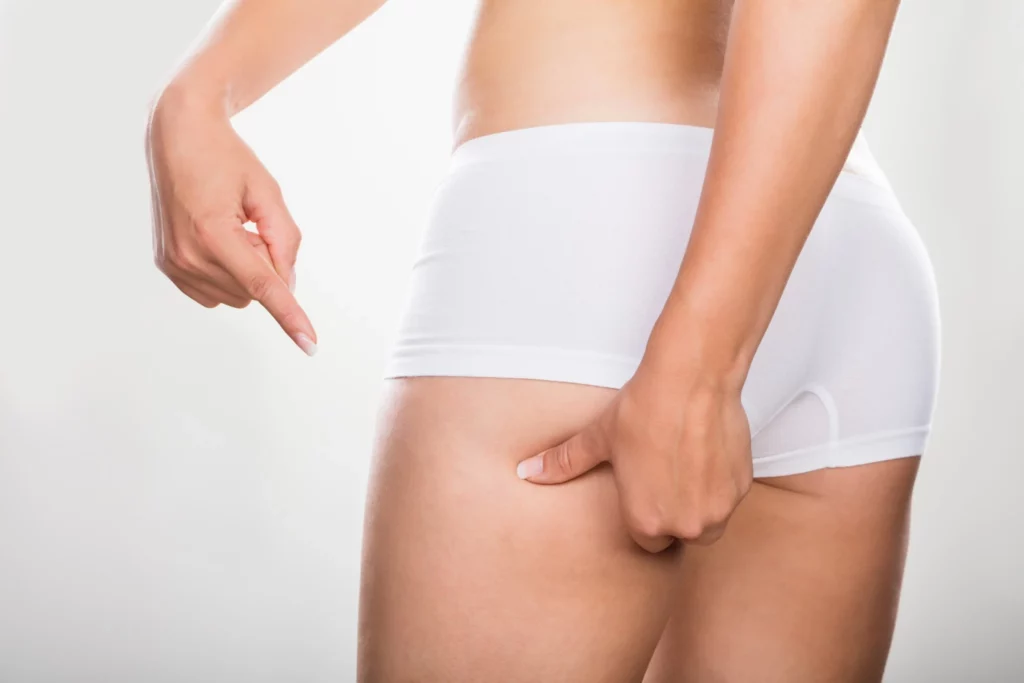
Table of Contents
Understanding Post-Operative Changes and Skin Hardness
Post-operative changes are the normal, temporary shifts your body goes through as it heals after surgery — swelling, bruising, firmness or hardness, numbness, and the slow fading of scars. After plastic surgery in Korea, almost every patient notices some of these, and learning what they are is the single best way to stay calm and recover well.
If you’ve recently had surgery — especially liposuction — you may also have noticed a hard lump after liposuction in the treated area. This firm, sometimes lumpy texture worries many international patients who travel to Seoul for Korean plastic surgery, particularly those staying at the renowned Mine Clinic in Gangnam. It is one of the most common post-operative changes patients ask us about, and in most cases it simply reflects healing.
Skin hardness after surgery is typically a normal part of the healing process. When tissues are cut, manipulated, or augmented during procedures, your body initiates a complex repair mechanism. This natural response involves inflammation, collagen production, and tissue remodeling—all of which can create temporary firmness or hardness around the surgical area.
Understanding why this happens helps international patients feel more confident about their recovery journey. At Mine Clinic, we specialize in guiding patients through every stage of healing, ensuring they know what’s normal and when to be concerned. Our international service team provides continuous support in multiple languages, making the recovery process smoother for visitors from around the world.
The hardness you feel is usually temporary and resolves gradually over weeks to months, depending on the procedure type and your individual healing capacity. A hard lump after liposuction, for example, tends to soften steadily as the body remodels the treated fat layer. Knowing the difference between normal healing and potential complications is essential for optimal outcomes.
Hard Lump After Liposuction: Why Tissue Hardening Happens
The Body’s Natural Healing Response
When surgical incisions are made or tissues are manipulated during Korean plastic surgery procedures, your body immediately activates its defense and repair systems. This multiphase healing process involves several key stages that directly contribute to the temporary hardness you may experience.
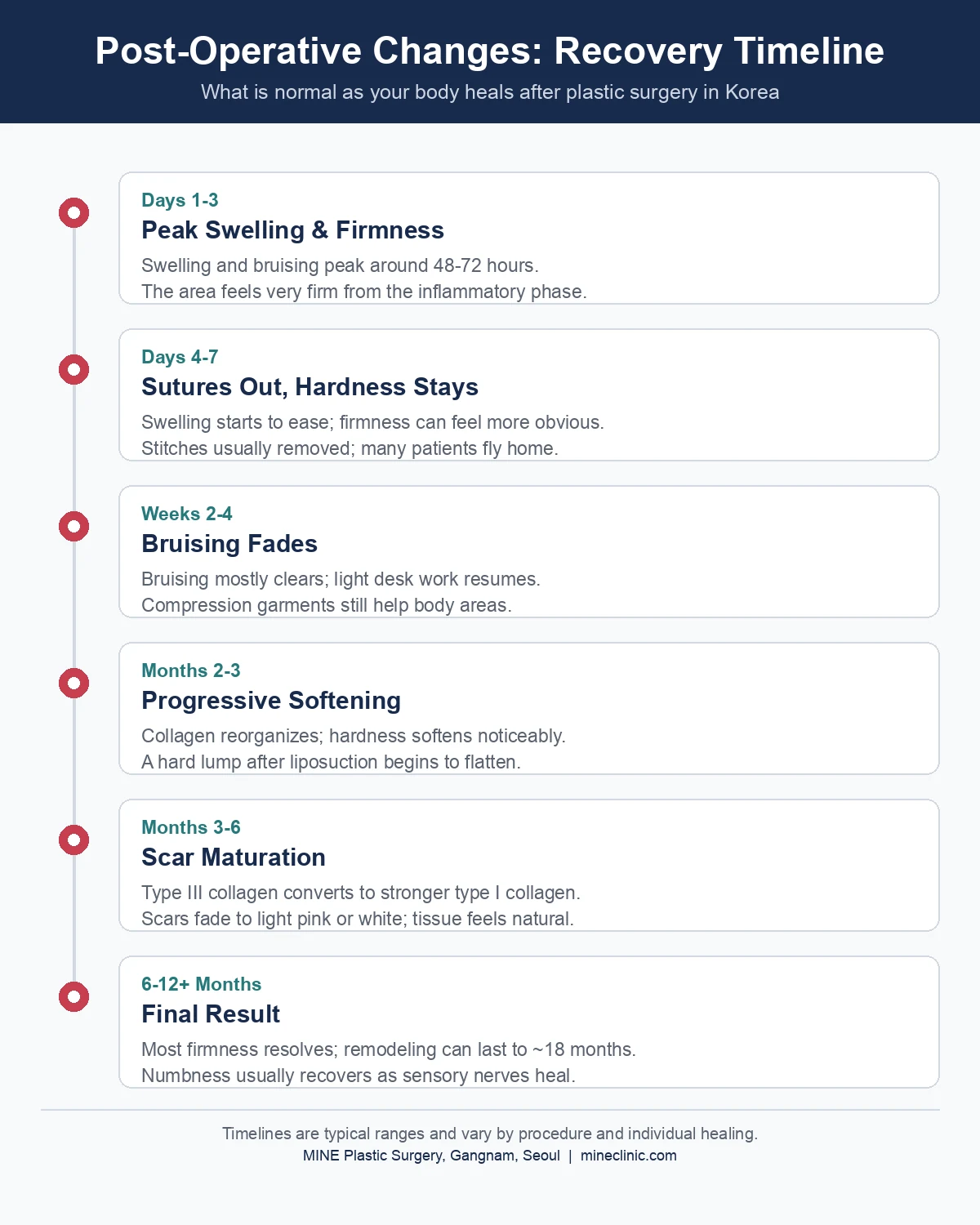
Inflammatory Phase (Days 1-5): Immediately after surgery, blood vessels constrict to minimize bleeding, then dilate to allow immune cells to flood the area. This causes swelling, redness, and a firm feeling as fluid accumulates in the tissues. Surgical textbooks note that swelling usually peaks around 48 to 72 hours and then slowly settles, so the firmness you feel in the first few days is often at its most intense before it starts to ease. The surgical site becomes a controlled wound environment where your body removes damaged cells and prevents infection.
Proliferative Phase (Days 5-21): During this critical period, fibroblasts (specialized cells) begin producing collagen—the structural protein that forms the foundation of new tissue. This collagen initially forms in a somewhat disorganized pattern, creating dense, firm areas around and beneath the surgical site. This is when many patients notice the most pronounced hardness.
Remodeling Phase (Weeks 3-24+): Over several months, the body gradually reorganizes collagen fibers into more organized patterns that better resemble normal tissue architecture. The initial Type III collagen (a softer, temporary “scaffolding”) is replaced with stronger Type I collagen, and excess scar tissue slowly softens and flattens. This maturation phase begins around the third week and, according to plastic surgery references, can quietly continue for up to 18 months. A healing wound typically regains about 80% of its strength by roughly three months — which is one reason most post-operative changes feel far better by then, even if subtle remodeling is still going on underneath.
Scar Tissue Formation
Scar tissue differs from normal skin in both structure and function. While normal skin contains organized collagen fibers arranged in a basket-weave pattern, scar tissue features parallel collagen bundles that create a denser, less flexible structure. This density is what you feel as hardness.
The amount and persistence of hardness depend on several factors, including the extent of tissue trauma, your genetic predisposition to scarring, the surgical technique used, and how well you follow post-operative care instructions.
Seroma and Hematoma Considerations
Sometimes, hardness results from fluid collections rather than tissue changes. A seroma is a pocket of clear fluid that can accumulate in surgical spaces, while a hematoma is a collection of blood. Both create firm areas that feel different from surrounding tissue. These typically require medical evaluation and may need drainage.
Common Procedures and Hardness Patterns
Different Korean plastic surgery procedures produce distinct patterns of post-operative hardness. Understanding what to expect based on your specific treatment helps you monitor your recovery effectively.
Breast Surgery
Breast augmentation procedures commonly result in temporary firmness as the body forms a capsule around the implant. This capsule formation is a normal response to any foreign object placed in the body. Whether you choose Mentor, Motiva, or Sebbin implants, you should expect the breasts to feel firm for the first few weeks.
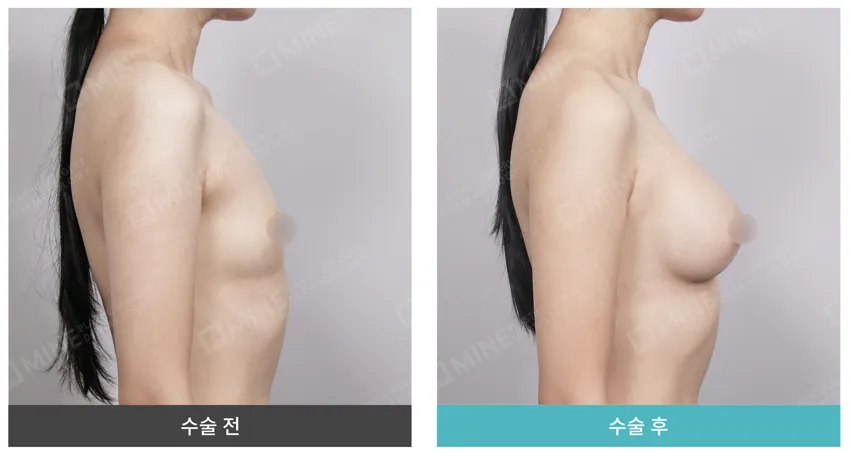
The breasts gradually soften over three to six months as the capsule matures and tissues relax. In breast lift surgery or breast reduction, hardness around incision lines is common and typically resolves within two to three months.
Facial Procedures
For eye surgery, including double eyelid creation or ptosis correction, mild firmness along the incision line is expected. The delicate eyelid tissues heal relatively quickly, with most hardness resolving within four to six weeks.
Rhinoplasty procedures often result in significant initial firmness as the nasal structures stabilize. Whether addressing a bulbous nose or performing tip rhinoplasty, the nose typically feels firm or even slightly numb for several months. This is completely normal as cartilage and bone heal.
Body Contouring
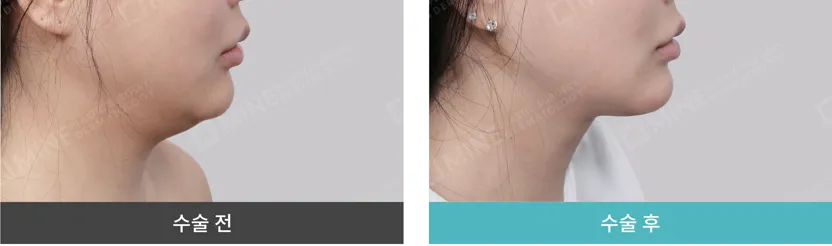
Following liposuction or double chin liposuction, treated areas often feel firm or lumpy as the body removes fat cells and heals the tunnels created by the cannula. A hard lump after liposuction is one of the most common post-operative concerns patients ask us about, and in most cases it reflects normal healing rather than a complication. Compression garments help minimize this effect. For tummy tuck surgery, the abdominal wall feels tight and firm for several months as muscles heal and skin contracts.
Anti-Aging Procedures
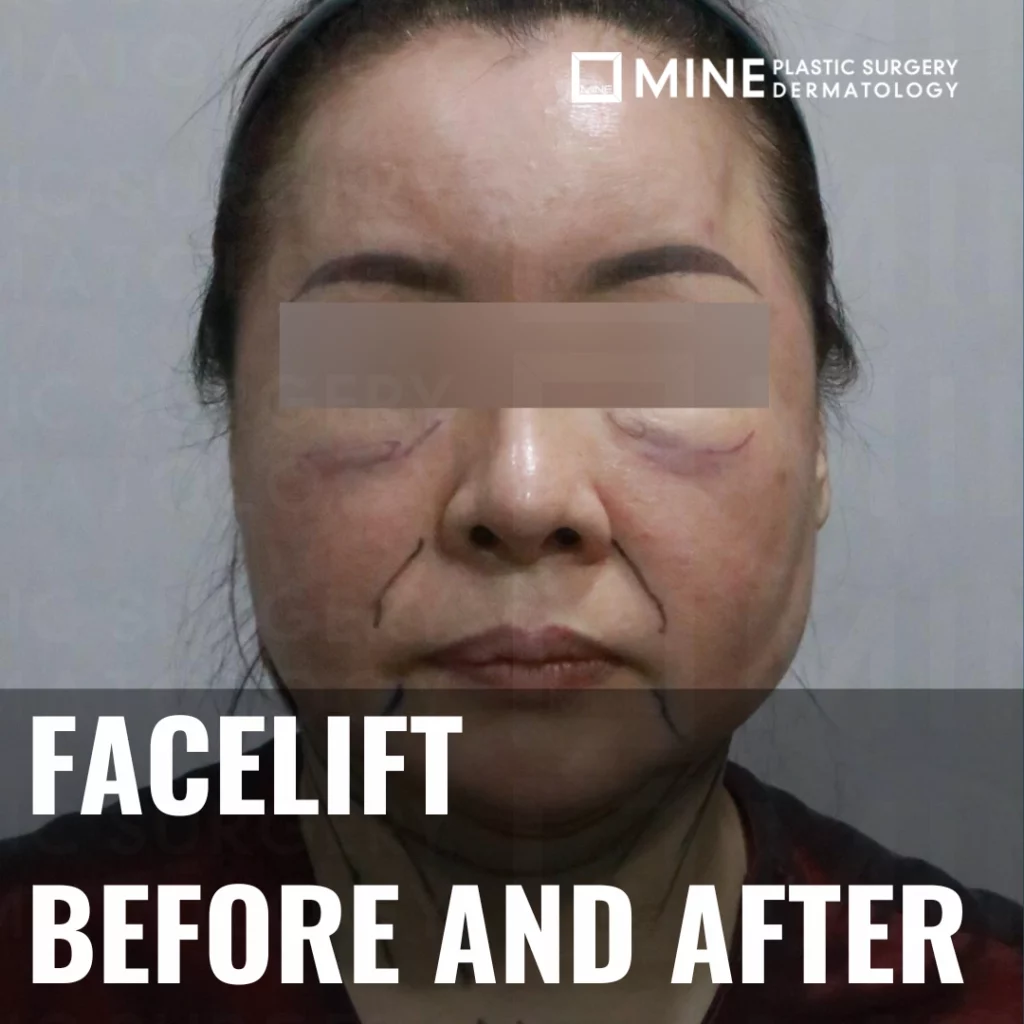
Thread lift procedures create temporary firmness along the thread paths. Mini facelift or SMAS facelift surgeries result in facial firmness that gradually softens as deeper tissues heal and redrape naturally. If you are weighing your options, our comparison of facelift methods and our guide to the full vs. mini neck lift explain the post-operative changes specific to each approach. For more on lifting procedures and their unique healing patterns, visit our comprehensive lifting blog.
Important: Risks, Side Effects & Safety
While most post-operative changes — including skin hardness — are a normal healing response, understanding potential complications ensures you can identify problems early and seek appropriate intervention. Transparency about risks is essential for informed decision-making and building trust.
Normal vs. Concerning Hardness
Normal hardness characteristics include gradual development over days to weeks, improvement over time (even if slowly), symmetrical distribution on both sides of the surgical area, no accompanying fever or severe pain, and skin that appears pink or normal color rather than red or discolored.
Concerning signs that warrant immediate medical evaluation include sudden onset of hardness (developing within hours), progressive worsening rather than improvement, asymmetry (one side significantly harder than the other), accompanying symptoms like fever, chills, or severe pain, skin that is hot, red, or shows drainage, and hardness that interferes with function or causes severe discomfort.
Capsular Contracture in Breast Surgery
One of the most significant risks in breast augmentation is capsular contracture, where the normal capsule around an implant becomes excessively thick and contracts, creating hardness and potential distortion. This affects approximately 10-15% of patients to varying degrees, according to the American Society of Plastic Surgeons.
Modern implant technologies like Motiva implants with textured surfaces and regular massage protocols significantly reduce this risk. If capsular contracture develops, breast revision surgery can address the problem effectively. But capsular contracture does not occur within the earlier days of recovery, but rather slowly develops over several months. It is not easy to know whether the patient is experiencing capsular contracture until the capsule has developed into stage 3 or stage 4 (Baker grade).
Infection and Complications
Although rare when proper protocols are followed, surgical site infections can cause hardness accompanied by warmth, redness, and pain. At Mine Clinic, our infection rate is kept below 1% through strict sterile techniques, antibiotic protocols, and careful patient monitoring.
Hematoma (blood collection) and seroma (fluid collection) can create firm areas that may require drainage. Our surgeons place drains strategically during surgery and monitor patients closely during the critical first week to identify and address these issues promptly.
Hypertrophic Scars and Keloids
Some individuals are genetically predisposed to excessive scar tissue formation. Hypertrophic scars remain within the boundaries of the original incision but become raised and firm, while keloids extend beyond the original wound borders. These conditions can be managed with silicone sheets, compression, steroid injections, or laser treatments. For a detailed look at scar care during recovery, see our guide on managing surgery scars in Korea.
Realistic Expectations
Setting appropriate expectations is crucial. While Korean plastic surgery achieves remarkable results, healing is a biological process that cannot be rushed. Most post-operative changes resolve on their own, and individual variation in healing speed is normal and doesn’t necessarily indicate problems. Patience during the recovery phase yields the best long-term aesthetic outcomes.
Recovery Timeline in Korea
International patients planning plastic surgery in Korea need detailed information about recovery timelines to schedule their stay appropriately and understand what to expect at each stage. The post-operative changes below follow a predictable arc, so use these ranges as a guide rather than a strict schedule.
Week 1: Immediate Post-Operative Period
Days 1-3: This is the most critical period with peak swelling and firmness. You’ll likely stay near the clinic or in designated recovery accommodations. Daily check-ups ensure proper healing. Most patients experience significant discomfort managed with prescribed medications. The surgical area will feel very firm due to swelling and initial inflammatory response.
Days 4-7: Swelling begins to decrease, though hardness persists or may even feel more pronounced as swelling subsides and underlying tissue changes become more apparent. Sutures may be removed, usually on the 7th day after surgery (timing varies by procedure). Many patients feel well enough for light activities but should avoid strenuous movement.
Many of our overseas patients fly back to their country on the day or the following day after their stitches are removed at MINE Clinic. The final check-up with the doctor is also done on the day of stitch removal.
Weeks 2-4: Early Recovery Phase
Visible improvement becomes noticeable. Bruising fades significantly, though firmness remains. Most patients can return to desk work and light daily activities. For facial procedures, makeup can usually be applied to cover residual discoloration. For body procedures, compression garments remain essential.
Flying home is typically safe after two weeks for most procedures, though staying longer is beneficial for optimal monitoring. Our online consultation service allows continued support after you return home.
Months 2-3: Progressive Softening
This period shows dramatic improvement. Hardness noticeably softens, though some firmness typically remains — for body contouring patients, a hard lump after liposuction usually begins to flatten and feel less defined during these months. Incision lines mature and begin fading. Most swelling resolves, revealing closer-to-final results. Patients can usually resume most normal activities, including exercise (with surgeon approval).
Months 3-6: Maturation Phase
Tissues continue softening and remodeling. Scars fade to light pink or white lines. The operated area begins to feel more natural. For breast augmentation patients, this is when implants “drop and fluff” into final position. Final results become increasingly apparent, though subtle changes continue for up to a year.
Long-Term: 6-12+ Months
By six months, most hardness should have resolved. Any remaining firmness typically continues improving gradually. Final aesthetic results stabilize. Scars mature to barely visible lines.
Recovery Tips for International Patients
Before leaving Korea: Attend all scheduled follow-up appointments, obtain detailed written instructions in your language, get emergency contact information, purchase recommended recovery products, and schedule your online follow-up consultations.
After returning home: Follow medication schedules precisely, maintain recommended massage or compression protocols, document your healing progress with photos, report any concerns immediately through WhatsApp or email, and avoid premature return to strenuous activities.
Red Flag Symptoms
Contact your surgeon immediately if you experience sudden increase in firmness or swelling (especially if asymmetric), fever above 38°C (100.4°F), severe pain not controlled by prescribed medications, red streaks extending from the surgical site, wound drainage that is yellow, green, or foul-smelling, or skin that feels hot to touch around the surgical area.
These symptoms may indicate infection, hematoma, or other complications requiring intervention. Keep in mind that firmness often goes hand in hand with numbness after plastic surgery, which is usually a normal part of healing as nerves recover.
Non-Emergency Concerns
Schedule a follow-up consultation if hardness worsens after initial improvement, firmness persists unchanged beyond expected timeline for your procedure, asymmetry develops between operated sides, you have questions or anxiety about your healing progress, or hardness causes functional limitations.
For patients who have returned to their home countries, our international service team can arrange video consultations to assess your concern and determine if in-person evaluation is necessary.
Documentation for Remote Consultation
If you’re consulting remotely about post-operative hardness, provide clear photos in good lighting from multiple angles, describe the texture (hard, firm, soft, lumpy), note when the hardness began and whether it’s changing, document any accompanying symptoms, and mention any recent activities that might be relevant.
Frequently Asked Questions
How long does skin hardness last after plastic surgery in Korea?
The duration of post-surgical hardness varies significantly by procedure type and individual healing characteristics. For most facial procedures like double eyelid surgery or rhinoplasty, noticeable firmness typically resolves within two to three months. Breast surgery hardness may persist longer, often improving gradually over six months. Body contouring procedures can take three to six months for complete softening — a hard lump after liposuction usually softens noticeably within this window as the tissue tunnels heal. However, subtle firmness may continue improving for up to a year as tissue remodeling continues.
Is hardness after surgery a sign of complications?
In most cases, hardness is a normal part of healing rather than a complication. The body naturally forms firm scar tissue during recovery, which gradually softens and remodels over time. However, excessive hardness accompanied by other symptoms—such as fever, severe pain, redness, or asymmetry (in breast cases)—may indicate complications like infection, hematoma, or capsular contracture. Regular follow-up appointments at Mine Clinic help distinguish normal healing from concerning changes.
Can massage help reduce post-surgical hardness?
Yes, appropriate massage techniques can significantly improve tissue softening and reduce hardness duration. However, timing and technique are crucial—incorrect massage can harm healing tissues. Generally, gentle massage begins two to three weeks after surgery once initial healing has occurred. For body contouring, lymphatic drainage massage reduces fluid retention and promotes smoother results.
What makes Korean plastic surgery recovery different from other countries?
Korean plastic surgery recovery protocols benefit from several unique advantages. Korean clinics offer comprehensive post-operative care programs including specialized treatments like LED therapy and lymphatic massage that may not be routinely available elsewhere. The concentration of experienced surgeons in Seoul means refined techniques that minimize tissue trauma. Additionally, the medical tourism infrastructure provides convenient access to follow-up care, recovery accommodations, and support services specifically designed for international patients. This holistic approach often results in faster, more comfortable healing with better aesthetic outcomes.
Should I be concerned about uneven hardness on different sides?
Mild asymmetry in healing is relatively common, as the body doesn’t heal at exactly the same rate on both sides. However, significant asymmetry—where one side is notably harder, more swollen, or painful than the other—warrants medical evaluation. This could indicate a localized issue like seroma or hematoma requiring drainage. Document the asymmetry with photos and contact your surgeon for assessment. Most cases of uneven healing resolve naturally over time, but early evaluation ensures any treatable issues are addressed promptly.
Interested in plastic surgery in Korea? Contact Mine Clinic today for a personalized online consultation. We are ready to assist you on WhatsApp and guide you through your K-Beauty journey in Seoul. Book your consultation now.
※ This content is for informational purposes only and does not replace professional medical advice, diagnosis, or treatment. Individual results may vary, and side effects may occur. Please consult with a board-certified plastic surgeon for personalized advice.