EN
EN


Table of Contents
- What is a Facelift?
- Types of Facelifts
- What Research Says About Comparing Techniques
- How Does the Facelift Procedure Work?
- Non-Surgical Facial Rejuvenation Alternatives
- How Long Does Recovery Take After a Facelift?
- Risks and Possible Complications
- Who Is a Good Candidate?
- Which Facelift Technique is Right for You?
- How to Choose a Qualified Facial Plastic Surgeon?
- Frequently Asked Questions
- Common Facelift Myths and Facts
- Conclusion
What is a Facelift?
A facelift, also known medically as rhytidectomy, is a facial plastic surgery procedure designed to restore a more youthful appearance by addressing common signs of aging. This transformative procedure targets multiple concerns including sagging skin, deep wrinkles, jowls, and loss of facial volume that naturally occur with age.
Unlike temporary solutions, a surgical facelift provides comprehensive rejuvenation by lifting and tightening the underlying facial tissues, removing excess skin, and smoothing deep creases. The result is a refreshed, natural-looking appearance that can significantly boost confidence and self-image.
Modern facelift techniques have evolved significantly, allowing for more natural results that avoid the “pulled” or “windswept” look associated with older methods. Today’s approaches focus on repositioning deeper tissues rather than simply pulling the skin tight, creating results that look natural while standing the test of time.
Did you know? The first facelift was performed in the early 1900s, but techniques have advanced dramatically since then, with today’s procedures producing more natural results with less downtime.
Types of Facelift Procedures
Different facial rejuvenation needs require different surgical approaches. Understanding the various types of facelifts available can help you identify which procedure might best address your specific concerns.
Deep Plane Facelift
The deep plane facelift is one of the more comprehensive approaches to facial rejuvenation, and it is most often discussed for people with significant sagging and volume loss. This advanced technique goes beyond the superficial layers to address the deeper structural changes that occur with aging.
Key benefits of a deep plane facelift include:
- Long-lasting results that can endure for 10-15 years
- Comprehensive improvement addressing multiple signs of aging simultaneously
- Natural-looking results that avoid the overly tight appearance
- Effective correction of midface sagging and deep nasolabial folds
- Significant improvement in jawline definition and neck contour
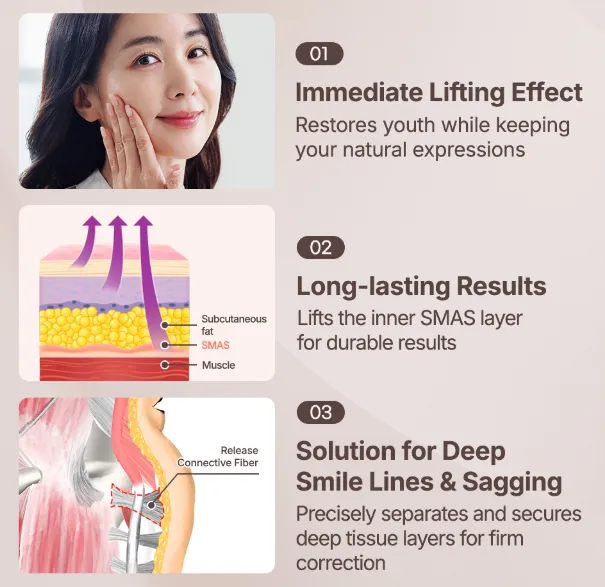
During a deep plane facelift procedure, the surgeon makes precise incisions along the hairline and around the ears. These incisions allow access to the deeper facial structures, including the muscles and connective tissues. By lifting and repositioning these deeper layers, the surgeon can restore the natural contours of the face, effectively reducing the appearance of sagging and excess skin.
This meticulous approach ensures that the results are not only dramatic but also long-lasting, with studies showing results can last significantly longer than more superficial techniques. According to the American Society of Plastic Surgeons, deep plane facelifts typically require less skin tension, reducing the risk of an unnatural appearance.
SMAS Lift and MACS Lift
An SMAS lift is a lifting technique that works on the SMAS — the superficial musculoaponeurotic system, a thin sheet of muscle and fibrous tissue sitting under the skin that supports the cheeks and jawline. Because this layer carries much of the weight of the face, tightening it holds a lift more reliably than working on skin alone.
Surgical textbooks describe several ways to treat that layer, and each behaves a little differently:
- Plication: the layer is folded and stitched onto itself without being cut. Often chosen for thinner faces with little fat beneath the skin.
- Imbrication: the tissue is overlapped and secured, giving slightly firmer tension than simple folding.
- SMASectomy: a narrow strip of the layer is removed and the edges are sewn together. Because the sheet is never lifted off the tissue below, the deep fascia (the tougher membrane underneath) keeps shielding the facial nerve branches, and the stitches tend to hold their position well.
- MACS lift: a short-incision version that suspends the same layer upward with purse-string sutures. It suits earlier sagging and generally involves less dissection.
Skin-only methods still have a role — they are quicker to perform and quicker to recover from — but the surgical literature consistently favors treating the SMAS layer over trimming skin alone when durable support is the goal.
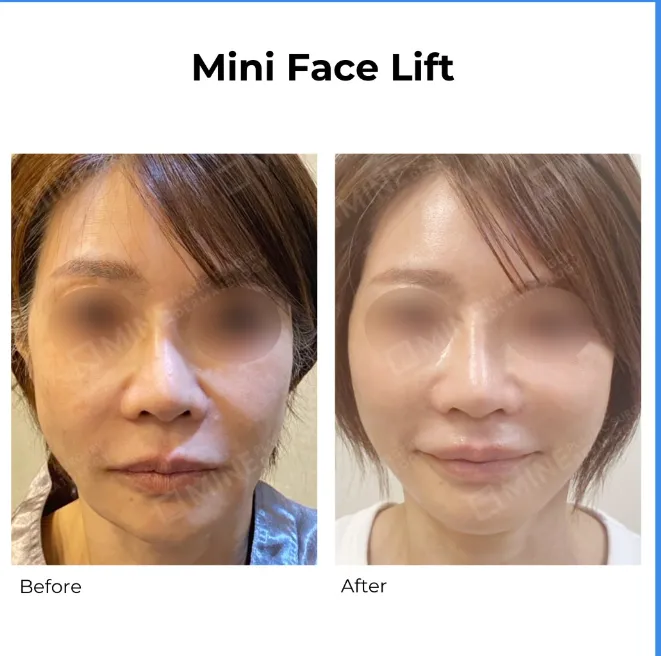
Mini Facelift
For those with early signs of aging or who desire a more targeted approach, the mini facelift offers a less invasive alternative to traditional techniques.
This technique is characterized by:
- Smaller incisions, typically around the ears
- Focus on the lower face and jaw area
- Quicker recovery time than full facelifts
- More subtle improvement ideal for younger patients
- Results lasting approximately 2-5 years
A mini facelift is particularly suitable for individuals in their 40s or early 50s who are beginning to notice sagging along the jawline but don’t yet have significant neck aging or deep facial folds.
Brow Lift
While not technically a facelift, a brow lift (forehead lift) is often combined with facelift procedures for comprehensive facial rejuvenation. This technique addresses the upper third of the face by lifting and smoothing the forehead area.
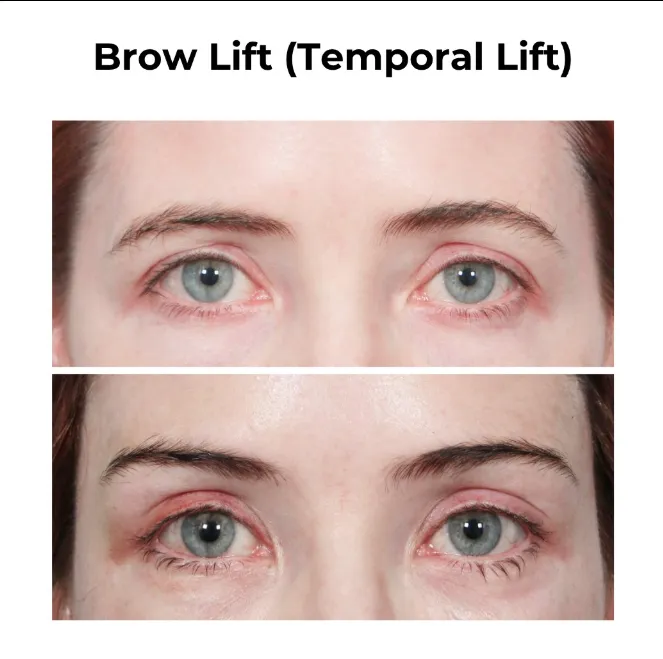
Benefits include:
- Raised eyebrow position for a more alert, refreshed look
- Reduction of horizontal forehead lines
- Improvement of frown lines between the eyebrows
- Opening of the eye area for a more youthful appearance
For many patients, combining a brow lift with a facelift provides a more balanced and harmonious result, addressing aging signs throughout the face rather than just in isolated areas.
What Research Says About Comparing Techniques
Comparative facelift research is the body of published studies that measures one lifting technique directly against another. It is worth knowing what that research actually shows before assuming that a more complex operation automatically means a better outcome.
Reviewers have worked back through roughly six decades of surgical literature looking for reliable head-to-head comparisons. Of the studies identified, only a small handful compared techniques directly, and those reviews concluded that the available data does not establish any single lifting method as superior to the others.
That conclusion is easy to misread, so here is what it does and does not mean:
- It does not mean the techniques are interchangeable. It means the published evidence is not strong enough to declare one method correct for every patient.
- Technique selection is a clinical judgment. Surgeons decide based on your anatomy, what they find in the tissue during surgery, and the approach they perform most consistently.
- One comparison is better supported. Operating on the supporting SMAS layer is generally regarded as more effective than removing skin alone.
- Be cautious about absolute claims. A clinic that presents one named technique as the only right answer for everyone is going further than the evidence allows.
If you are comparing surgeons internationally, the member directories published by bodies such as the International Society of Aesthetic Plastic Surgery are a practical way to confirm that a surgeon’s credentials are what they appear to be.
How Does the Facelift Procedure Work?
Understanding the facelift process can help alleviate concerns and set realistic expectations. While specific techniques vary, most surgical facelifts follow a similar sequence:
- Anesthesia: To ensure comfort throughout the procedure, the patient receives either general anesthesia or IV sedation, depending on the extent of the procedure and surgeon preference.
- Incision: The surgeon makes strategic incisions typically beginning in the hairline at the temples, continuing around the ear, and ending in the lower scalp. These incision patterns are carefully designed to be hidden within natural contours.
- Tissue Manipulation: Once the incisions provide access, the surgeon lifts and repositions the deeper SMAS layer and muscles. Excess fat may be removed or redistributed to restore youthful volume in appropriate areas.
- Skin Redraping: After the underlying structures are repositioned, the skin is redraped over the face, and excess skin is trimmed away. This step is performed with careful attention to create a natural appearance without tension.
- Closure: The incisions are meticulously closed using fine sutures designed to minimize scarring. In some cases, drains may be temporarily placed to prevent fluid accumulation.
The entire procedure typically takes 3-5 hours, depending on its complexity and whether additional procedures are performed simultaneously. Most patients can return home the same day, though some may spend one night under medical supervision, particularly after more extensive procedures.
Non-Surgical Facial Rejuvenation Alternatives
While surgical facelifts provide the most dramatic and long-lasting results, many patients seek non-surgical facial rejuvenation options due to their minimal downtime and lower initial investment. These alternatives can be excellent options for those with early signs of aging or who aren’t ready for surgery.
Popular non-surgical facial rejuvenation treatments include:
- Dermal fillers: Injectable substances like hyaluronic acid restore lost volume and smooth wrinkles, particularly in the cheeks, temples, lips, and nasolabial folds. Results typically last 6-18 months depending on the product used.
- Neurotoxin injections: Products containing botulinum toxin temporarily relax muscles that cause dynamic wrinkles, particularly in the forehead, between the brows, and around the eyes. Effects usually last 3-4 months.
- Thread lifts: This minimally invasive procedure uses dissolvable threads inserted beneath the skin to provide a subtle lifting effect. While not comparable to surgical results, thread lifts can be an effective “bridge” treatment with results lasting 1-3 years.
- Energy-based treatments: Technologies like ultrasound and radiofrequency stimulate collagen production and provide mild to moderate skin tightening without incisions. These treatments typically require multiple sessions and results develop gradually over several months.
- Chemical peels and microneedling: These treatments improve skin texture, fine lines, and overall skin quality by promoting cell turnover and collagen production.
These non-surgical options are ideal for:
- Patients in their 30s-40s with early signs of aging
- Those seeking enhancement without the recovery time of surgery
- Individuals wanting to “preview” potential surgical results before committing
- Maintenance between surgical procedures or for enhancing surgical results
If you are weighing these options, our detailed guides to thread lifting and ultrasound-based tightening explain what each treatment can realistically achieve and how long the effect tends to hold.
While non-surgical treatments can provide noticeable improvement, it’s important to understand their limitations. They cannot remove excess skin, provide the same degree of lifting, or deliver results that last as long as surgical approaches. Many patients find that a combination of surgical and non-surgical treatments provides optimal results.
How Long Does Recovery Take After a Facelift?
Recovery time varies significantly depending on the type of facelift performed and individual healing factors, but understanding the typical timeline can help you plan appropriately.
Typical Facelift Recovery Timeline:
First 24-48 hours
- Moderate discomfort managed with prescribed pain medication
- Bandages around the face to minimize swelling and bruising
- Possible drainage tubes to prevent fluid collection
- Rest with head elevated to reduce swelling
Days 3-7
- Bandages typically removed
- Bruising and swelling reach their peak
- Stitches may be removed (depending on type used)
- Limited movement and talking recommended
- Continued head elevation while sleeping
Days 7-14
- Significant reduction in swelling and bruising
- Most patients feel comfortable being seen in public (with makeup)
- Return to light activities and work (non-strenuous)
- Continued numbness and tightness normal
- Begin transitioning from prescription to over-the-counter pain relief
Weeks 2-4
- Most visible bruising resolved
- Social activities can usually be resumed
- Continued improvement in swelling
- Increased activity levels permitted (avoid strenuous exercise)
- Follow-up appointment to assess healing
Months 1-3
- Residual swelling continues to subside
- Sensation gradually returns to the face
- Scars begin to fade
- Return to full activity including exercise
- Final results begin to emerge
After 6 months
- All swelling typically resolved
- Scars continue to mature and fade
- Final results fully apparent
- Long-term maintenance plan established
It’s important to note that while this timeline represents a typical recovery, individual experiences vary significantly. Factors influencing recovery include:
- The extent of the procedure performed
- Individual healing capacity
- Age and overall health
- Adherence to post-operative instructions
- Smoking status (smoking significantly impairs healing)
Risks and Possible Complications
A facelift is major surgery, and every surgical procedure carries risk. Understanding the possible complications in advance is part of giving genuine informed consent, and it also helps you recognize early when something should be reported to your surgeon.
Risks routinely discussed in surgical texts and consent forms include:
- Bleeding under the skin (hematoma): a collection of blood that may need to be drained. Keeping blood pressure controlled before and after surgery is one reason surgical teams monitor it so closely.
- Infection: uncommon, but possible wherever there are incisions, and usually managed with antibiotics.
- Nerve injury: branches of the facial nerve run close to the tissue planes being separated. Weakness or altered sensation is usually temporary, but lasting injury is a recognized risk. Techniques that leave the deep fascia undisturbed keep a protective layer over those branches.
- Numbness: reduced feeling around the ears and cheeks is normal at first and typically improves over weeks to months.
- Scarring: incisions are placed in the hairline and natural creases, but scars are permanent and mature differently from person to person. Scar care after surgery influences how they settle.
- Delayed skin healing: poor circulation at the wound edges can slow healing. Smoking raises this risk substantially, which is why surgeons ask patients to stop well in advance.
- Hair thinning near incisions and contour irregularities: usually temporary, occasionally needing a minor revision.
- Anesthesia-related risks: reviewed separately with the anesthesia provider before surgery.
Contact your clinic promptly if you notice rapidly increasing swelling on one side, severe or worsening pain, fever, or discharge from an incision. Our article on side effects and safety precautions covers what to watch for week by week.
Who Is a Good Candidate for Facelift Surgery?
A good candidate for facelift surgery is someone in stable general health whose main concern is loose skin and descended tissue rather than surface texture alone. Suitability is judged face by face, not by date of birth.
Factors a surgeon weighs during consultation include:
- General health: well-controlled blood pressure and no untreated condition that interferes with healing or anesthesia.
- Smoking status: nicotine narrows small blood vessels and is one of the strongest predictors of wound healing problems.
- Tissue quality: skin elasticity and the amount of fat beneath the skin shape which technique is chosen. Thinner faces with little fat under the skin are often treated with gentler handling of the SMAS layer rather than removing part of it.
- Stable weight: a significant weight change after surgery can alter the result.
- Realistic expectations: surgery repositions tissue. It does not change skin pigmentation or texture, and it does not stop future aging.
- Time to heal: the ability to set aside two to three weeks away from public-facing commitments.
If you are not sure whether surgery is the right step yet, our self-assessment guide on signs that a lift may be worth discussing and our article on timing and age considerations are useful starting points. Men considering surgery should also read about the technical differences in male procedures.
Which Facelift Technique is Right for You?
Selecting the optimal facelift technique depends on multiple factors unique to each individual. While only a consultation with a qualified facial plastic surgeon can provide specific recommendations, understanding these key considerations can help guide your decision:
Age and Skin Condition
- 30s-early 40s: Non-surgical options or mini facelift may be sufficient
- Mid 40s-50s: SMAS or mini facelift often appropriate
- 60s and beyond: Deep plane facelift typically offers the most comprehensive correction
Specific Concerns
- Jowls and neck laxity: SMAS or deep plane facelift
- Nasolabial folds and midface sagging: Deep plane facelift
- Early jawline softening: Mini facelift
- Forehead and brow concerns: Brow lift (often combined with other techniques)
Recovery Considerations
- Limited downtime available: Mini facelift or non-surgical options
- Able to take several weeks for recovery: More comprehensive procedures feasible
Long-term Goals
- Desire for longest-lasting results: Deep plane facelift
- Preference for gradual enhancement: Begin with non-surgical treatments, progress to surgery when needed
- Comprehensive rejuvenation: Combination of procedures may be optimal
This comparison table outlines key differences between common facelift techniques:
| Technique | Best For | Recovery Time | Longevity | Invasiveness |
|---|---|---|---|---|
| Deep Plane | Significant sagging, comprehensive results | 2-3 weeks | 10-15 years | High |
| Mini | Early aging, jawline definition | 1-2 weeks | 5-7 years | Moderate |
| Non-Surgical | Mild laxity, volume loss, fine lines | Days or none | 6 months – 2 years | Low |
Remember that combination approaches often yield the best results. Many patients benefit from addressing different concerns with specialized techniques, such as combining a facelift with eyelid surgery or fat transfer for volume restoration.
Questions to Ask During Your Consultation:
- “How many facelifts do you perform annually, and what percentage of your practice is dedicated to facial rejuvenation?”
- This helps assess their specialization and current experience level.
- “What specific technique do you recommend for me and why?”
- Their answer should reflect a customized approach rather than a one-size-fits-all solution.
- “What are the limitations of this procedure, and what will it not address?”
- A forthright discussion of limitations indicates honesty and realistic expectations.
- “How do you handle complications, and what is your complication rate?”
- Any surgeon should be transparent about potential risks and their approach to managing them.
- “Who will perform my anesthesia, and where will the procedure take place?”
- Ensure a board-certified anesthesiologist or certified registered nurse anesthetist will be present and that the facility is accredited.
Red Flags to Watch For:
- Pressure to undergo additional unnecessary procedures
- Guarantees of perfect results or zero complications
- Unwillingness to discuss risks or alternatives
- Significantly discounted prices or frequent “special offers”
- Resistance to answering questions about training and experience
- Limited before and after photos or unwillingness to connect you with previous patients
Remember that your comfort with the surgeon is paramount. You should feel that they listen carefully, answer questions thoroughly, and respect your goals and concerns. The consultation should never feel rushed or pressured.
Frequently Asked Questions About Facelifts
What age is best for getting a facelift?
There is no “perfect” age for a facelift, as everyone ages differently. Most patients typically consider facial rejuvenation surgery between their late 40s and 60s, when signs of aging become more pronounced. The ideal timing depends on your individual facial anatomy, genetics, skin quality, and personal goals rather than chronological age.
How long do facelift results last?
The longevity of results varies by technique and individual factors. Generally:
- Deep plane facelifts: 10-15 years
- SMAS facelifts: 7-10 years
- Mini facelifts: 5-7 years
While the results are long-lasting, it’s important to understand that the aging process continues. A facelift turns back the clock but doesn’t stop it from ticking.
Will a facelift make me look unnatural or “done”?
Modern facelift techniques focus on natural-looking results. The stereotypical “windswept” or overly tight appearance is usually the result of outdated techniques or poor execution. Today’s approaches reposition deeper tissues rather than simply pulling skin tight, creating refreshed results that preserve your natural facial animation and expressions.
What’s the difference between a plastic surgeon and a facial plastic surgeon?
A plastic surgeon is trained in procedures for the entire body, while a facial plastic surgeon specializes exclusively in face and neck procedures. Facial plastic surgeons typically come from an otolaryngology (ear, nose, and throat) background with additional specialized training in facial aesthetic and reconstructive surgery.
Can I combine a facelift with other procedures?
Yes, facelifts are commonly combined with other procedures for comprehensive rejuvenation. Popular combinations include:
- Eyelid surgery (blepharoplasty)
- Brow lift
- Fat transfer or facial implants
- Neck lift
- Skin resurfacing treatments
What kind of anesthesia is used?
Practice varies between surgeons. Many perform the operation under monitored intravenous sedation combined with local anesthetic infiltrated into the face and neck; others prefer general anesthesia, particularly for longer combined procedures. Either way, a qualified anesthesia provider should administer and monitor it throughout, and you should be told in advance who that person is.
Is a facelift the same as a neck lift?
No. The two address different areas: one treats the cheeks, jowls and jawline, while a neck lift treats loose skin and the vertical platysma muscle bands below the jaw. Because facial and neck aging are anatomically connected, the two are frequently planned together — see our guide to combined face and neck lifting.
Common Facelift Myths and Facts
Misinformation about facelifts abounds, potentially leading to misconceptions that might prevent you from making an informed decision. Let’s address some common myths:
Myth 1: Facelifts always create an unnatural, “windswept” appearance.
FACT: Modern facelift techniques focus on repositioning deeper tissues rather than simply pulling skin tight. A skilled surgeon creates results that look naturally refreshed rather than obviously “done.” The stereotypical tight, pulled look typically results from outdated techniques or poor surgical execution.
Myth 2: Once you have a facelift, you’ll need repeated surgeries.
FACT: While no cosmetic procedure can stop the aging process entirely, a properly performed facelift creates long-lasting improvements. Most patients do not undergo multiple full facelifts, though they may choose non-surgical maintenance treatments or more limited procedures as they continue to age.
Myth 3: Recovery from a facelift is extremely painful and lengthy.
FACT: Most patients report that facelift recovery involves more discomfort than pain, primarily in the form of tightness and pressure. Pain medication effectively manages discomfort in the initial days, and most patients return to social activities within 2-3 weeks.
Myth 4: Facelifts are only for women.
FACT: Men increasingly seek facial rejuvenation procedures. While male facelifts require different technical considerations to preserve masculine facial characteristics, the procedures are equally effective for men who wish to appear more youthful and refreshed.
Myth 5: Non-surgical treatments can achieve the same results as a facelift.
FACT: While non-surgical options have advanced significantly, they cannot remove excess skin or create the same degree of lifting as surgery. They’re excellent for early intervention, maintenance, and enhancement, but for significant laxity and aging, surgery remains the gold standard.
Myth 6: Facelifts address all signs of facial aging.
FACT: Standard facelifts primarily focus on the lower two-thirds of the face. Complete facial rejuvenation may require additional procedures such as brow lifts, eyelid surgery, or skin resurfacing to address all areas of concern.
Conclusion
Facial rejuvenation is a deeply personal journey that can significantly enhance your appearance and self-confidence when approached thoughtfully. Whether you choose a comprehensive deep plane facelift, a more focused mini procedure, or begin with non-surgical alternatives, the key to satisfaction lies in educated decision-making and selecting the right professional partners.
Today’s advanced facelift techniques offer natural-looking results that reflect your individual features rather than creating an artificial or overdone appearance. By understanding the different approaches available and carefully evaluating your goals, you can achieve a refreshed, youthful look that honors your unique facial structure and personal aesthetic.
Remember that successful facial rejuvenation extends beyond the procedure itself—proper preparation, diligent aftercare, and realistic expectations all contribute to optimal outcomes. Work closely with your chosen facial plastic surgeon at mineclinic to develop a comprehensive plan that addresses your specific concerns and aligns with your vision of how you wish to present yourself to the world.
A well-executed facelift doesn’t change who you are—it simply allows your outer appearance to better reflect your inner vitality and energy, helping you face the world with renewed confidence for years to come.
Do you have questions about which facelift technique might be right for you? Contact mineclinic for a personalized consultation with our facial rejuvenation experts. We’ll help you navigate your options and develop a customized approach to achieve your aesthetic goals.
To learn more about related procedures, check out our articles on non-surgical facial rejuvenation and combining procedures for comprehensive results.
※ This content is for informational purposes only and does not replace professional medical advice, diagnosis, or treatment. Individual results may vary, and side effects may occur. Please consult with a board-certified plastic surgeon for personalized advice.