EN
EN

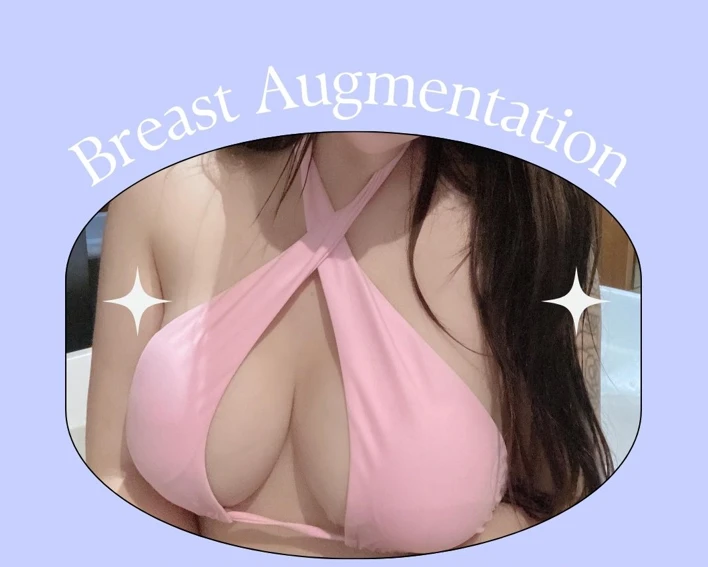
Breast augmentation recovery is the structured healing process your body goes through after breast implant surgery — from the first swollen, tender days, through the weeks when the implants gradually settle, to the months it takes for the breasts to soften into their final shape. How carefully you follow your breast surgery aftercare directly affects both how quickly you heal and the quality of your long-term result. Whether you are still considering surgery or have recently undergone it, you likely have the same questions: what is normal, when can you return to everyday activities, and which symptoms mean you should call your surgeon.
This comprehensive guide covers everything you need to know about breast augmentation recovery, from the initial healing phase through long-term care, from a professional medical perspective. We’ve carefully organized the recovery phases, precautions, and tips for achieving optimal results. In addition to breast augmentation recovery, understanding breast reduction surgery preparation tips can also enhance your overall experience. Being well-informed about pre-surgery requirements and post-operative care is crucial for a successful outcome. Our guide includes essential information to help facilitate a smoother recovery process, ensuring that patients feel supported every step of the way.
Table of contents
Understanding Initial Breast Augmentation Recovery
The first two weeks following breast augmentation surgery are the most critical period in breast augmentation recovery, significantly impacting your final results. Immediately after surgery, you may experience some discomfort as you awaken from anesthesia, and feeling pressure and pain in the chest area is normal.
Changes During the First Week Post-Surgery
The first week after surgery is when swelling and bruising are most pronounced. Your breasts will feel firm, and movement may cause discomfort. These are all normal parts of the healing process.
- First 24-48 hours: The most uncomfortable period, requiring prescribed pain medication
- Days 3-5: Swelling peaks, with breasts feeling high and firm
- Days 5-7: Pain gradually decreases, allowing for light daily activities
Pain Management Guidelines and Medication
Effective pain management is crucial during recovery. Most patients experience moderate pain that can be adequately controlled with prescribed medications. For a deeper look at what to expect, see our complete guide to pain management after breast augmentation.
Tips for effective pain management:
- Take prescribed medications at the exact dosage and time recommended
- Keep a medication log to prevent overdosing
- Contact your surgeon immediately if pain intensifies or changes suddenly
- Inform your doctor about any other medications or supplements you’re taking
Swelling and Bruising: Normal Healing Process
Swelling and bruising are normal parts of breast augmentation recovery. Swelling typically decreases gradually over 3-4 weeks but may take 3-6 months to completely resolve. Most patients complete their primary breast augmentation recovery within 6 weeks, though full results take 3–6 months.
Tips for reducing swelling and bruising:
- Wear the recommended compression bra consistently
- Sleep with your upper body slightly elevated
- Consult with your doctor about applying cold compression (some surgeons may not recommend this)
- Reduce salt intake and maintain adequate hydration

Returning to Daily Activities After Breast Augmentation Recovery
When Can I Resume Normal Activities?
Returning to daily activities during breast augmentation recovery happens gradually. Most patients can engage in light activities within 1-2 days after surgery, but full recovery varies between individuals.
Typical timeline for returning to daily activities:
- 1-3 days post-surgery: Light activities around the house
- 3-7 days post-surgery: Return to light desk work possible
- 7-10 days post-surgery: Most non-physical daily activities possible
- 2-3 weeks post-surgery: Most normal activities possible (excluding heavy lifting)
- 4-6 weeks post-surgery: Almost all activity restrictions lifted
Sleeping Positions and Movement Precautions
Proper sleeping position after breast augmentation significantly impacts recovery and results. It’s essential to maintain a back-sleeping position (supine) for at least two weeks after surgery.
Sleeping and movement precautions:
- Avoid sleeping on your side or stomach, as these positions can cause implant displacement or scar issues
- Use pillows or cushions to keep your upper body slightly elevated during sleep
- Avoid sudden movements or reaching your arms upward
- Keep your elbows close to your body when opening doors or grasping objects
- Avoid sudden twisting movements and move slowly
Workplace Return and Household Activities Considerations
The timing for returning to work depends on your job requirements and individual breast augmentation recovery rate. Office workers can typically return within a week after surgery, while physically demanding jobs may require 2-4 weeks of recovery.
Work and household activity considerations:
- Increase your workload gradually while monitoring your body’s response
- Take short breaks every 2-3 hours
- Avoid lifting heavy objects (over 10 pounds) for 4-6 weeks
- Seek help from family or friends with household chores
- If you need to lift your children, consult your surgeon about safe methods
Special Post-Surgery Care: Compression Bras and Massage
What Type of Bra Should I Wear After Breast Augmentation?
Wearing a specially designed compression bra or medical bra is essential after breast augmentation surgery to support a smooth recovery. These bras help keep implants in the correct position, reduce swelling, and promote healing.
Compression bra guidelines:
- Wear the bra 24 hours a day (except when showering) for the duration recommended by your surgeon (typically 4-6 weeks)
- Front-closure bras without underwire or padding are ideal
- Ensure moderate compression—not too tight or too loose
- Transition to sports bras after the medical bra phase
- Avoid underwire bras for up to 3 months without your surgeon’s approval
Compression bras are often provided as part of the mineclinic breast augmentation recovery package, with recommendations tailored to your body type and surgical technique. For detailed guidance on choosing the right compression bra at each stage, see our dedicated guide.
Proper Breast Massage Techniques and Timing
Post-surgical breast massage is intended to help keep the tissue around the implants soft and to support a natural shape. Massage typically begins 1-2 weeks after surgery, following your surgeon’s instructions.
The aim is to reduce the risk of capsular contracture — the condition in which the thin layer of scar tissue (the “capsule”) that your body naturally forms around any implant tightens and hardens. Capsular contracture is the single most common reason women eventually need revision surgery, although it still affects only a small share of patients: large studies report it in roughly 3-4% of women after a first augmentation. Medical research links many cases to low-grade bacterial contamination (a “biofilm”) on the implant surface, which is why surgeons place so much emphasis on meticulous sterile technique during surgery and clean, gentle handling afterward.
It is worth knowing that the rigorous clinical evidence that massage itself prevents contracture is still limited — so treat it as one part of careful aftercare and follow your own surgeon’s specific routine rather than generic advice.
Massage guidelines:
- Always massage with clean hands and gentle pressure
- Follow the specific massage techniques prescribed by your surgeon
- Avoid excessive pressure and massage gently
- Generally recommended 3-4 times daily for 5-10 minutes each session
- Discontinue immediately and consult your surgeon if you experience pain or discomfort
Exercises for Implant Position Stabilization
Light exercises for implant position stabilization should begin only according to your surgeon’s instructions. These movements are commonly taught to help implants settle into a natural position and keep the breasts symmetrical — supporting the gradual drop and fluff process in which the implant pocket relaxes over the first few months. Be aware that the formal clinical evidence for these exercises is limited, so whether and how you do them should follow your surgeon’s preference rather than a one-size-fits-all plan.
Examples of implant stabilization exercises:
- Displacement Exercise: Gently moving implants up, down, inward, and outward according to your surgeon’s instructions
- Compression Exercise: Gently compressing breasts in specific directions to help the implant pocket form naturally
- Massage-integrated stretching: Gently moving your arms while stretching the tissue around implants
These exercises should be personalized based on your surgical technique and body type by mineclinic’s specialist medical team.
Exercise and Physical Activity Following Breast Augmentation
When Can I Exercise After Breast Augmentation?
Exercise and physical activity should be reintroduced gradually after breast augmentation. Resuming too early can delay your recovery and increase complication risks.
General exercise resumption timeline:
- 1-2 weeks post-surgery: Begin light walking
- 3-4 weeks post-surgery: Light lower-body focused cardio possible
- 4-6 weeks post-surgery: Begin light upper body exercises
- 6-8 weeks post-surgery: Resume most regular exercises
- 3 months post-surgery: High-intensity exercise and weight training possible
“Exercise resumption schedules vary based on individual recovery rates and surgical techniques. Always prioritize your surgeon’s instructions.” – American Society of Plastic Surgeons
Phased Exercise Return Program
A phased approach to exercise after breast augmentation promotes recovery and minimizes complication risks. Here’s an example of a typical phased exercise return program:
Phase 1 (1-2 weeks post-surgery):
- Light walking (10-15 minutes, 1-2 times daily)
- Ankle pumping exercises
- Deep breathing exercises
Phase 2 (3-4 weeks post-surgery):
- Increased walking duration and intensity (20-30 minutes, 1-2 times daily)
- Light lower body exercises (sit-to-stand, heel raises)
- Stationary bike (low resistance)
Phase 3 (4-6 weeks post-surgery):
- Light lower body strength training
- Light upper body exercises with elbows kept close to body
- Swimming (with surgeon’s approval)
Phase 4 (6-8 weeks post-surgery):
- Resume most cardio exercises
- Light weight training (caution with upper body)
- Low-intensity yoga or Pilates
Phase 5 (3+ months post-surgery):
- Resume high-intensity exercise
- Full-range upper body weight training
- Contact sports (with surgeon’s approval)
Exercises and Positions to Avoid
Certain exercises and positions after breast augmentation can delay your recovery or negatively impact results and should be avoided. For a fuller list of activities to avoid after surgery, see our dedicated guide.
Exercises and positions to avoid:
- Exercises directly stressing chest muscles: Push-ups, bench presses, pull-ups
- Exercises requiring sudden upper body movements: Tennis, golf, swimming (especially butterfly stroke)
- Heavy lifting: Including carrying children or heavy bags
- Positions putting pressure on breasts: Sleeping on stomach, yoga child’s pose
- Vigorous running or jumping: Running, jump rope, HIIT exercises
Potential Complications and How to Address Them
Distinguishing Normal Symptoms from Complications
Understanding potential complications is an important part of breast augmentation recovery. After surgery, it’s important to distinguish between normal recovery symptoms and complications requiring medical intervention.
Normal symptoms:
- Moderate pain and discomfort (gradually decreasing over time)
- Swelling and bruising (gradually decreasing)
- Temporary sensation changes or numbness
- Tingling or burning sensations in breast skin
- Initial breast shape appearing high and firm (softens over time)
Abnormal symptoms (requiring medical consultation):
- Fever above 100.4°F (38°C)
- Increasing pain or sudden severe pain
- Severe redness, warmth, or pus-like discharge from incision sites
- Severe swelling or inflammation (especially on one side only)
- Difficulty breathing or chest pain
- Implant deformation or displacement
Warning Signs That Require Immediate Medical Attention
Some symptoms may indicate serious complications requiring immediate medical attention. If you experience any of the following, contact your medical provider immediately or visit a hospital:
Symptoms requiring immediate medical attention:
- Sudden severe swelling (especially on one side only)
- Severe pain that persists or worsens
- Fever above 100.4°F (38°C)
- Pus or foul-smelling discharge from incision sites
- Difficulty breathing or chest pain
- Skin becoming pale or bluish
- Sudden enlargement or shape change in one breast only
Implant Considerations and Long-Term Monitoring
Breast implants are not permanent and require long-term monitoring and care. According to the American Society of Plastic Surgeons, implants typically last 10-15+ years, but this varies between individuals. According to ASPS guidelines, all breast implants should be evaluated by your surgeon at the 10–15 year mark, regardless of whether you have symptoms. This is standard guidance — not because implants always fail, but because regular evaluation is a key part of long-term breast augmentation recovery and implant care.
Long-term implant care guidelines:
- Attend regular surgeon check-ups — more closely during the first year, when most capsule-related problems tend to appear, and then at least once a year afterward
- Monitor for signs of implant rupture (changes in size or shape, pain, firmness)
- Consider periodic MRI or ultrasound screenings (as recommended by your surgeon)
- Consult your surgeon immediately if you notice breast changes or unusual symptoms
- Stay informed about implant safety updates and information
Scar Management and Long-Term Care After Breast Augmentation
How Should I Manage Scars After Breast Augmentation?
Scar management after breast augmentation significantly impacts the aesthetic aspect of your final surgical result. Scar management is a critical aspect of long-term breast augmentation recovery. Depending on the surgical approach, scars may be located around the areola, under the breast fold, or in the armpit.
Effective scar management methods:
- Follow your surgeon’s instructions: Precisely follow your surgeon’s wound care guidelines
- Silicone gel sheets or creams: Use silicone products as recommended by your surgeon
- Limit sun exposure: Protect scars from direct sunlight for at least one year
- Massage: Gently massage the scar area as directed by your surgeon
- Compression therapy: Use compression therapy if recommended by your surgeon
- Nutrition management: Consume foods rich in vitamin C, E, and zinc to support collagen production
Scar improvement timelines vary by patient. Research in Asian patients shows that scar hypervascularity (the initial redness) tends to fade gradually over several years — with most improvement occurring between years 3 and 4 after surgery, and continued fading into year 5. This means your scars may keep visibly improving for years, so patience and consistent scar care are key.
Long-Term Implant Care and Regular Check-Up Importance
Breast implants require regular monitoring, and regular check-ups are essential for long-term health.
Long-term implant care guidelines:
- Regular check-ups: Schedule check-ups one year after surgery, then every 1-2 years
- Self-examination: Perform monthly self-examinations to check for changes
- Imaging tests: Schedule MRI or ultrasound tests as recommended by your surgeon to check implant condition
- Implant replacement: Be aware that implants (typically lasting 10-15+ years) may need replacement
- Lifestyle habits: Maintain appropriate lifestyle habits to extend implant lifespan
Lifestyle Management for Long-Lasting Results
Maintaining healthy lifestyle habits is essential for preserving breast augmentation results long-term.
Lifestyle tips for maintaining results:
- Weight management: Maintain stable weight, as significant weight fluctuations can affect breast shape and size
- Avoid smoking: Smoking delays recovery and negatively impacts skin elasticity long-term
- Sun protection: Protect your chest area from sun exposure to maintain skin elasticity and implant lifespan
- Proper bra wear: Wear bras that provide adequate support for breast tissue and implants
- Healthy diet: Maintain a balanced diet rich in nutrients that support collagen production
- Hydration: Maintain adequate hydration for skin health and elasticity
Frequently Asked Questions About Breast Augmentation Recovery (FAQ)
Here are answers to the most commonly asked questions about breast augmentation recovery.
When can I shower after breast augmentation surgery?
Showering is typically possible 48-72 hours after surgery. However, take care to keep incision sites from direct water contact, and use waterproof dressings according to your surgeon’s instructions. Avoid baths, saunas, or swimming for at least 3-4 weeks.
When can I fly after breast augmentation surgery?
Short flights (under 2 hours) are generally possible about one week after surgery, while long-distance flights should be delayed until 2-3 weeks post-surgery. During flights, wear an appropriate compression bra and move regularly to promote circulation.
My breasts feel very firm after augmentation. Is this normal?
It’s completely normal for breasts to feel firm initially after surgery. This firmness is caused by swelling and the capsule (a thin layer of collagen tissue) that your body naturally forms around the implant. This capsule development is a normal part of healing: over the first 3 months, the collagen gradually organizes into well-structured layers, and your breasts will progressively soften. Most patients notice a significantly more natural feel and shape by 3–6 months as part of the breast augmentation recovery process.
Can I breastfeed after breast augmentation surgery?
In most cases, breastfeeding remains possible after breast augmentation, especially if surgical techniques preserving glandular tissue were used. The surgery generally doesn’t significantly impact breastfeeding ability. However, individual differences exist, so if you’re planning pregnancy, discuss this with your surgeon before surgery.
How should I perform breast examinations after augmentation?
Regular breast examinations remain extremely important after breast augmentation. Perform self-examinations monthly and follow your doctor’s recommendations for professional screenings (mammography, ultrasound). When having imaging tests, always inform the technician about your implants, as additional imaging views may be necessary.
Will sensation loss after surgery recover?
Temporary sensation changes or numbness are common after surgery and typically recover gradually within 3-6 months. However, some patients may experience permanent sensation changes. Sensation recovery varies greatly from person to person, so consult your surgeon for personalized information.
Conclusion: The Importance of Professional Care for Successful Breast Augmentation Results
Breast augmentation is not merely a cosmetic procedure but an important decision that significantly impacts quality of life and self-confidence. Successful breast augmentation recovery outcomes depend not only on the surgery itself but also on how diligently post-surgical care is followed.
As we’ve explored throughout this guide, appropriate care and precautions at each stage—from initial recovery through long-term maintenance—are essential. Following your surgeon’s instructions regarding pain management, proper posture and activity levels, special bra wear, exercise resumption timing, and scar management is the shortest path to optimal results.
Above all, breast augmentation aftercare varies between individuals, requiring a personalized care plan based on your condition and recovery progress. This necessitates ongoing communication with an experienced specialist and regular check-ups.
Recognized for its commitment to surgical excellence, mineclinic provides specialized breast augmentation medical staff and systematic post-surgical care programs to help patients achieve safe and satisfying recovery. From pre-surgical consultation through long-term care, personalized attention at every step ensures optimal results.
If you’re considering breast augmentation or need more detailed information about post-surgical care, schedule a personalized 1:1 consultation with a specialist for accurate information and guidance. We’re committed to being your trusted partner for your beauty and healthy recovery.
Medical Disclaimer: ※ This content is for informational purposes only and does not replace professional medical advice, diagnosis, or treatment. Individual results may vary, and side effects may occur. Please consult with a board-certified plastic surgeon for personalized advice.
Have Questions?
Contact mineclinic for a consultation with our expert plastic surgeons to discuss your breast augmentation recovery concerns. Our specialists can provide personalized advice based on your unique situation.
※ This content is for informational purposes only and does not replace professional medical advice, diagnosis, or treatment. Individual results may vary, and side effects may occur. Please consult with a board-certified plastic surgeon for personalized advice.