EN
EN

Submandibular gland reduction surgery is a specialized procedure aimed at altering the size and function of the submandibular glands, often for medical or cosmetic reasons. While the procedure has proven benefits, understanding its potential side effects is crucial for patients considering this surgery. This comprehensive guide explores common side effects, prevention strategies, and management tips to ensure a smooth recovery, offering guidance for both preoperative preparation and postoperative care.
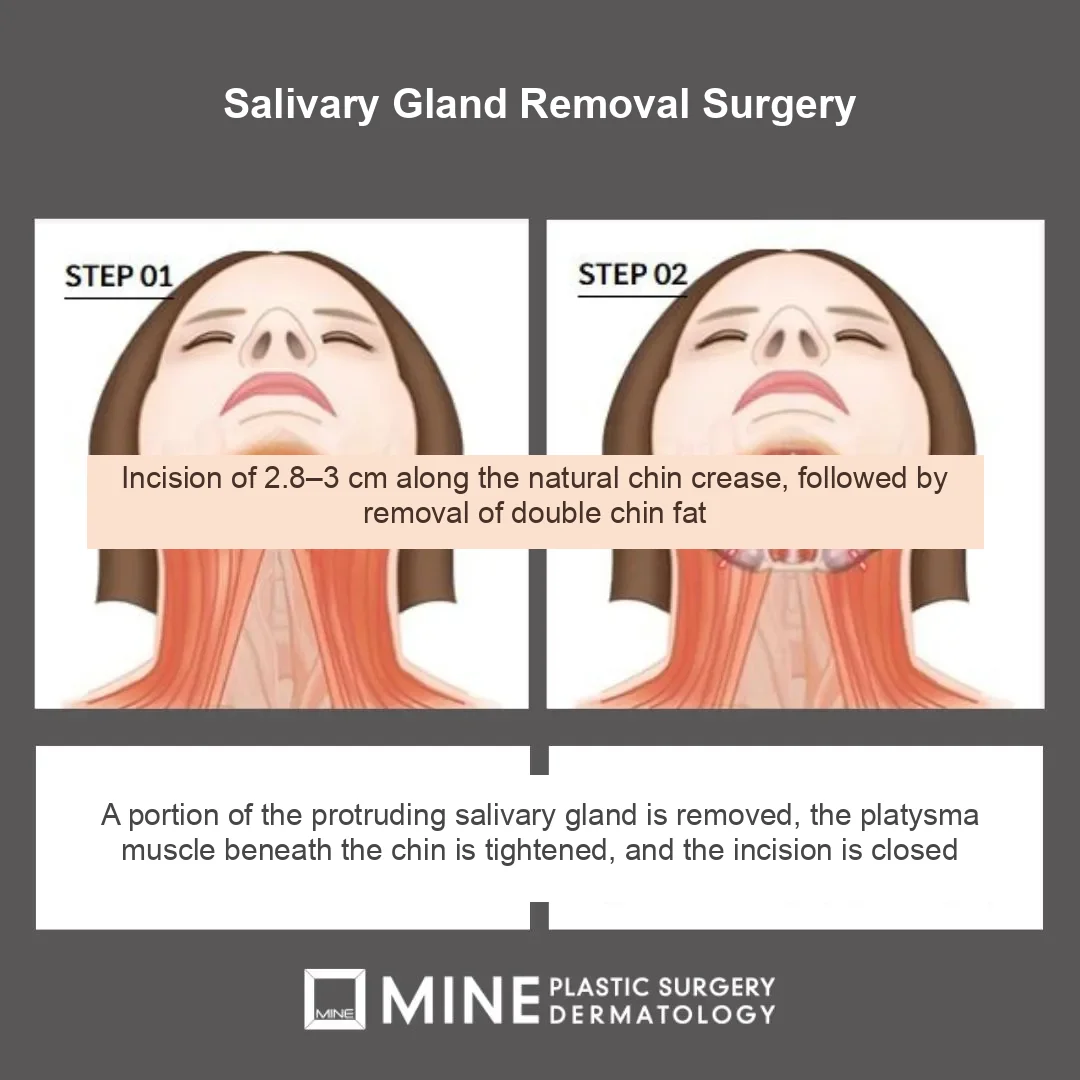
In simple terms, submandibular gland reduction is an operation that removes or shrinks the saliva-producing glands sitting just under the jawline. Like any neck operation, it carries a set of well-documented side effects, but most are temporary and many can be minimized with the right surgical planning and aftercare. Below, we walk through what the medical literature actually reports, explained in everyday language.
Table of Contents
Table of Contents
Understanding Submandibular Gland Reduction Surgery
The submandibular glands are part of the salivary gland system, located beneath the lower jaw. They play a vital role in saliva production, contributing to digestion and oral health. Reduction surgery is typically performed to address conditions such as chronic infections, swelling, or for cosmetic purposes to contour the lower face. This surgery often requires a detailed understanding of glandular anatomy and precise surgical technique to minimize complications.
Why does anatomy matter so much? According to surgical texts on the salivary glands, the submandibular glands produce the majority of the saliva your mouth makes at rest. They also sit surrounded by delicate structures: the marginal mandibular nerve (the branch of the facial nerve that lifts the lower lip), the hypoglossal nerve (which moves the tongue), the lingual nerve (which carries taste and sensation to the tongue), and Wharton’s duct (the tube that drains saliva).
The lingual nerve, in particular, runs so closely alongside the salivary duct that the two can look almost identical during surgery. Because of this crowded neighborhood, submandibular gland reduction demands a surgeon who can identify and protect each structure. Understanding this map is the single most important reason that experience matters for this operation.
For more foundational information, read about What Are Salivary Glands and the Submandibular Gland? Complete Analysis of Functions and Roles. For an independent overview of the anatomy, the U.S. National Library of Medicine also publishes a detailed reference on the submandibular gland.
Common Side Effects of Submandibular Gland Reduction Surgery
1. Swelling and Bruising
Post-surgical swelling and bruising are common as the body’s natural response to healing. Swelling occurs as part of the inflammatory phase, where blood vessels dilate to allow immune cells to repair tissues. Bruising, on the other hand, results from small blood vessels being damaged during surgery, leading to localized bleeding under the skin. These effects usually subside within 1-2 weeks, although in some cases, minor residual swelling may persist for a month.
A related concern is bleeding that collects under the skin, which surgeons call a hematoma, or a pocket of fluid known as a seroma. Published complication rates put hematoma formation in the low single digits to roughly ten percent of cases, and saliva-fluid pockets (sialoceles) at around one percent. In the rare situation where bleeding gathers in the closed space of the neck, it can press on the airway — which is why the surgical literature recommends careful control of every blood vessel, reducing the empty space left after the gland is removed, and keeping patients for overnight observation. This is precisely why submandibular gland reduction is treated as an inpatient-level procedure rather than a quick outpatient visit.
Prevention and Management:
- Apply cold compresses intermittently during the first 48 hours post-surgery to reduce inflammation and constrict blood vessels.
- Elevate your head while sleeping to minimize swelling and improve blood circulation to the affected area.
- Avoid strenuous activities or bending over, which can exacerbate swelling and bruising by increasing blood pressure in the area.
- Keep any drainage tube in place as directed; it is often used briefly to prevent fluid from collecting and is usually removed within a few days.
2. Pain and Discomfort
Mild to moderate pain around the surgical site is typical and can be managed effectively with prescribed medications. Pain often decreases significantly after the first few days but may linger as mild tenderness for a few weeks.
Prevention and Management:
- Take prescribed pain relievers on a consistent schedule for the first few days post-surgery.
- Use over-the-counter options such as ibuprofen for mild discomfort after initial recovery.
- Practice gentle jaw and neck exercises as directed to prevent stiffness and enhance mobility.
For related content, check out Precautions During Recovery Period after Submandibular Gland Reduction Plastic Surgery.
3. Temporary Numbness and Nerve-Related Effects
Nerve sensitivity in the jaw and neck area can lead to temporary numbness, which usually resolves within a few weeks to months. In rare cases, numbness may last longer due to nerve irritation, potentially leading to permanent sensitivity changes or localized discomfort. While such outcomes are uncommon, they highlight the importance of early assessment and intervention.
The nerve most often affected during submandibular gland reduction is the marginal mandibular nerve, which controls the muscles that move the lower lip. When it is temporarily bruised or stretched, patients may notice a slightly uneven smile or weakness on one side of the lower lip. The medical literature describes this temporary weakness as usually short-lived, and surgeons reduce the risk by placing the incision about three centimeters below the jaw angle, keeping it safely away from the nerve. Less commonly, the tongue’s movement (hypoglossal nerve) or its sensation and taste (lingual nerve) can be affected. Modern refinements such as energy-based sealing instruments and careful dissection are designed specifically to protect these nerves.
Prevention and Management:
- Avoid putting pressure on the surgical site, especially during the initial recovery phase.
- Follow your surgeon’s guidelines for neck movements and gentle stretches to improve circulation.
- Report prolonged numbness to your doctor for a detailed evaluation and potential additional treatments, such as nerve stimulation therapy or medications to support nerve healing.
4. Salivary Gland Dysfunction and Dry Mouth
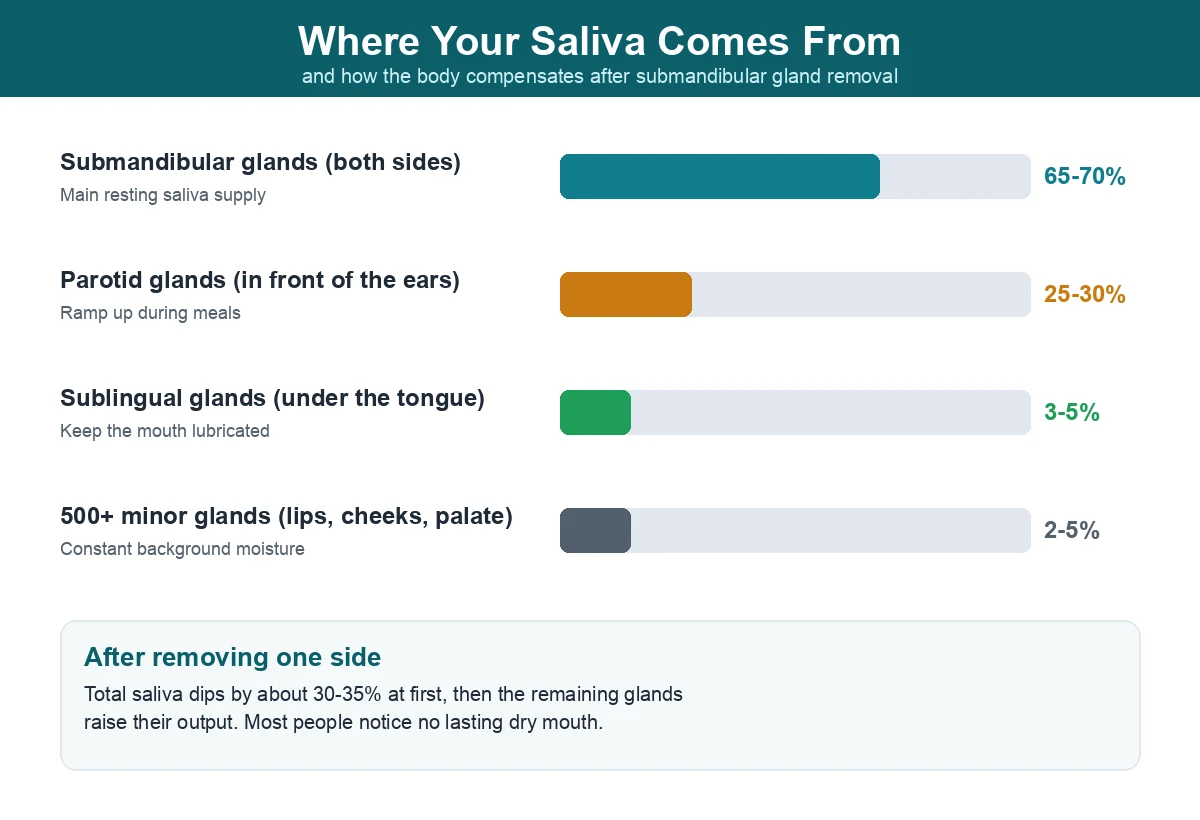
Reduction of the submandibular glands may temporarily affect saliva production, leading to dry mouth or mild discomfort while eating. This is generally short-term and improves as the body compensates.
Here is the reassuring part: even though the submandibular glands make most of your resting saliva, they are not your only source. You also have two large parotid glands in the cheeks, the sublingual glands under the tongue, and many small glands lining the mouth. When one pair of submandibular glands is reduced, these remaining glands generally increase their output — a natural back-up system. That is why serious, lasting dry mouth (xerostomia) is reported in only a tiny fraction of cases in the surgical literature. Most patients feel some early dryness that eases as the mouth adjusts over the following weeks.
Prevention and Management:
- Stay hydrated by drinking plenty of water throughout the day.
- Use saliva substitutes or moisturizing mouth sprays to alleviate dryness if recommended.
- Include foods with higher moisture content in your diet, such as soups and fruits.
Explore the Effects and Side Effects of Salivary Gland Botox for a comparative analysis of alternative treatments.
5. Infection
Though rare, infections can occur at the surgical site, causing redness, fever, and increased pain. Early intervention can prevent complications. Reported wound infection rates after submandibular gland surgery generally fall within the low single-digit to low double-digit percentage range, and the risk is lowered further by clean surgical technique and the appropriate use of antibiotics.
Prevention and Management:
- Keep the incision site clean and dry by following your surgeon’s cleaning instructions.
- Take antibiotics exactly as prescribed by your doctor to prevent bacterial growth.
- Watch for warning signs, such as persistent swelling or discharge, and contact your healthcare provider if needed.
For more tips, visit Preoperative Preparations and Necessary Examinations.
6. Scarring
Scarring is an inevitable outcome of any surgical procedure. However, submandibular gland reduction surgery typically involves minimal visible scarring due to careful incision placement and modern surgical techniques. These techniques often include the use of smaller, strategically positioned incisions, advanced suturing methods, and minimally invasive tools that reduce tissue trauma and promote faster healing.
Prevention and Management:
- Use silicone-based scar creams or patches as recommended by your surgeon to reduce the appearance of scars.
- Protect the scar from direct sunlight to avoid discoloration by using sunscreen or covering the area.
- Massage the scar gently after it has healed to improve texture and flexibility.
Read Scar Management Products and Methods for detailed solutions.
7. Prolonged Swelling or Stiffness
In rare cases, swelling or stiffness in the surgical area can persist beyond the typical recovery period. This may require additional evaluation or therapy.
Prevention and Management:
- Engage in physical therapy or recommended exercises to improve mobility.
- Maintain a healthy diet rich in anti-inflammatory foods to aid recovery.
Recovery Timeline After Submandibular Gland Reduction
Knowing what a normal recovery looks like helps you tell healthy healing apart from a warning sign. While every patient differs based on age, general health, and conditions such as diabetes, a typical timeline after submandibular gland reduction follows this pattern:
- Days 1–2: In-hospital observation, mainly to watch for bleeding and to remove any drainage tube once fluid output settles.
- Week 1: Basic daily activities are usually resumed. Swelling and bruising are at their most noticeable during these first days.
- Week 2: Most of the swelling and bruising fades, and any temporary numbness often begins to improve.
- Weeks 3–4: Light exercise can typically be reintroduced, with a fuller return to normal activity around six weeks.
Prevention and Long-Term Management of Side Effects
Importance of Choosing a Specialist
Selecting a qualified and experienced specialist is the most critical step in minimizing risks and side effects. Look for board-certified surgeons who have specialized training in salivary gland procedures. Additionally, ensure they have a proven track record, which can be verified through patient testimonials, before-and-after photos, or professional affiliations such as memberships in reputable surgical associations like the American Society of Plastic Surgeons or equivalent organizations in your region. These credentials significantly reduce the likelihood of complications.
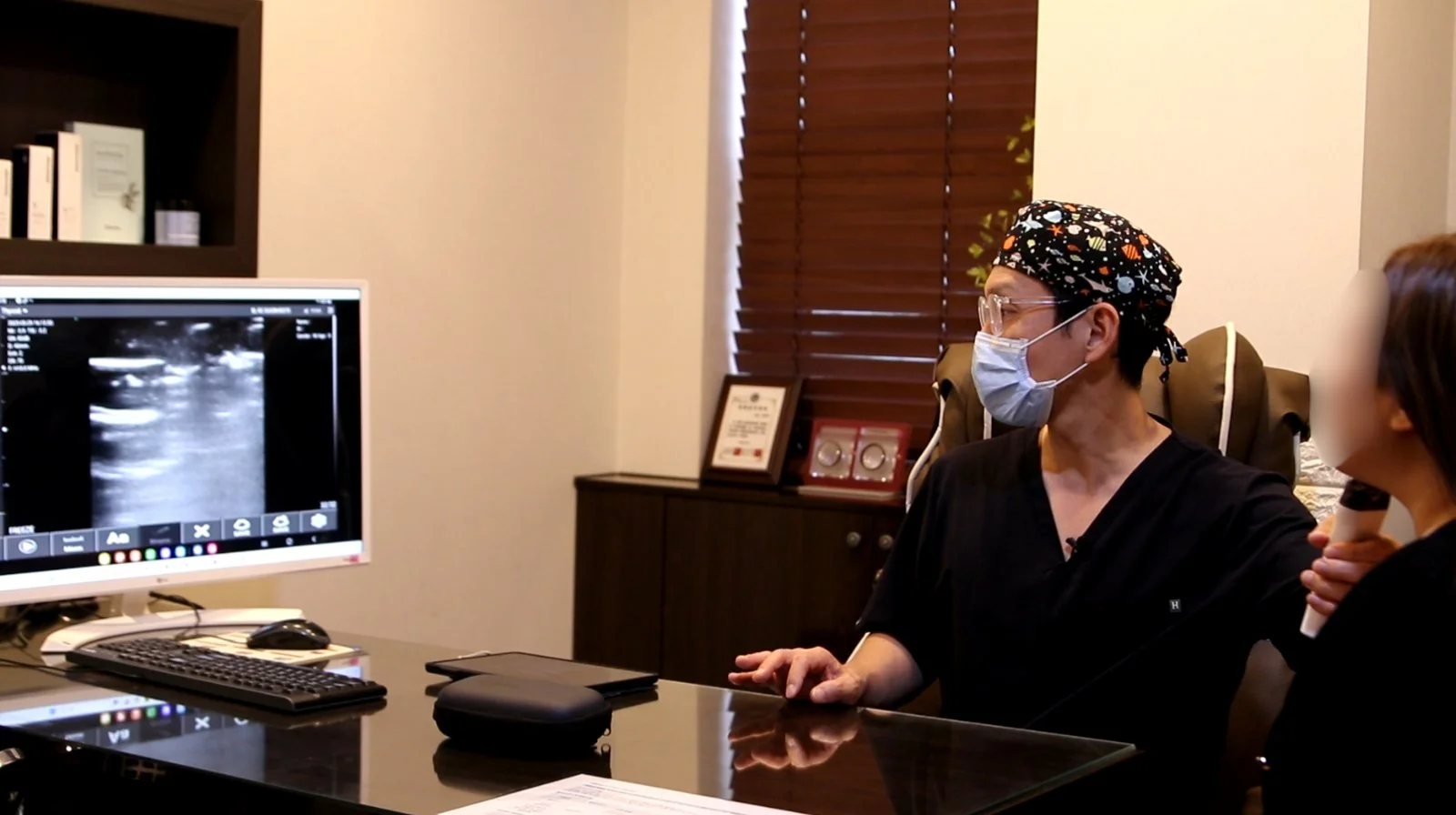
Careful preoperative assessment is itself a form of prevention. Because the safety of submandibular gland reduction depends heavily on the surrounding nerves and blood vessels, an experienced surgeon maps your anatomy before surgery — often using imaging such as ultrasound — and plans the incision accordingly. This planning stage is where many potential side effects are avoided before the first incision is made.
To learn more about this, read Importance of Choosing a Specialist.
Lifestyle Adjustments
Adopting a healthy diet and lifestyle during recovery can significantly improve healing and reduce the risk of complications. Incorporate nutrient-dense foods, stay hydrated, and follow your surgeon’s recovery guidelines meticulously.
Visit Diet and Lifestyle Management after Submandibular Gland Reduction Plastic Surgery for actionable tips.
Frequently Asked Questions
Are the results of submandibular gland reduction permanent?
Yes. Because the gland tissue that is removed does not grow back, the reduction in size is generally permanent. The contour improvement along the jawline and neck is therefore long-lasting, though natural aging of the surrounding skin and tissues continues over time and can affect the overall appearance.
Will my mouth stay dry after the surgery?
Usually not for long. Although the submandibular glands produce most of your resting saliva, the parotid, sublingual, and many minor glands compensate by increasing their output. Serious, lasting dry mouth is reported in only a very small share of cases, and most patients notice only mild early dryness that eases within a few weeks.
How long is the recovery after submandibular gland reduction?
Most patients spend one to two days under observation, resume basic activities within a week, and see the bulk of swelling and bruising fade by two weeks. Light exercise is usually reintroduced at three to four weeks, with a fuller return to normal activity around six weeks, depending on individual health.
What is the risk of nerve damage?
The marginal mandibular nerve, which moves the lower lip, is the structure most commonly affected, and any weakness is typically temporary. Surgeons lower this risk by placing the incision about three centimeters below the jaw angle and by identifying and protecting the nerve during dissection. Permanent nerve injury is uncommon in experienced hands.
Will the scar be visible?
Submandibular gland reduction is planned so the incision sits in a discreet position under the jawline, where it is not easily seen. With careful closure, silicone scar care, and sun protection during healing, most scars fade to a fine line over several months, though individual healing varies.
Considering submandibular gland reduction? Every neck and jawline is different, so the safest path is a personalized assessment. Contact MINE Plastic Surgery & Dermatology in Seoul for a consultation to discuss whether this procedure suits your anatomy and goals. Call +82-2-516-1175 or reach us via our official channels to arrange an evaluation with a board-certified specialist.
※ This content is for informational purposes only and does not replace professional medical advice, diagnosis, or treatment. Individual results may vary, and side effects may occur. Please consult with a board-certified plastic surgeon for personalized advice.
※ This content is for informational purposes only and does not replace professional medical advice, diagnosis, or treatment. Individual results may vary, and side effects may occur. Please consult with a board-certified plastic surgeon for personalized advice.