EN
EN


Table of contents

Why Do Neck Wrinkles Form and How Should We Manage Them?
Neck wrinkle treatment refers to the range of non-surgical, minimally invasive, and surgical options used to reduce horizontal neck lines, vertical platysmal bands (turkey neck), and sagging skin. Because the neck ages differently from the face, choosing the right approach starts with understanding why those lines and folds appear in the first place.
As we age, one of the most visibly affected areas is the neck. This explains the growing interest in neck wrinkle treatments. The skin on the neck is thinner than facial skin and has fewer sebaceous glands, making it prone to dryness. Continuous muscle movements, poor posture, and gravity all contribute to the formation of neck wrinkles.
Neck wrinkles typically appear as horizontal lines (transverse wrinkles), vertical lines (platysmal bands), and sagging (turkey neck). These aging signs extend beyond cosmetic concerns and can cause psychological discomfort, making appropriate care and treatment necessary.
It helps to know that the two wrinkle patterns have different underlying causes. Horizontal lines are largely a skin-and-posture problem, driven by thin neck skin, sun damage, and the constant crease we make when we look down at phones. Vertical bands, on the other hand, come from the platysma (the thin, sheet-like muscle that wraps the front of the neck). Medical texts on neck rejuvenation describe how the platysma sits in the same tissue layer as the SMAS (the supportive muscle-and-fascia layer of the face) with few firm attachments to the jawbone. Because the two share a layer, when the SMAS loosens with age the platysma slackens with it, and the muscle edges begin to show as visible cords. This is why an honest assessment separates surface lines from muscle-driven bands, since each responds to a different kind of treatment.
Treatment options for neck wrinkles range from non-invasive methods to minimally invasive procedures and surgical approaches. This article compares various neck wrinkle treatments and their characteristics to help you select the option best suited to your needs.
What Types of Neck Wrinkle Treatments Are Available?
Neck wrinkle treatments fall into three main categories:
1. Non-Surgical Neck Wrinkle Treatments
Non-surgical treatments offer shorter recovery periods and lower risk of side effects, but their results are often temporary.
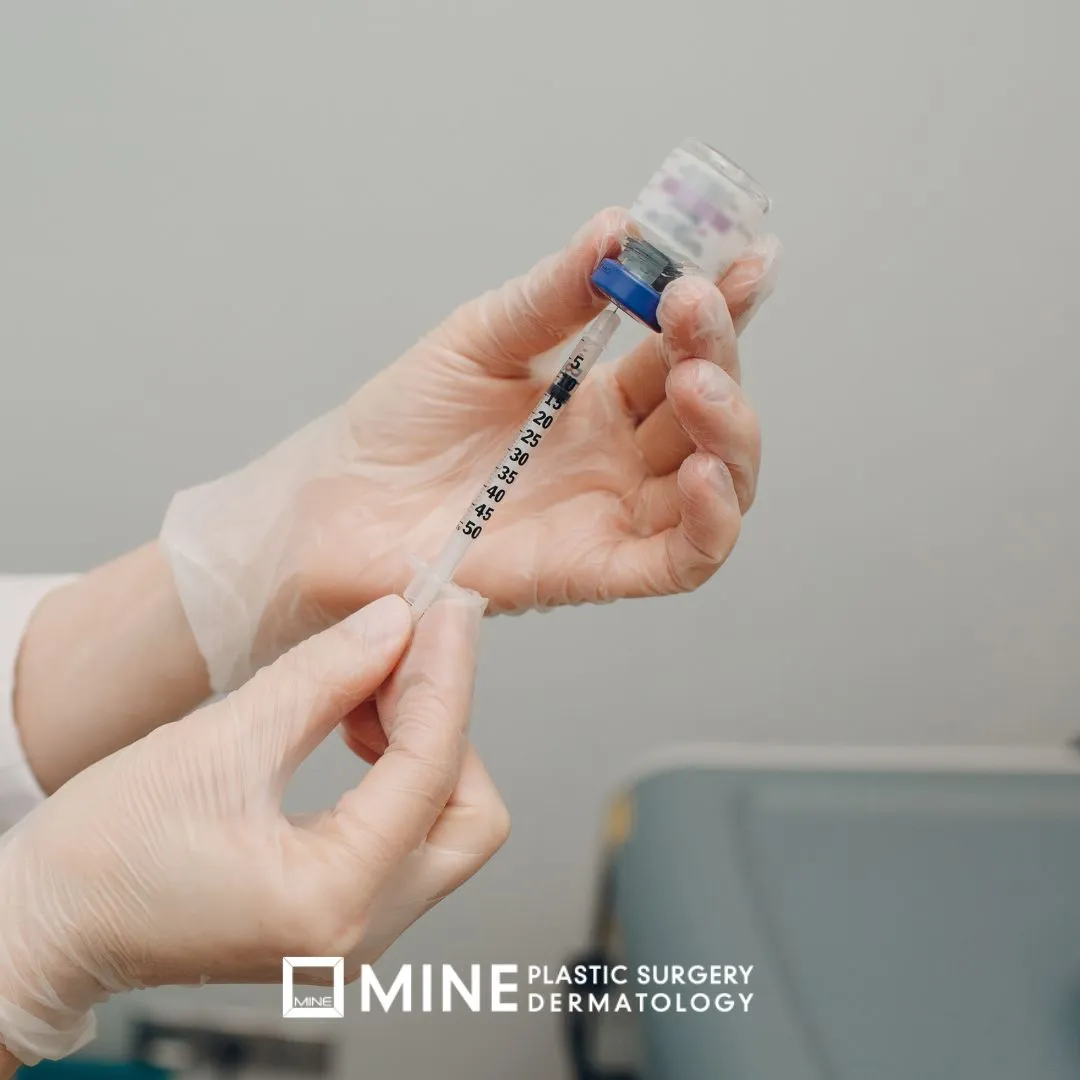
Botox
Botox temporarily relaxes neck muscles, reducing wrinkles caused by muscle activity.
In practical terms, botulinum toxin A is most useful for the vertical bands of a “turkey neck,” because it softens the pull of the platysma muscle that makes those cords stand out. Medical literature is clear about its limits, though: relaxing the muscle does not tighten skin that has already stretched, and it cannot erase thick, well-established bands on its own. It works best as an early or supportive measure rather than a fix for advanced sagging. One more reason to see an experienced injector is anatomy: the neck muscles sit close to the muscles used for swallowing and speaking, so an accurate dose and injection depth matter. You can read more about safe injection zones in our guide to Botox treatment areas.
- Suitable candidates: Patients up to early 40s with vertical neck lines caused by muscle tension
- Duration of effects: 3-4 months
- Advantages: Quick procedure, no recovery time
- Disadvantages: Temporary effect, requires repeat treatments; cannot correct already-sagging skin or severe bands
Fillers
Injecting hyaluronic acid or calcium hydroxyapatite fillers restores volume to the neck skin.
- Suitable candidates: Shallow neck wrinkles, mild loss of skin elasticity
- Duration of effects: 6-12 months
- Advantages: Immediate results, minimally invasive
- Disadvantages: Temporary effect, potential for filler migration in the neck area
Laser Treatments
Treatments like Fraxel, Ulthera, or CO2 lasers stimulate collagen production and improve skin elasticity.
- Suitable candidates: Those needing skin texture improvement, shallow neck wrinkles
- Duration of effects: 1-2 years
- Advantages: Non-invasive, also improves skin tone
- Disadvantages: Multiple sessions required, gradual results
2. Minimally Invasive Neck Wrinkle Treatments
Minimally invasive procedures offer longer-lasting results than non-surgical methods with shorter recovery times than surgical approaches.
Thread Lifting
Special threads are inserted deep into the skin to lift sagging tissue and stimulate collagen production.
One point that patients often miss is that threads work best as part of a combination, not on their own. Studies on thread lifting for the neck note that outcomes improve when threads are paired with an energy-based device, such as HIFU (focused ultrasound) or radiofrequency, to tighten skin, or with a small amount of botulinum toxin to calm the platysma muscle that keeps pulling downward. In other words, threads reposition tissue, while the added treatment addresses the skin quality and muscle tension that would otherwise drag the result back down. This is why a tailored plan usually layers two complementary tools rather than relying on threads alone.
- Suitable candidates: Mild neck sagging, patients in their 40s to early 50s
- Duration of effects: 1-3 years
- Advantages: Relatively quick recovery, long-term effects
- Disadvantages: Potential discomfort for some patients, possibility of thread exposure
Ultherapy
High-Intensity Focused Ultrasound (HIFU) stimulates deep skin layers to promote collagen production.
- Suitable candidates: Early to moderate skin sagging and loss of elasticity
- Duration of effects: 1-2 years
- Advantages: Non-invasive, no recovery period, natural lifting effect
- Disadvantages: Potential discomfort, results not immediately visible
Inmode (RF Treatment)
Radiofrequency energy stimulates not only the skin surface but also deep tissues to improve elasticity. For a closer look at how ultrasound and radiofrequency devices differ, see our RF lifting comparison.
- Suitable candidates: Moderate skin sagging, neck wrinkles that aren’t too deep
- Duration of effects: 1-2 years
- Advantages: Excellent skin tightening effect, also reduces fat
- Disadvantages: May require multiple sessions, temporary swelling
3. Surgical Neck Lift
Surgical methods provide the most dramatic results but involve longer recovery periods and relatively higher risks of side effects.
When vertical bands are strong, surgery has to address the muscle, not just the skin. Neck-rejuvenation texts emphasize that a surgeon should assess how lax the platysma is and, where the bands are prominent, stitch the muscle edges back together in the midline — a step called platysmaplasty (tightening the platysma muscle). Pulling the skin tight without correcting the muscle tends to disappoint: the bands commonly reappear soon after surgery because the underlying cords were never released or repaired. A well-planned neck lift therefore works in layers, repositioning the deep muscle-fascia support and then re-draping the skin over it, which is what allows the result to last for years rather than months.

Traditional Neck Lift
Surgery that cuts and repositions skin and muscles to improve neck contour.
- Suitable candidates: Severe neck sagging, excess fat, deep neck wrinkles
- Duration of effects: 5-10 years or more
- Advantages: Long-lasting and definitive results, dramatic improvement with one procedure
- Disadvantages: Extended recovery period, risk of scarring, higher risk of complications
Mini Neck Lift
A reduced version of the traditional neck lift performed with smaller incisions.
- Suitable candidates: Moderate neck sagging, patients under 60
- Duration of effects: 3-7 years
- Advantages: Shorter recovery time than traditional neck lift, effective lifting
- Disadvantages: Still an invasive surgery, potential scarring
How Should You Choose a Neck Wrinkle Treatment?
When selecting a neck wrinkle treatment, consider these factors:
1. Severity and Type of Neck Wrinkles
The appropriate treatment varies based on the severity and type of neck wrinkles.
- Mild wrinkles, early loss of elasticity: Botox, laser treatments, fillers
- Moderate wrinkles, skin sagging: Thread lifting, Ultherapy, Inmode
- Severe wrinkles, significant sagging, excess fat: Neck lift
2. Recommended Treatments by Age
Skin condition and neck wrinkle characteristics change with age, so certain treatments are more suitable for specific age groups.
- 30s: Preventive treatments like Botox, laser treatments
- 40s: Non-invasive or minimally invasive procedures (thread lifting, Ultherapy)
- 50s: Minimally invasive procedures or mini neck lift
- 60s and above: Neck lift may be most effective
3. Duration of Effects and Maintenance
Consider the desired duration of effects and the time you can dedicate to maintenance.
- Short-term effects (3-6 months): Botox, fillers
- Medium-term effects (1-2 years): Laser treatments, Ultherapy, Inmode
- Long-term effects (3+ years): Thread lifting, neck lift
4. Recovery Period and Return to Daily Activities
Consider the time needed for recovery and any restrictions on daily activities after treatment.
- Immediate recovery: Botox, fillers, some laser treatments
- Short-term recovery (1-3 days): Ultherapy, Inmode
- Medium-term recovery (3-7 days): Thread lifting, intense laser treatments
- Long-term recovery (2-4 weeks): Neck lift

5 Essential Factors to Check Before Getting Neck Wrinkle Treatment
1. Medical Staff Expertise and Experience
Neck wrinkle treatments require professional expertise. It’s important to choose experienced medical professionals like those at mineclinic. During your pre-treatment consultation, verify the doctor’s experience, qualifications, and previous cases.
2. Personalized Diagnosis and Planning
Rather than a standardized approach, you need a treatment plan tailored to your neck’s anatomical structure, skin condition, degree of wrinkles, and age. Ensure your doctor presents various options and explains their pros and cons.
3. Expected Results and Limitations
No treatment guarantees perfect results. It’s important to have realistic expectations about potential outcomes. Have an honest conversation with your doctor about the expected degree of improvement and limitations.
4. Side Effects and Risk Factors
All treatments have potential side effects and risks. Before treatment, ensure you fully understand possible side effects, recovery processes, and precautions. Referencing safety guidelines provided by the American Society of Plastic Surgeons can be helpful.
Surgery deserves a special word about later complications. According to plastic surgery texts, most late problems after a neck lift are contour-related and often trace back to removing too much fat: the neckline can look irregular or hollow, and the submandibular glands (the saliva glands that sit just under the jaw) can become more visible once the fat that hid them is gone. Fluid can also collect under the skin (a seroma) during healing. On the non-surgical side, the caution is different but real — because neck Botox is placed near the muscles used for swallowing and speech, an incorrect dose or location can, in rare cases, cause temporary difficulty swallowing. Neither point is a reason to avoid treatment; both are reasons to choose a board-certified specialist who knows the neck’s anatomy in detail.
5. Cost-Effectiveness
Evaluate the value of your investment considering the cost of the treatment and how long results last. Less expensive treatments might need to be repeated, while more expensive procedures might be economical in the long run. Remember that additional maintenance costs may be involved.
How Should You Prepare Before and After Neck Wrinkle Treatments?
Pre-Treatment Preparation
Follow these preparation guidelines to maximize effects and minimize risks:
- Medication adjustment: Certain medications like blood thinners and anti-inflammatories may need to be discontinued 1-2 weeks before treatment.
- Skincare adjustment: Stop using irritating ingredients (retinol, AHA/BHA) one week before treatment.
- Sun protection: Minimize sun exposure for two weeks before treatment and use SPF50+ sunscreen.
- Healthy lifestyle: Adequate hydration and avoiding smoking and alcohol will aid recovery.
Post-Treatment Care
Proper aftercare affects the quality and duration of results:
- Follow doctor’s instructions: Adhere strictly to specific care guidelines for each treatment.
- Swelling management: Cold compresses or compression bandages may be necessary.
- Avoid irritants: Skip saunas, hot showers, and intense exercise for two weeks.
- Sun protection: Avoid direct sunlight for at least two weeks and use SPF50+ sunscreen.
- Use recommended products: Apply recovery-promoting products recommended by your doctor.
- Follow-up appointments: Keep scheduled follow-up appointments to monitor results.
Real Case Studies of Neck Wrinkle Treatment Results
Let’s examine age-specific cases to understand the real effects of various neck wrinkle treatments:
Case 1: Early Neck Wrinkles (42-year-old woman)
- Condition: Shallow horizontal neck wrinkles, mild loss of skin elasticity
- Selected treatment: Combined Ultherapy + Botox treatment
- Result: Roughly 50% reduction in neck wrinkles after 3 months, improved skin elasticity (individual result)
- Patient assessment: Satisfied with natural results; experienced some pain during treatment but found it manageable
Case 2: Moderate Neck Wrinkles (55-year-old woman)
- Condition: Moderate horizontal neck wrinkles, sagging neck skin
- Selected treatment: Combined thread lifting + Inmode treatment
- Result: Around 70% reduction in wrinkle depth after 6 months, improved jawline (individual result)
- Patient assessment: Noticeable improvement, experienced swelling and discomfort for about a week
Case 3: Severe Neck Wrinkles (63-year-old woman)
- Condition: Severe horizontal neck wrinkles, significant skin sagging, submental fat
- Selected treatment: Mini neck lift
- Result: Around 90% improvement in wrinkles and sagging after 3 months, restored jawline contour (individual result)
- Patient assessment: Very satisfied with changes; the two-week recovery period was easier than expected
You can see more before and after photos in the mineclinic treatment gallery.

Beyond Treatments: Daily Neck Anti-Aging Care
Here are daily neck anti-aging methods you can practice alongside treatments:
1. Neck-Specific Skincare Routine
Like your face, your neck needs consistent skincare:
- Cleansing: Gently cleanse the neck when washing your face
- Moisturizing: Use neck-specific cream or sufficient moisturizer
- Antioxidant ingredients: Use products containing vitamins C, E, polyphenols
- Sun protection: Carefully apply SPF50+ sunscreen to your neck
2. Neck Muscle Strengthening Exercises
Regular neck exercises improve muscle tone and increase skin support:
- Chin lifts: Hold for 10 seconds, repeat 10 times
- Neck stretching: Gently stretch in left-right and forward-backward directions
- Tongue press: Press your tongue against the roof of your mouth, hold for 10 seconds, repeat 10 times
3. Posture Correction
Poor posture is a major cause of neck wrinkle formation:
- When using smartphones: Hold at eye level
- During computer work: Adjust monitor height, maintain neutral neck position
- Sleep posture: Use an appropriate pillow that supports your neck
4. Dietary Approach
Consume sufficient nutrients that help collagen production:
- Protein: Supplies essential amino acids for collagen production
- Vitamin C: Plays an important role in collagen synthesis
- Antioxidant foods: Berries, green tea, tomatoes
- Omega-3 fatty acids: Reduce inflammation and promote skin health
Frequently Asked Questions (FAQ)
How Painful Are Neck Wrinkle Treatments?
Pain levels vary by treatment type. Botox and fillers cause mild discomfort similar to injection needles. Ultherapy and Inmode may cause moderate pain, but this can be managed with local anesthesia or painkillers. Surgical methods are performed under general anesthesia or sedation, so there’s no pain during the procedure.
How Long Do Neck Wrinkle Treatment Results Last?
Botox lasts 3-4 months, fillers 6-12 months, laser treatments, Ultherapy, and Inmode 1-2 years, thread lifting 1-3 years, and neck lifts 5-10+ years. Results may vary depending on age, skin condition, and lifestyle habits.
When Can I Return to Daily Activities After Neck Wrinkle Treatment?
Non-surgical treatments (Botox, fillers, lasers) allow return to daily activities the same day or the next day. Minimally invasive procedures (thread lifting, Ultherapy, Inmode) require 1-3 days of rest, while neck lifts need a 1-2 week recovery period.
Are There Other Treatments That Work Well With Neck Wrinkle Treatments?
Facial lifting, jawline improvement procedures, and laser skin regeneration can enhance overall anti-aging effects. Consider a consultation for personalized combination treatments at mineclinic’s anti-aging total care program.
What Questions Should I Ask During a Pre-Treatment Consultation?
Ask about the doctor’s experience and specialties, the rationale behind recommended treatments, expected results and limitations, possible side effects and management strategies, recovery processes and care methods, and costs including potential additional expenses.
Thoughtful Selection Determines Your Neck Wrinkle Treatment Results
The success of neck wrinkle treatments depends less on which treatment you choose and more on selecting the right treatment for your condition and goals, performed by experienced medical professionals. Consult with a specialist to find the most suitable method for you.
While neck aging is inevitable, appropriate prevention, care, and suitable treatments when necessary can help maintain a youthful and beautiful neckline for longer. Mineclinic offers personalized neck wrinkle improvement consultations and treatments.
If you need an accurate diagnosis and tailored treatment plan, find the right neck wrinkle treatment for you through a one-on-one consultation with a specialist at mineclinic.
※ This content is for informational purposes only and does not replace professional medical advice, diagnosis, or treatment. Individual results may vary, and side effects may occur. Please consult with a board-certified plastic surgeon for personalized advice.
※ This content is for informational purposes only and does not replace professional medical advice, diagnosis, or treatment. Individual results may vary, and side effects may occur. Please consult with a board-certified plastic surgeon for personalized advice.