EN
EN

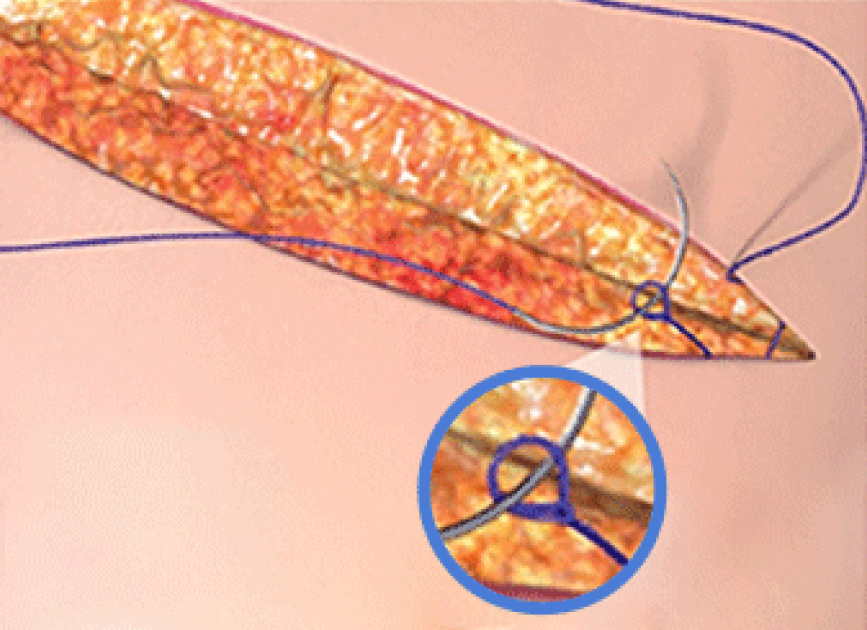
Table of Contents
- What Is Transaxillary Breast Augmentation?
- How the Endoscopic Technique Works
- How the Armpit Route Compares With Other Incisions
- Transaxillary Breast Augmentation Scar: Where It Sits and When It Shows
- Recovery Timeline After Transaxillary Breast Augmentation
- Who Is It For? Candidacy and Risks
- Frequently Asked Questions
What Is Transaxillary Breast Augmentation?
Transaxillary breast augmentation is a breast enlargement technique in which the surgeon places the breast implant through a small incision hidden in the armpit (axilla) rather than on the breast itself. Because the entry point sits in a natural fold of the underarm, the breast skin is left untouched, and the visible reminder of surgery is kept well away from the chest.
The word “transaxillary” simply means “through the armpit.” In practice, the surgeon makes a short incision in the underarm, then guides the implant upward into a pocket created behind the breast tissue or the chest muscle. The implant travels from the armpit to its final position, so the breast surface never carries a cut.
For many patients, that single detail is the whole appeal. A scar on the breast, even a faint one, can be a constant reminder of surgery and a worry in swimwear or intimate settings. Moving the entry point to the armpit addresses that concern directly, which is why scar-conscious patients often ask about this route by name. The technique is widely associated with Korean cosmetic surgery, where endoscopic methods have been refined over many years.

Why “Transaxillary” Means Through the Armpit
The axilla is the medical term for the armpit. A transaxillary approach uses this area as the doorway to the breast, taking advantage of the loose, naturally creased skin there.
According to Dr. Lee Sung-wook, director of MINE Plastic Surgery, the armpit incision used at the clinic is about 3 cm long and sits within a natural armpit fold. For comparison, the surgical textbook Plastic Surgery, Volume 5: Breast gives 2.5–3.5 cm as the usual length for saline implants and notes that pre-filled silicone implants generally need a longer opening, so the exact length depends on the implant type and size. Placing the entry point in this discreet location is the defining feature that separates the transaxillary route from incisions made on or near the breast.
How It Differs From Conventional Breast Augmentation
In many conventional procedures, the incision is made directly on the breast, either in the crease beneath it or around the lower edge of the areola. The transaxillary method moves that incision off the breast entirely. The armpit route itself is not new. According to the surgical literature, it was first described by Hoehler in 1973 and later popularized by Bostwick and others. In its original form, it was performed by blunt dissection, without a camera. MINE Plastic Surgery pairs the armpit approach with camera-assisted endoscopic dissection. For readers weighing every option, our complete guide to breast augmentation methods compares implants and fat transfer in more depth.
How the Endoscopic Technique Works
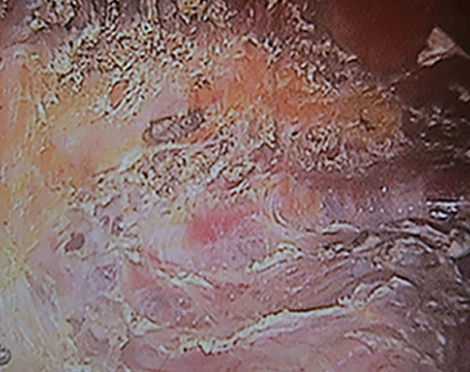
The transaxillary approach is sometimes called “scarless,” but that label is not accurate: although the approach leaves no scar on the breast itself, a small scar still forms in the armpit. What makes the modern version reliable is the endoscope: a slim camera that lets the surgeon see deep inside the body while working far from the small armpit incision. The endoscope magnifies the surgical field, allowing the implant pocket to be shaped under direct view through a single armpit incision.
Endoscopic Visualization & the Dual-Plane Pocket
Working far from the incision once meant operating partly by feel. Endoscopic visualization changes that, projecting a magnified, lit view of the tissue onto a monitor so the surgeon can dissect precisely. MINE performs this as part of its HD endoscopic breast augmentation protocol. A standard plastic surgery textbook (Plastic Surgery, Volume 5: Breast) now advises against the older blunt (non-endoscopic) transaxillary technique because of higher risks of hematoma, pocket irregularity, and unnecessary tissue injury. For more on what the endoscope can and cannot do, see our article on endoscopic breast augmentation benefits.
Many cases use a dual-plane technique, in which the implant sits partly under the pectoralis (chest) muscle and partly under the breast gland. In plain terms, the upper portion of the implant is cushioned by muscle for a softer, more natural slope, while the lower portion follows the gland to fill the breast shape. The endoscope makes it easier to release and position these layers accurately.
For the armpit route specifically, the point is distance: the muscle release and pocket shaping happen far from the incision, so watching each step on a monitor matters more here than with an incision on the breast.
Step by Step: How a Transaxillary Operation Proceeds
Every surgeon adapts the details, but standard surgical references describe the endoscopic transaxillary procedure in roughly this order:
- Marking with the patient sitting upright: the breast crease, the planned pocket, and a natural crease high in the armpit are marked before anesthesia.
- Armpit incision: a short incision is made in the marked armpit crease; it should not extend forward past the front fold of the armpit.
- Tunnel to the chest muscle: a tunnel is made just under the skin toward the outer edge of the chest muscle; keeping it shallow helps protect the nerve that supplies feeling to the inner upper arm.
- Endoscopic pocket creation: the endoscope is passed through the tunnel, and the pocket is created under direct view, with small vessels sealed as the surgeon goes.
- Sizer check: trial implants (sizers) are placed in the pocket, and the patient is brought upright on the table so the surgeon can check placement and symmetry. The pocket is then rinsed (irrigated) with an antibiotic solution before the final implant goes in.
- Layered closure: the deeper tissue is closed first, then the skin of the armpit incision.
The “Dry Pocket”, Fascia & Nerve Preservation
A “dry pocket” refers to meticulous cauterization of small blood vessels as the pocket is created, which aims to reduce bleeding during and after surgery. By keeping the pocket as bloodless as possible, the technique aims to lower the risk of hematoma (a collection of blood), though no method can eliminate that risk entirely.
During dissection, the surgeon also works to preserve the fascia (the connective tissue layer) and the sensory nerves around the pocket. Protecting these nerves is linked to maintaining nipple sensation after surgery, which is a meaningful concern for many patients. Because the endoscope shows these delicate structures clearly on screen, the surgeon can work around them with greater care than a blind approach would allow.
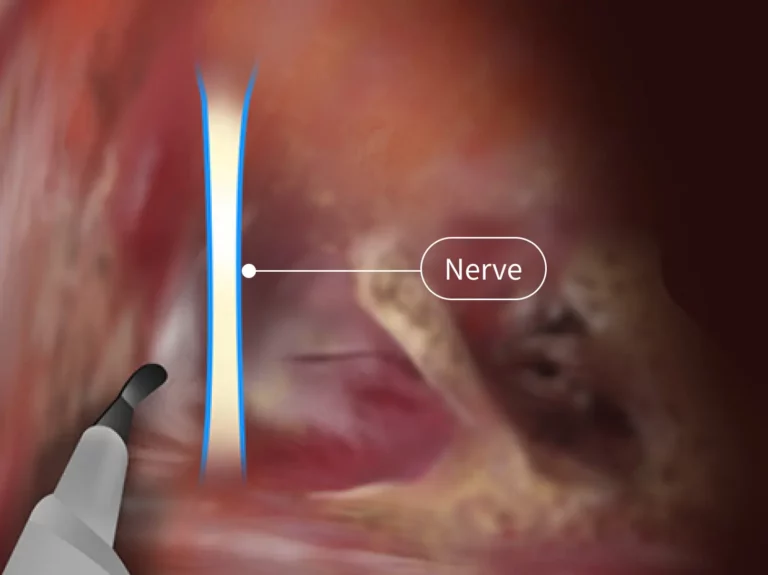
None of this removes risk altogether, and the language here matters: a careful technique aims to lower the chance of bleeding or sensory change, but it cannot promise to prevent them. Honest expectations are part of good surgical care, and the risks section below sets them out in full.
3D Scanning for Pre-Surgical Planning
Before the operation, a 3D breast scanner can be used to measure the chest, model breast shape, and plan implant sizing and symmetry. This pre-surgical mapping helps the surgical team and the patient align on a realistic, proportionate outcome before the procedure begins, rather than deciding sizing on the day of surgery.

How the Armpit Route Compares With Other Incisions
There is no single “right” incision for every patient. The three most common routes place the scar in different locations, and each carries its own trade-offs. The table below summarizes how they compare at a glance; for a fuller, incision-by-incision discussion, see our guide to choosing a breast augmentation incision location. This article stays focused on what the armpit route does differently.
Comparison Table: Incision Site, Visible Scar & Typical Considerations
| Incision approach | Where the scar is | Scar visibility | Typical considerations |
|---|---|---|---|
| Transaxillary (armpit) | In a natural fold of the armpit | None on the breast; may show in the armpit when the arm is raised | Suited to patients who want no scar on the breast; endoscopy helps with precise pocket creation. |
| Inframammary (breast crease) | In the fold under the breast | In the under-breast crease; usually hidden by the breast’s natural curve when standing | Widely used; gives the surgeon direct access to the pocket. |
| Peri-areolar (nipple edge) | Along the lower border of the areola | At the areola edge, can blend with the color change | May carry a potential impact on nipple sensation and breastfeeding; discussed case by case. |
Trade-offs Specific to the Armpit Route
The transaxillary route keeps the breast free of any scar, but it reaches the pocket from a distance, which is why endoscopic visualization matters. That distance also gives the surgeon less direct control over the lower part of the breast and the breast crease, and a later revision often needs a second incision. The armpit scar can also show when the arm is raised. The inframammary and peri-areolar routes largely avoid these drawbacks but leave a scar in the breast crease or at the edge of the areola.
It also helps to think beyond the scar itself. Surgeons weigh how easily each route allows accurate pocket creation, how it may affect future imaging or revision, and how it suits a patient’s body type. No single approach wins on every measure, which is exactly why the decision is made together rather than chosen from a list online.
The right choice depends on your anatomy, your priorities, and the goals you discuss in consultation. If you are also comparing implant-based options with natural-tissue methods, our overview of fat transfer vs implants can help frame that decision.
Transaxillary Breast Augmentation Scar: Where It Sits and When It Shows
Let us be clear: there is a scar. The transaxillary technique does not erase scarring; it relocates it. The scar forms in a natural crease of the armpit rather than on the breast, and the breast surface carries no incision because the implant is introduced via the armpit. Over the following months its appearance usually fades, but like any surgical scar it never disappears entirely.

Where the Scar Actually Forms
The incision is placed within an existing armpit fold so that, as the area heals, the line tends to settle into the crease and become less noticeable. Surgeons often close the deeper layers with dissolvable sutures, which support the wound from the inside and help keep the visible armpit scar fine.
After transaxillary breast augmentation, the scar usually sits out of sight in the crease when the arms are down. It can be visible when the arm is raised (for example, in a sleeveless top or swimsuit, or at the gym), especially in the first few months while it is still pink. For this reason, people whose underarms are often on show sometimes choose a different incision.
Scars follow their own timeline. They usually look reddest and most noticeable for about the first 3 months, start fading after about 6 months, and look much more natural by around 1 year.
Scar Care & Realistic Expectations
Good scar care is straightforward but important: keep the area clean, avoid sun exposure and tension on the healing skin, and follow your surgeon’s specific guidance on movement and dressings. How a scar matures varies from person to person, depending on skin type and individual healing, so two patients can have different results from the same technique.
It is worth repeating that “scarless” is a nickname for this method, not a literal promise. It describes the absence of a scar on the breast, not the absence of any scar at all.
Recovery Timeline After Transaxillary Breast Augmentation
Recovery after transaxillary breast augmentation follows a general arc, though the exact pace differs for each patient. Most patients return to light daily activities within about one week, while strenuous exercise is usually avoided for 4 to 6 weeks. The timeline below offers a typical guide, not a guarantee, and your surgeon’s clearance always takes priority. Factors such as age, activity level, and how your body heals can shift these windows in either direction.
At MINE, transaxillary breast augmentation takes about 2 hours under general anesthesia, and patients go home the same day. Arm movement typically feels uncomfortable for the first 2–3 days.
| Time after surgery | Arm & shoulder | Armpit incision & scar | Daily life |
|---|---|---|---|
| Day of surgery | Soreness in the arm and shoulder is expected | Dressed and kept clean as instructed | Same-day discharge at MINE |
| Days 1–3 | Arm movement may feel uncomfortable; overhead reaching is limited at first | Follow your surgeon’s wound-care instructions | Rest; your surgeon will tell you when to resume showering and driving |
| Days 3–7 | Gradually more comfortable | Early healing | Light daily activities from about day 3 or 4; light desk work after about 1 week |
| Weeks 2–6 | No heavy lifting until your surgeon clears you; strenuous arm and chest exercise avoided for 4–6 weeks | Scar is pink and most noticeable | Support bra or compression band as advised |
| 6 weeks to 1 year | Full exercise only after your surgeon’s clearance | Fades after about 6 months; much more natural by around 1 year | Implants settle into their final position over several months |
First Week: Swelling & Arm Movement
In the first few days, some soreness in the arm and shoulder is expected, precisely because the implant traveled through the armpit. Overhead arm motion is usually limited at first, and swelling around the chest and underarm is normal. Many patients resume light desk work after about a week, though this varies.
Weeks 2–6: Returning to Routine
Over the next several weeks, most people gradually return to everyday activities. Heavy lifting and dedicated chest or arm exercise are typically held off until your surgeon clears you, since the implant pocket and the armpit tissues are still settling during this window.
After 6 Weeks: Settling & Final Shape
Swelling continues to subside over the following months, and the implants gradually settle into a more natural position, a process patients often hear described as “drop and fluff.” The final shape generally emerges over several months. For a deeper look at the whole healing arc, see our breast augmentation recovery guide.
Who Is It For? Candidacy and Risks
The transaxillary approach tends to suit patients who specifically want no scar on the breast, have suitable chest and armpit anatomy, hold realistic expectations, and are in good general health and non-smoking. Final suitability, however, is always decided during an in-person consultation, where your surgeon can assess your tissue and goals directly.
Good Candidates for the Transaxillary Approach
Scar-conscious patients are often drawn to this method because nothing on the breast itself signals that surgery took place. That said, candidacy is not one-size-fits-all: skin elasticity, chest width, existing breast tissue, and the implant plan all factor in. International guidance from bodies such as ISAPS underscores that surgical planning should be individualized and led by a qualified, board-certified surgeon.
Lifestyle matters as well. Smoking can impair healing, and a history of certain breast conditions may shape which incision and implant plan are appropriate. A thorough consultation, ideally with imaging, gives the surgeon the information needed to recommend, or advise against, the transaxillary route for your individual case.
When Another Incision May Be a Better Fit
Transaxillary breast augmentation is not the right choice for everyone. Another incision, often in the breast crease, may be a better fit in these situations:
- Noticeable sagging, or a breast crease that needs lowering or reshaping: working from the armpit gives less direct control of the lower breast, and a high-riding implant is a known risk of this route.
- Revision surgery: if you already have implants and need a revision, it is often done through an incision in the breast crease, which lets the surgeon see and treat the old capsule directly.
- Large pre-filled silicone or anatomically shaped implants: these are harder to place through the armpit and need a longer incision.
- Frequent underarm exposure: people who often show their underarms, for work or sport, may prefer a scar that is not in the armpit.
- A tendency to thick, raised scars (hypertrophic scars or keloids): this should be discussed when choosing where the scar will be easiest to hide and treat.
Risks & Possible Complications (Must Read)
As with any breast implant surgery, transaxillary breast augmentation carries real risks that every patient should understand before deciding. Possible complications include:
- Bleeding or hematoma (a collection of blood in the pocket)
- Infection
- Capsular contracture (hardening of scar tissue around the implant)
- Implant malposition or rotation (the implant shifting from its intended position); textbooks note that an implant sitting too high is most often seen after transaxillary and peri-areolar augmentation, usually because the lower part of the pocket was not released enough
- Changes in nipple or skin sensation, including numbness of the inner upper arm (usually temporary), which can occur because the nerve supplying that area passes through the armpit
- The possibility of revision surgery
It is also important to know that breast implants are not lifetime devices and may need to be replaced or removed over time. In addition, because the transaxillary route reaches the pocket from the armpit, future revision surgery often cannot be done through the same small incision and may need a second incision, for example in the breast crease. The FDA breast implants information page is a useful authority on device safety, including capsular contracture and the fact that implants may not last a lifetime. For a focused read on complications, see our article on breast augmentation side effects.
Cost is not listed here because it depends on individual factors such as implant type and the specifics of your surgical plan. The most accurate way to understand pricing and suitability is a personalized consultation rather than a fixed online figure.
Frequently Asked Questions
What is transaxillary breast augmentation?
Transaxillary breast augmentation is a breast enlargement method in which the implant is inserted through a small incision hidden in the armpit, leaving no scar on the breast itself. It is commonly performed endoscopically, using a small camera so the surgeon can create the implant pocket precisely from a distance.
Is transaxillary breast augmentation really scarless?
Not literally. There is no scar on the breast itself, but a small scar still forms in a natural fold of the armpit, so calling the procedure “scarless” is inaccurate. With the arms down, the scar usually sits out of sight in the crease, but it can be visible when the arm is raised, especially in the first few months.
How long is recovery after transaxillary breast augmentation?
Many patients return to light activities within about a week, while strenuous arm and chest exercise is typically avoided for 4 to 6 weeks. Final implant settling can take several months. Timelines vary by individual, and your surgeon’s clearance should guide your return to activity.
How does the transaxillary approach compare to inframammary and peri-areolar incisions?
Each option places the scar in a different spot: transaxillary in the armpit, inframammary in the breast crease, and peri-areolar at the edge of the areola. The transaxillary route leaves the breast scar-free, while each approach carries its own trade-offs that are worth weighing carefully in consultation.
What are the risks of transaxillary breast augmentation?
As with any breast implant surgery, risks include bleeding, infection, capsular contracture, implant malposition or rotation, changes in nipple sensation, and the possible need for revision surgery. Breast implants are also not lifetime devices and may eventually require replacement.
Who is a good candidate for transaxillary breast augmentation in Korea?
Good candidates are generally healthy patients who want no scar on the breast, have suitable chest and armpit anatomy, and hold realistic expectations. Final candidacy is confirmed during an in-person consultation with a board-certified plastic surgeon.
Planning Your Consultation
If a scar-conscious approach appeals to you, the next step is information, not commitment. Learning how the technique fits your anatomy and goals is something a qualified surgeon can walk you through in person. You can explore MINE’s HD endoscopic breast augmentation program, learn about Motiva breast implants, or arrange a free consultation with a board-certified plastic surgeon to discuss whether the transaxillary method is right for you.
If you are traveling to Seoul, ask how MINE’s aftercare sessions, which include an ultrasound check and scar laser treatment, can be scheduled around your travel plans. For the trip home, arrange help with heavy luggage and overhead bins, because heavy lifting should wait until your surgeon clears you.
Medically reviewed by Dr. Lee Sung-wook, board-certified plastic surgeon and director of MINE Plastic Surgery in Gangnam, Seoul. Last reviewed: October 7, 2026.
※ This content is for informational purposes only and does not replace professional medical advice, diagnosis, or treatment. Individual results may vary, and side effects may occur. Please consult with a board-certified plastic surgeon for personalized advice.